Laser Marking Machine for Plastic Guide
 2022-12-07
WHAT ARE YOU LOOKING FOR?
Search Across Products, Blog Posts, Support Content, And Resources.

Laser Marking Machine for Plastic Guide
2022-12-07

A laser marking machine for plastic can create precise, permanent, and high-quality marks on plastic surfaces. Compared with traditional mechanical or chemical marking methods, laser marking offers better accuracy, cleaner details, and a more efficient workflow for many businesses.
Plastic laser marking is useful for product identification, branding, traceability, labels, packaging, electronics, medical devices, automotive parts, and consumer goods. This guide explains what laser marking on plastic is, why it is valuable, how the process works, and which laser marking machine types are commonly used for plastic materials.
Laser marking on plastic is a process that uses a focused laser beam to create durable marks on plastic surfaces. Depending on the plastic type and laser settings, the laser can change the surface color, create contrast, remove a surface layer, or form a permanent engraved mark.
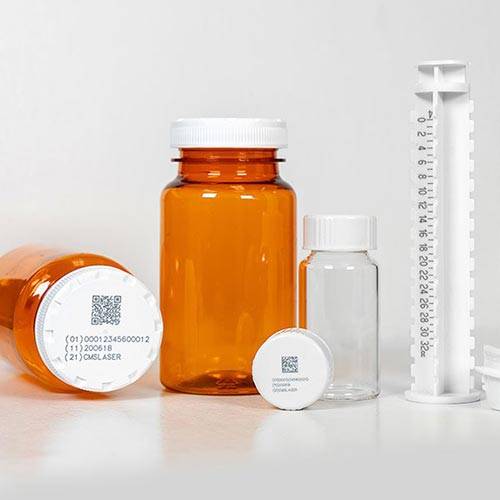
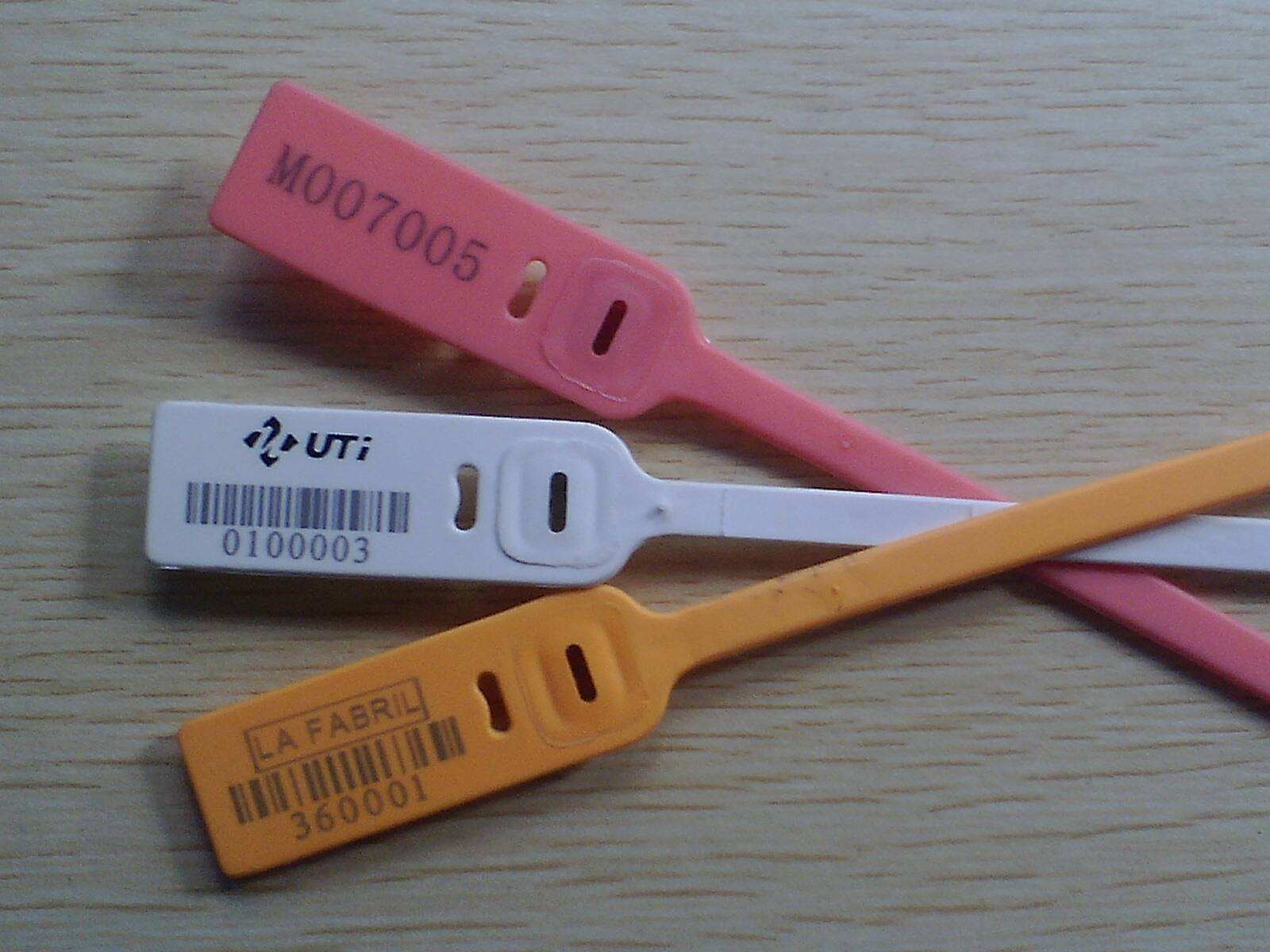
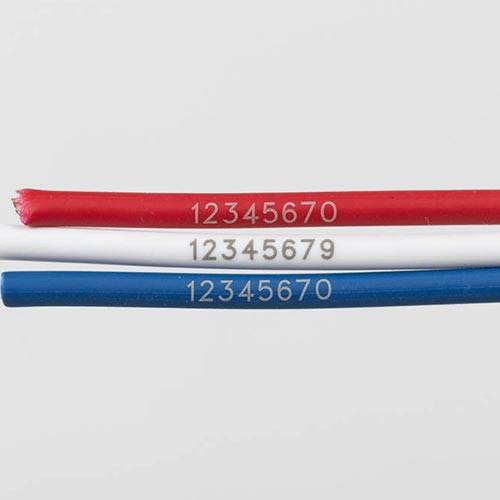
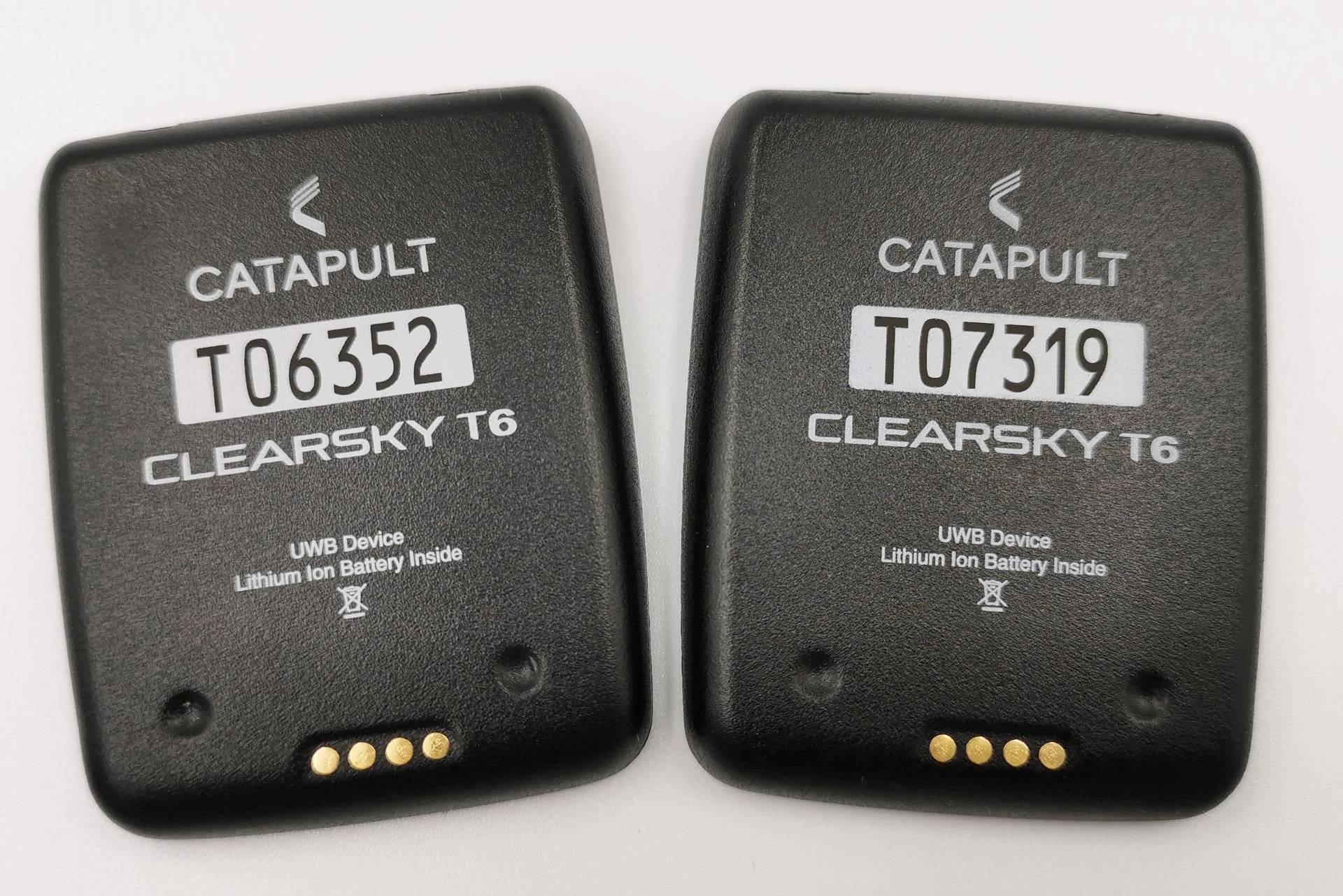
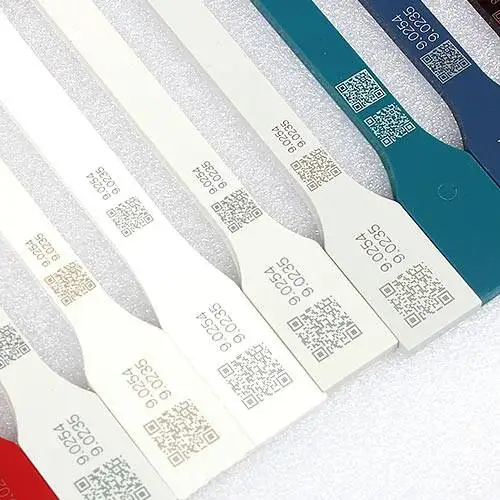
This technology allows manufacturers to add logos, text, serial numbers, barcodes, QR codes, identification labels, and decorative graphics to plastic products. It can reduce the need for traditional stamping, printing, or chemical etching methods that may damage the surface or require consumables.
A laser marking machine can be an important part of a plastic production or customization workflow. It helps users create precise marks while reducing manual work and improving consistency.
Laser marking machines can create clean, sharp, and repeatable marks on plastic materials. This makes it easier to add brand logos, symbols, identification codes, and small text with consistent accuracy.
Laser-marked designs are usually more resistant to fading, wearing, or rubbing off than many printed marks. This is useful for products that need long-term identification, traceability, or branding.
Compared with some traditional marking methods, laser marking can reduce the need for ink, labels, chemicals, or other consumables. It can also support high-volume marking with less manual labor, helping businesses save time and operating costs.
Laser marking offers precise control over the marking position, shape, and detail. This helps plastic manufacturers mark large batches of parts with less variation and fewer errors than many manual marking methods.
Plastic laser marking can create detailed text, logos, graphics, and decorative patterns. This makes it useful for both functional identification and visual customization.
A plastic laser marking machine uses a focused laser beam to mark a plastic surface with text, images, logos, codes, or other designs. The exact marking effect depends on the plastic material, laser type, wavelength, power, speed, and focusing settings.
The result is a permanent, accurate, and professional-looking mark. For manufacturers, laser marking can also help reduce waste and improve product traceability.
Different laser technologies can be used for plastic marking. The right choice depends on the plastic type, marking color, required contrast, production speed, and application requirements.
CO2 laser marking is a common method for marking many non-metal materials, including selected plastics. The laser beam is directed onto the plastic surface, creating a permanent mark or engraved design depending on material response and parameter settings.
CO2 laser marking on plastic can be useful for product packaging, labeling, industrial part identification, promotional merchandise, and custom plastic products.
Color laser marking on plastic can add visible color, contrast, logos, graphics, text, and barcodes to plastic products. It is useful for applications that need permanent identification, visual branding, or decorative effects.
Compared with some conventional methods, color laser marking can be faster, more precise, and more suitable for customized production. The final color effect depends on the plastic substrate, additives, laser type, and marking parameters.
Fiber laser marking machines are commonly used for high-precision marking applications. They can be suitable for selected plastics, thin materials, hard metals, and applications that require small spot sizes, strong beam quality, and high-resolution marking.
The suitability of fiber laser marking for plastic depends on the plastic type, additives, surface finish, and desired marking effect. Testing is recommended before production, especially when working with new plastic materials.
Laser marking machines for plastic can help businesses create permanent, precise, and professional marks on plastic products. From small-scale customization to industrial production, laser marking supports accuracy, durability, traceability, and branding.
CO2 laser marking, color laser marking, and fiber laser marking can all be useful depending on the plastic material and application. Before choosing a machine, compare your plastic type, desired marking effect, production volume, software workflow, support needs, and fume extraction requirements.
Need Help Choosing a Plastic Laser Marking Machine?
Contact Thunder Laser to compare laser marking and engraving solutions for plastic parts, labels, packaging, electronics, and custom products.
Contact UsTalk To Our Experts Now!
Please leave your contact information so that we can serve you better.
PLASTIC LASER MARKING MACHINE FAQS
FIND THE RIGHT LASER FOR YOUR NEXT PROJECT
Explore Thunder Laser solutions designed for different materials, workflows, and production needs.


 Stable & Consistent MachinesUnlimited ApplicationsRobust After-sales SupportFactory Direct Supply