Textile Laser Cutting Machine Guide: Why Choose Nova
 2023-05-20
WHAT ARE YOU LOOKING FOR?
Search Across Products, Blog Posts, Support Content, And Resources.

Textile Laser Cutting Machine Guide: Why Choose Nova
2023-05-20

Textile laser cutting machines have changed the way fabric and garment manufacturers cut, engrave, prototype, and finish textile products. By using a focused laser beam instead of a physical blade, a textile laser cutting machine can create clean, accurate cuts with minimal fraying on many fabric types.
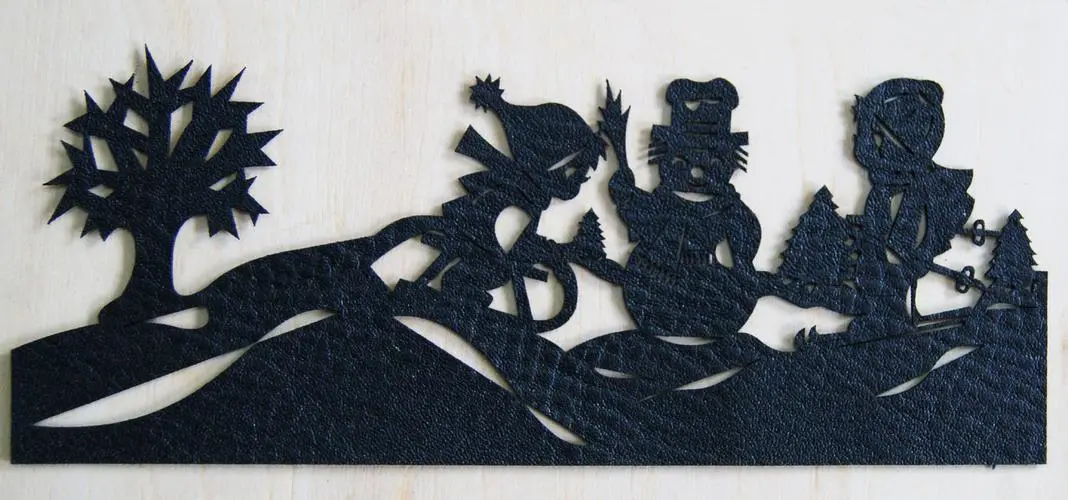
For garment production, this means faster processing, better repeatability, and less material waste. It also gives designers more freedom to create detailed patterns, decorative inlays, engraved textures, and customized textile products without relying only on traditional cutting tools.
This guide explains what a textile laser cutting machine is, where it is used, which materials are commonly processed, and how to choose a suitable machine. It also explains why the Nova Series is a practical option for many textile and garment applications.
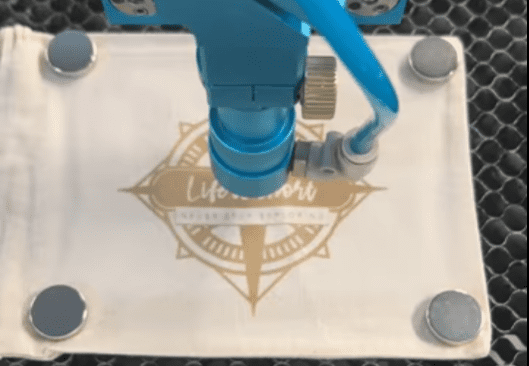
A textile laser cutting machine is a digital cutting device used to cut or engrave textiles, fabrics, and garment materials with a high-precision laser beam. The machine follows a digital design file and directs the laser along the programmed cutting path, creating accurate shapes without traditional knives or dies.
Its working principle is similar to other laser systems. A focused laser beam melts or vaporizes the material along the cutting line. The machine usually includes a laser source, motion control system, software, working table, exhaust system, and adjustable laser parameters for different fabric types and cutting results.
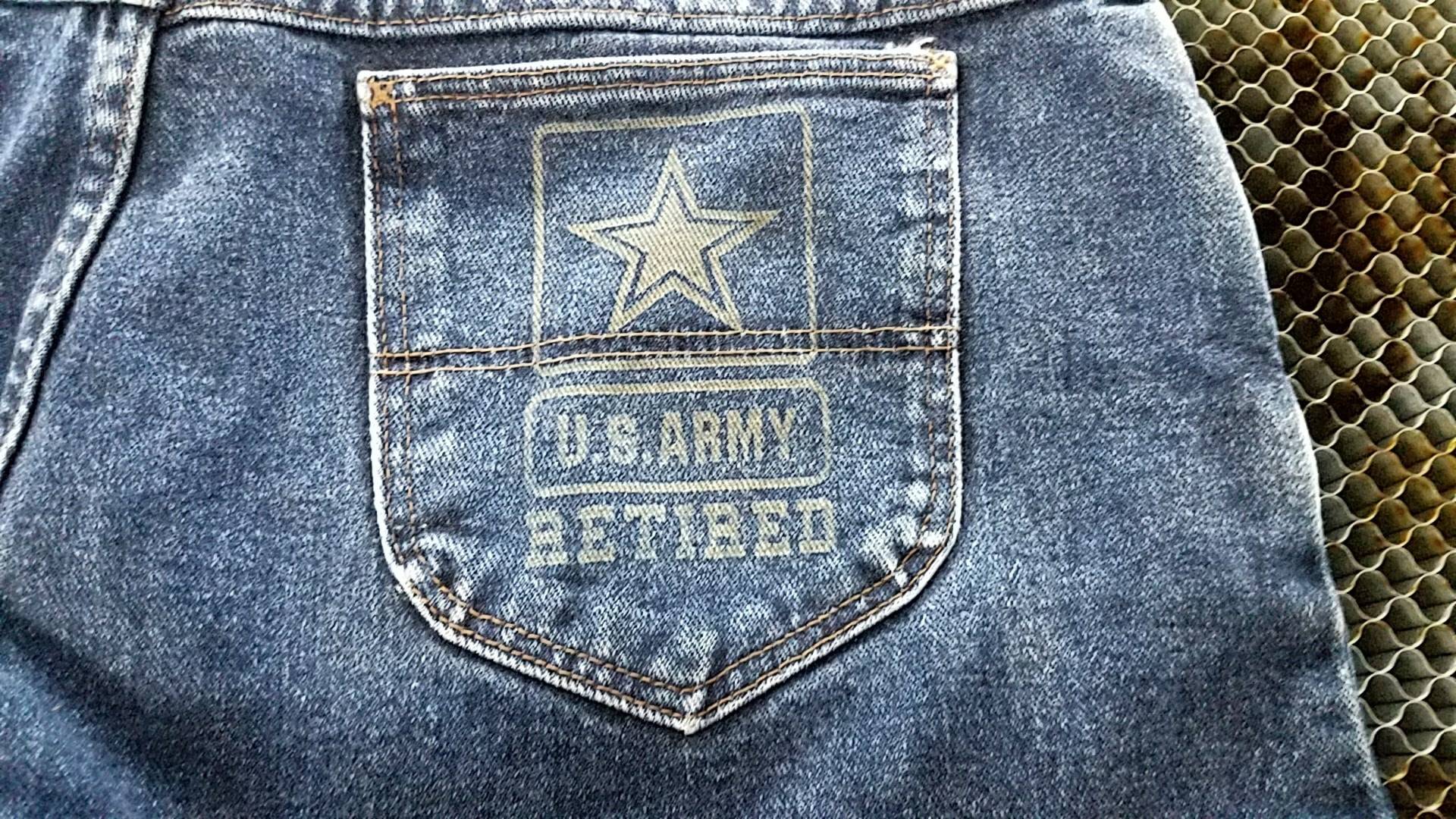
The main advantage is precision. A fabric laser cutting machine can cut detailed graphics, complex curves, and repeated patterns cleanly. It can also support textile engraving, logo marking, and decorative surface effects, making it useful for both production and creative design work.
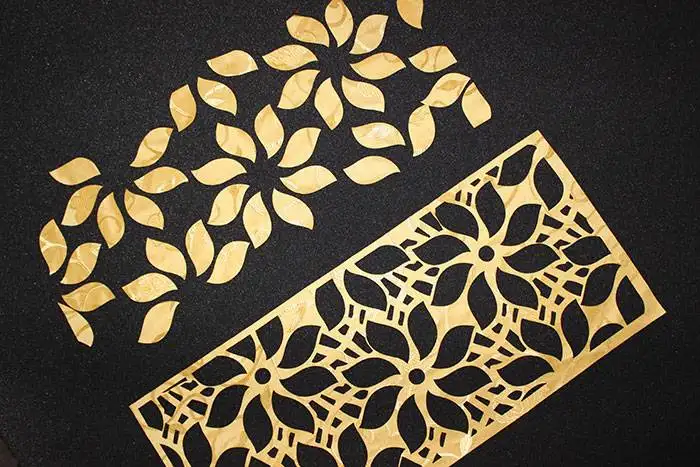
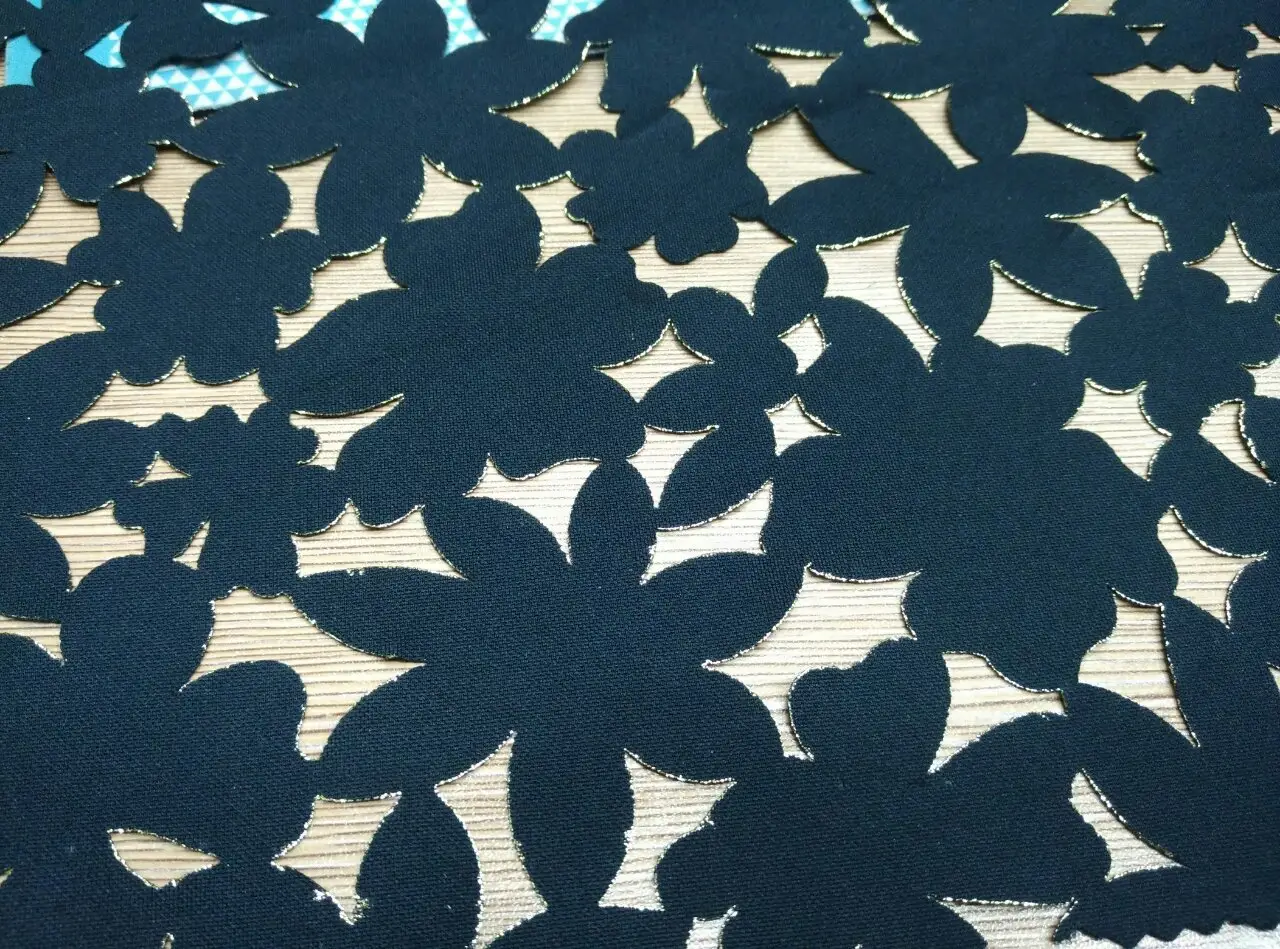
Laser cutting machines are widely used in textile and garment production because they combine digital flexibility with repeatable processing. Common applications include fabric cutting, decorative appliqué, garment pattern cutting, prototyping, and textile engraving.
Textile laser cutting machines can process many fabric and garment materials. The best result depends on the fabric composition, thickness, weave, heat sensitivity, and the selected laser settings. Common textile materials include:
The Nova Series is a practical choice for many textile cutting and engraving needs because it supports CO2 laser processing for a wide range of non-metallic materials, including many fabrics. It is suitable for users who need reliable cutting, repeatable production, and flexible working area options.
The source article notes that textile cutting power depends on fabric type, material thickness, and desired cutting speed. Lightweight fabrics such as silk or chiffon may require lower power to reduce the risk of burning, while medium-weight materials such as cotton or polyester may need more power. Thicker and denser materials such as denim or leather may require higher laser power.
Always treat power ranges as general guidance. The correct settings should be tested on scrap material first and adjusted according to the machine, fabric composition, thickness, airflow, and required edge quality.
The Nova Series includes multiple model sizes for different production needs. The source article mentions Nova 24, Nova 35, Nova 51, and Nova 63, giving users the flexibility to select a working area that matches their fabric size, project scale, and workshop requirements.
For businesses working with garments, textile samples, decorative patterns, or customized products, this range of working table sizes makes it easier to choose a setup that balances available space, project size, and processing efficiency.
A suitable textile laser cutting machine should match your materials, production scale, design workflow, and maintenance expectations. Before choosing a CO2 laser cutting machine for textiles, consider the following factors:
Good textile cutting results come from both the machine and the operator's process control. Before starting production, test the fabric, confirm the cutting path, and adjust power, speed, airflow, and focus according to the material response.
Need Help Choosing a Textile Laser Cutting Machine?
Thunder Laser can help you compare working area, laser power, and machine configuration based on your fabric materials and production goals.
Contact UsTalk To Our Experts Now!
Please leave your contact information so that we can serve you better.
TEXTILE LASER CUTTING MACHINE FAQS
Choose laser power based on fabric type, thickness, heat sensitivity, and desired speed. Always test on scrap material first before cutting the final product.
FIND THE RIGHT LASER FOR YOUR NEXT PROJECT
Explore Thunder Laser solutions designed for different materials, workflows, and production needs.


 Stable & Consistent MachinesUnlimited ApplicationsRobust After-sales SupportFactory Direct Supply