Laser Cutter Maintenance Guide for Better Performance
Proper laser cutter maintenance is necessary for keeping a laser machine stable, accurate, and productive. Regular care helps the machine run correctly, reduces the likelihood of breakdowns, and supports better cutting quality over time.
This laser cutter maintenance guide explains why maintenance matters and outlines the essential daily, weekly, monthly, and preventive tasks that help extend machine life, reduce downtime, and improve overall performance.
1. Why Should You Maintain Your Laser Cutting Machine?
Maintaining your laser cutting machine is important because it helps the device run more efficiently and safely. The following are some of the most common reasons to maintain your laser cutter regularly.
Reduced downtime: Regular checks can identify and fix small issues before they cause production interruptions.
Lower repair costs: Preventing major failures can help reduce expensive repair work.
Consistent results: A well-maintained laser cutting machine is more likely to deliver stable and repeatable cutting quality.
Lubrication
2. Laser Cutter Maintenance Tasks
Laser cutter maintenance does not mean checking every component every day. Instead, maintenance tasks can be organized into daily, weekly, monthly, and preventive routines. This makes machine care more practical and easier to manage.
2.1 Pre-Operational or Daily Laser Cutter Maintenance Tasks
Daily maintenance helps ensure the laser cutting machine is safe and ready to use before operation. Before starting your laser cutter each day, complete the following checks.
Check the Beam Path
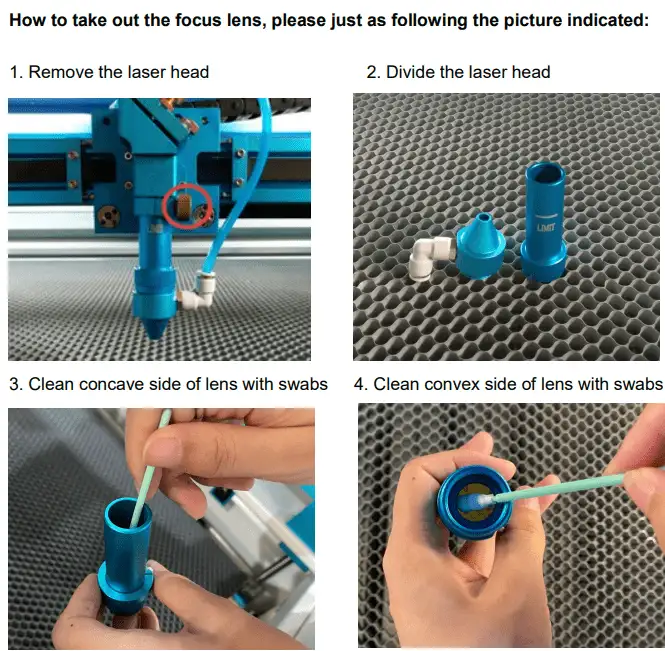
Inspect damage or wear: Check for loose bolts, screws, and electrical connections. Make sure safety enclosures are in place and secure, and confirm that the lens is clean.
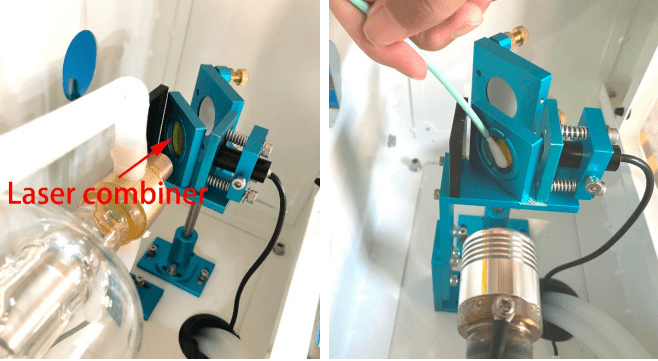
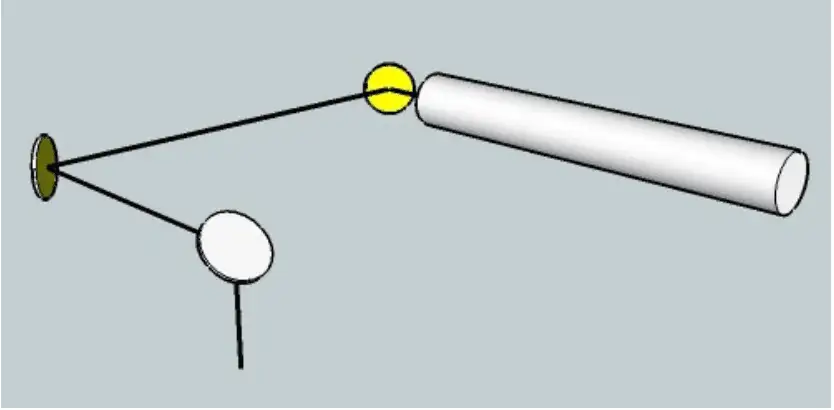
Check laser beam alignment and focus: After cleaning and inspection, check alignment and focus. A misaligned laser beam may cause inaccurate cutting results.
Check machine control settings: Confirm that control parameters such as laser power, cutting speed, and focus position are set correctly.
Inspect coolant levels: Check the pump, hoses, and cooling water system to make sure the system is working correctly.
Daily pre-operational maintenance helps keep the laser cutting machine in good condition. It also reduces the chance of unexpected downtime and supports better long-term durability.
2.2 Weekly Laser Cutter Maintenance Tasks
Weekly maintenance helps maintain performance and identify potential problems before they affect production. The following tasks are useful for weekly laser cutter care.
Inspect the laser lens and mirrors: Lenses and mirrors can become dirty or damaged over time. Use proper laser cleaning tools and make sure the optics are free of dust, debris, and other contaminants.
Check laser output: Laser output may change over time. Make sure the machine is operating at a suitable power level for the material and job.
Clean the air filter: A dirty air filter may reduce cooling efficiency and cause overheating. Cleaning it helps maintain machine performance and durability.
Check machine logs and error codes: Review recent machine logs and error records to identify repeated issues and solve them before they become serious.
2.3 Monthly Laser Cutter Maintenance Tasks
Monthly maintenance supports long-term performance and helps operators identify problems that may not appear during daily checks. The following monthly tasks are especially important.
Change Cooling Systems
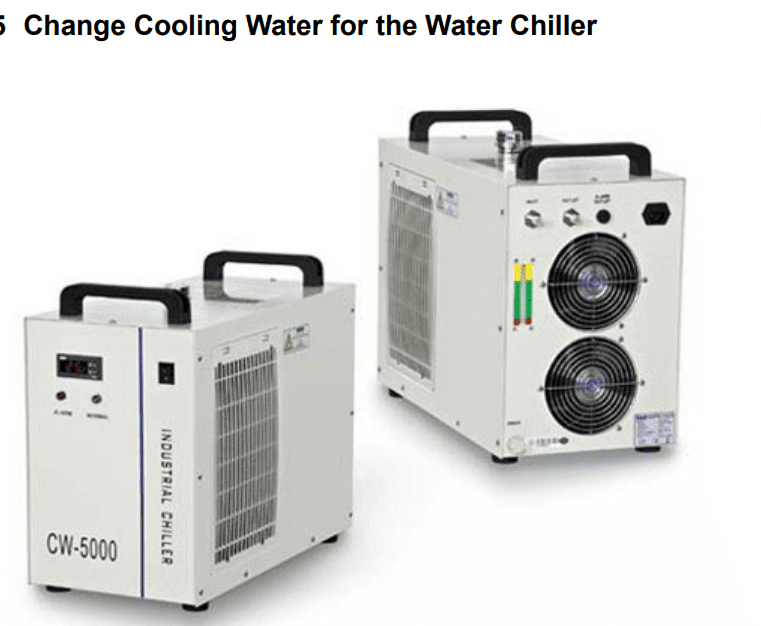
Inspect the chiller and water system: The chiller cools the laser, and the water system carries coolant to the laser. Check for leaks, coolant levels, and pump operation. You can also review this chiller maintenance guide for additional support.
Check the exhaust system: The exhaust system removes fumes and smoke. Check for blockages and confirm that the ventilation fan is operating properly.
Inspect electrical connections: Make sure electrical connections are tight and secure. Pay special attention to the power supply and control panels.
2.4 Preventive Laser Cutter Maintenance
Preventive maintenance means scheduling regular checks to identify and address potential issues before unexpected failures occur. In simple terms, it means fixing small problems before they turn into major breakdowns.
Schedule regular check-ups: A qualified technician can inspect laser output, the cooling system, the exhaust system, and electrical connections.
Identify potential issues: Monitor unusual sounds, vibration, error messages, or changes in cutting performance. Early action can prevent unexpected failures.
Schedule maintenance downtime: Plan maintenance time so the machine can be checked without disrupting production unexpectedly.
Keep detailed maintenance records: Record maintenance dates, repair details, and replaced parts. This helps track machine history and identify repeated issues.
3. Conclusion
By following essential laser cutter maintenance tasks, you can support consistent performance, improve machine longevity, and create a cleaner and safer workspace. Regular maintenance helps minimize downtime, boost productivity, and keep the machine delivering precise cuts.
For best results, use proper tools and accessories during maintenance and follow the manufacturer’s maintenance guidance. If you need additional help, Thunder Laser’s support team can provide guidance for machine care, troubleshooting, and maintenance planning.
Need Help with Laser Cutter Maintenance?
Contact Thunder Laser for guidance on laser machine maintenance, cleaning, troubleshooting, and long-term machine care.
Daily checks should be done before operation, while deeper cleaning and inspection can be organized weekly, monthly, and through scheduled preventive maintenance.
Q2: Why is cleaning the laser lens and mirrors important?
Clean lenses and mirrors help maintain proper laser focus and beam intensity. Dirty optics can reduce cutting quality and may affect machine performance.
Q3: What should I check before using a laser cutting machine each day?
Before operation, check for loose parts, inspect the lens, confirm beam alignment and focus, review control settings, and make sure the cooling system is working correctly.
Q4: How can maintenance reduce laser cutter downtime?
Regular maintenance helps identify small problems before they become major failures. This reduces unexpected breakdowns and keeps production more stable.
Q5: What records should I keep for laser cutter maintenance
Keep records of maintenance dates, cleaning tasks, error codes, repairs, replaced parts, and technician inspections. These records help track machine history and identify recurring issues.
FIND THE RIGHT LASER FOR YOUR NEXT PROJECT
Explore Thunder Laser solutions designed for different materials, workflows, and production needs.
We use cookies to understand how our audience uses our site.
THUNDER LASER websites use cookies to deliver and improve the website experience, See our cookie policy for further details on how we use cookies and how to change your cookie settings Cookie policy.


 2023-01-10


 Stable & Consistent Machines