


Exploring the Environmental Benefits of Laser Technology
 2025-02-27
WHAT ARE YOU LOOKING FOR?
Search Across Products, Blog Posts, Support Content, And Resources.

Exploring the Environmental Benefits of Laser Technology
2025-02-27

Laser technology has rapidly gained widespread application in industries since its inception in the 1960s. In recent years, with the growing awareness of environmental protection and the need for green transformation in manufacturing, the environmental advantages of laser technology have become increasingly evident.
Particularly in fields such as laser engraving, cutting, and marking, its high efficiency, energy-saving, and low pollution characteristics make it an ideal alternative to traditional processing methods.
Laser cutting technology offers numerous environmental benefits, including high energy efficiency, reduced material waste, and low pollution emissions, making it a crucial tool for achieving green manufacturing and sustainable development across various industries.
Laser cutting equipment converts most of the electrical energy into laser beams, achieving light-to-heat conversion efficiency often exceeding 90%. Compared to traditional mechanical and plasma cutting, laser technology is far more energy-efficient, significantly reducing energy consumption.
Due to the high precision of laser cutting, material utilization is maximized. Laser technology allows for the precise cutting of complex shapes and fine details, reducing the generation of excess materials and waste during the cutting process. For example, when cutting complex shapes with a laser cutter, almost no corner waste is produced.
Laser cutting produces far fewer gases and dust particles compared to traditional cutting methods. Many laser cutting machines are equipped with highly efficient exhaust and purification systems, which help reduce environmental pollution and comply with increasingly stringent environmental regulations.
Laser cutting machines generate relatively low noise, especially during processing, as they do not produce the mechanical friction or impact noises common in traditional methods. This is beneficial to both operators and the surrounding environment. Compared to traditional mechanical and plasma cutting, laser technology has a significant advantage in noise control.
Laser technology enhances material efficiency, reduces waste during production, and supports the recycling and reprocessing of waste, aligning with the principles of a circular economy. Many companies using laser cutting have optimized their designs and processes to promote resource reuse and extend product lifecycles.
With the rising awareness of environmental issues, industries are increasingly seeking more efficient and energy-saving production methods. Traditional manufacturing methods such as mechanical cutting and plasma cutting, while widely used, often fall short in terms of energy efficiency and environmental impact. Laser cutting technology, with its high precision, good energy efficiency, and minimal waste, has gradually become a more popular and eco-friendly alternative.
| Feature | Laser Technology | Traditional Manufacturing |
|---|---|---|
| Material Waste | High precision reduces material waste, efficient nesting of parts, minimizing scrap. | Generates more waste, especially with large material sheets. |
| Consumables | No need for lubricants, coolants, or other consumables; only gases and occasional lens replacements. | Requires lubricants, coolants, and other consumables, which need proper disposal. |
| Energy Consumption | More energy-efficient for small batch production, minimal setup time. | Requires more energy for tool changes, setup, and operation, especially for custom parts. |
| Carbon Footprint | Lower overall carbon footprint due to reduced material waste and energy consumption. | Typically has a higher carbon footprint due to energy-intensive processes and resource use. |
| Recycling and Reusability | Easier recycling of materials, minimal contamination, reduces reliance on new raw materials. | Recycling is more challenging, as materials may be contaminated with oils or other residues. |
| Toxic Emissions | Very little harmful emissions, effective fume extraction systems reduce harmful particles. | Mechanical processes may release harmful dust or fumes, requiring additional filtration systems. |
| Tool Life | No physical cutting tools involved, reducing tool wear and environmental impact from tool manufacturing. | Tools wear out quickly and need frequent replacement, leading to more waste and resource consumption. |
Laser technology promotes innovation in product design and reduces resource consumption during production in the consumer goods industry. Due to the high precision of laser cutting, material waste during production is minimized. For example, when producing fashion accessories and household items, laser cutting ensures high quality while maximizing material utilization, helping the consumer goods industry transition to environmentally friendly and sustainable practices.
Laser cutting can precisely cut and etch packaging materials, reducing unnecessary waste. By optimizing design, companies can effectively reduce the volume and weight of packaging, which lowers transportation and storage costs.
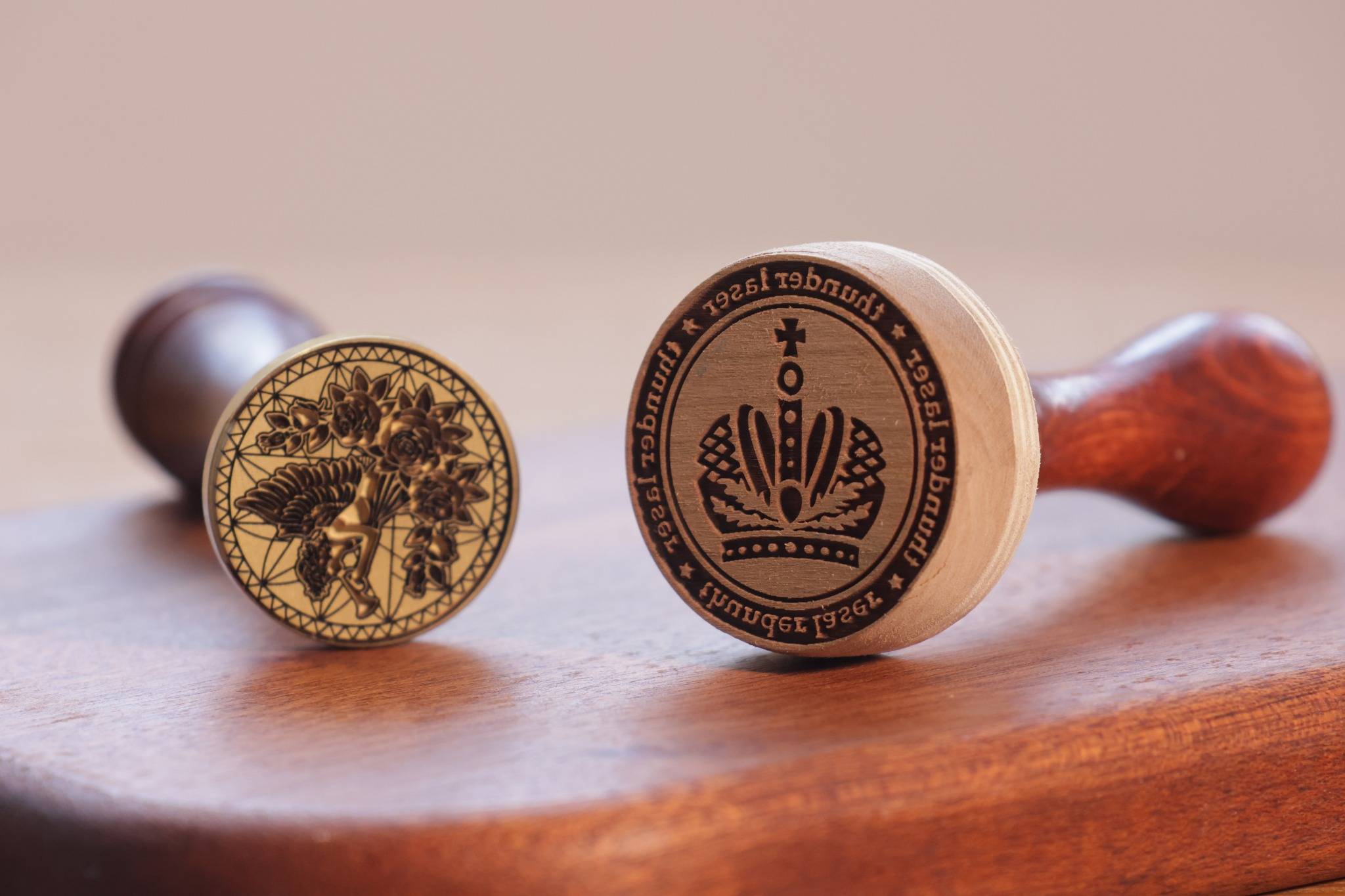
In electronics manufacturing, laser technology is widely used for precision cutting and marking. Laser cutting minimizes material waste in the production of electronic components, particularly in miniaturized designs, where high precision ensures more detailed processing with less waste.
Laser marking provides permanent identification, avoiding the waste caused by traditional labels that peel off. It is widely used in marking precision components in electronics, significantly improving product traceability and lifespan.
Laser technology helps electronics manufacturers reduce the use of harmful chemicals and toxic gas emissions during production, complying with increasingly strict environmental regulations such as RoHS standards.
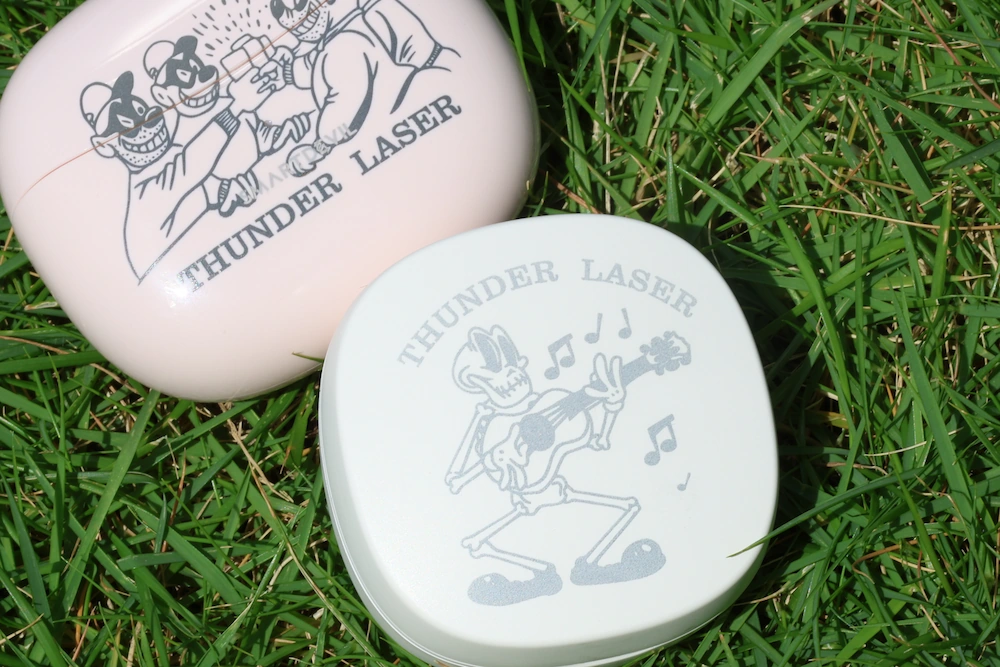
Laser cutting is widely used in the advertising and design sectors for creating signs, display stands, and decorative items. Laser technology can efficiently and accurately cut materials such as wood, acrylic, and metal, reducing waste and enhancing the uniqueness and creativity of designs.
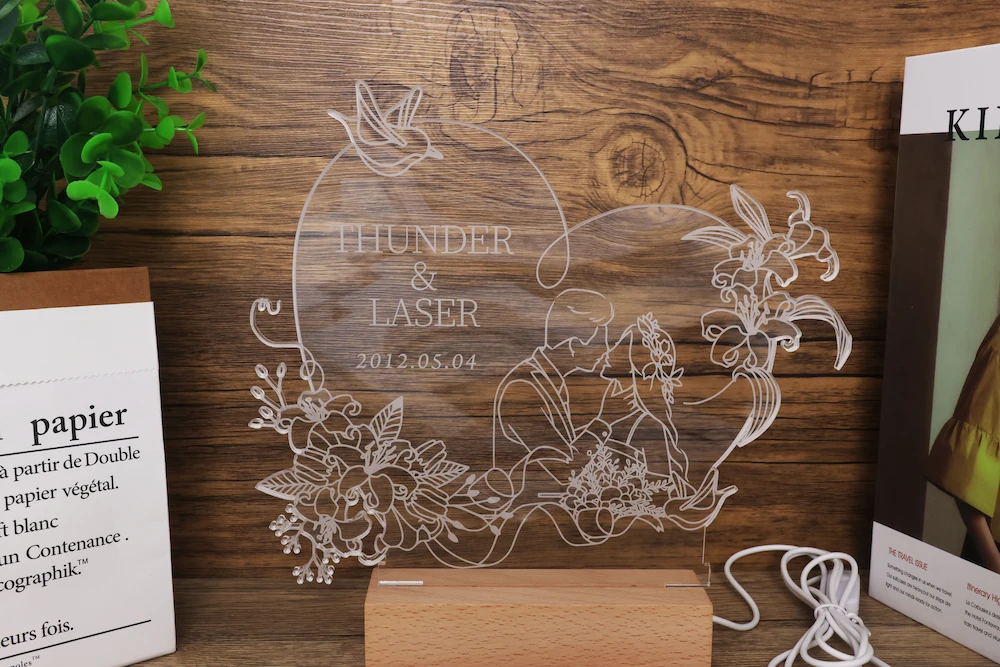
In crafts and hobbies, laser technology offers unprecedented precision and freedom for creators. Whether making woodworking art, jewelry, or personalized gifts, laser cutting allows creators to use materials efficiently, minimizing waste and supporting environmentally friendly small-scale production.
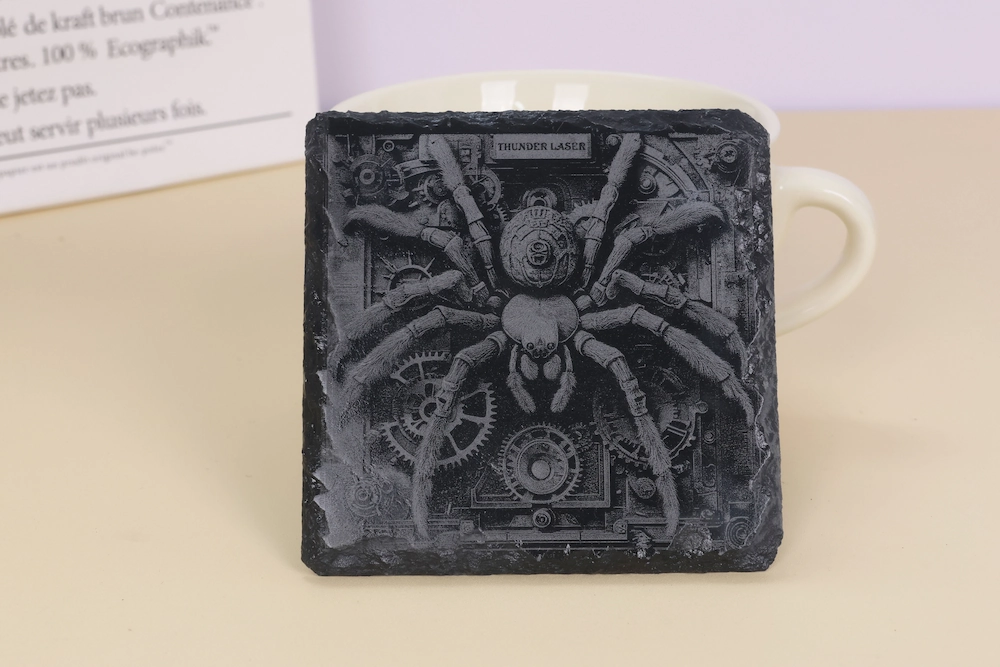
In industrial manufacturing, laser cutting is widely used for material cutting, machinery manufacturing, and other fields. Due to its efficiency and precision, laser technology reduces waste, improves production efficiency, and supports the industrial sector's shift towards green production.
Laser cutting technology plays a positive role in waste recycling and material reuse. For example, many industrial products can be reprocessed using recycled materials, promoting resource circulation and reducing energy consumption in the production process.
Laser cutting technology offers significant advantages in energy saving, waste reduction, and driving sustainable manufacturing, providing higher efficiency and more eco-friendly solutions across industries.
As technology continues to advance, the environmental potential of laser cutting technology will be further explored. With smarter and more efficient laser equipment, laser technology will drive green manufacturing in even more sectors, contributing to global sustainable development goals.
In the future, laser technology will not only serve as a tool for improving production efficiency but also as a practitioner of environmental protection and social responsibility. With it's reducing resource consumption and promoting recycling and reuse, laser technology will ultimately drive the sustainable transformation of the entire manufacturing industry.
Talk To Our Experts Now!
Please leave your contact information so that we can serve you better.
FIND THE RIGHT LASER FOR YOUR NEXT PROJECT
Explore Thunder Laser solutions designed for different materials, workflows, and production needs.


 Stable & Consistent MachinesUnlimited ApplicationsRobust After-sales SupportFactory Direct Supply


