Best Materials for CO2 Laser Cutting and Engraving
 2022-09-26
WHAT ARE YOU LOOKING FOR?
Search Across Products, Blog Posts, Support Content, And Resources.

Best Materials for CO2 Laser Cutting and Engraving
2022-09-26

CO2 laser cutting machines have become a go-to solution for precision processing of non-metal materials. With high-speed, contactless cutting and engraving, they are widely used in woodworking, signage, leather crafting, packaging, and many other industries. But which materials are truly suitable for laser processing?
In this guide, we will explore common laser-compatible materials and explain how each one responds to CO2 laser cutting and engraving.
CO2 laser cutters are highly versatile and can process a wide range of non-metal materials with precision and speed. However, not all materials behave the same under a laser beam. Some materials are ideal for both cutting and engraving, while others are better suited to only one process.
The table below compares common materials by cut quality, engraving detail, typical thickness range, ease of processing, and safety considerations.
| Material | Laser Cut Quality | Engraving Detail | Typical Thickness Range | Ease of Processing | Safety Notes |
|---|---|---|---|---|---|
| Wood | ★★★★☆ | ★★★★★ | 1–20 mm | Easy | Minimal smoke with air assist |
| Acrylic (PMMA) | ★★★★★ | ★★★★☆ | 1–15 mm | Easy | Use cast acrylic for best engraving |
| Leather | ★★★★☆ | ★★★★★ | 0.5–3 mm | Moderate | Use fume extraction to manage odor |
| Rubber | ★★★★☆ | ★★★★☆ | 1–5 mm | Moderate | Use laser-safe rubber for clean results |
| Paper/Cardboard | ★★★★★ | ★★★★☆ | < 5 mm | Very Easy | High flammability—use low power settings |
| Fabric/Textiles | ★★★★☆ | ★★★★☆ | < 5 mm | Easy | Use low-pressure air assist |
| Cork | ★★★☆☆ | ★★★★☆ | < 10 mm | Easy | May char at high power |
| Plastic (Selected Types) | ★★★☆☆ | ★★★★☆ | 1–6 mm | Varies | Avoid PVC and ABS |
| Glass (Engraving Only) | N/A | ★★★★☆ | Engraving only | Moderate | Cannot be cut—engrave with caution |
Learn more: Laser Settings for Different Materials
Selecting the correct material is not only about compatibility with your CO2 laser. It is also about matching the material with your project’s performance, finish, and safety requirements.
Key considerations include:
Watch the material selection video: CO2 laser material guide
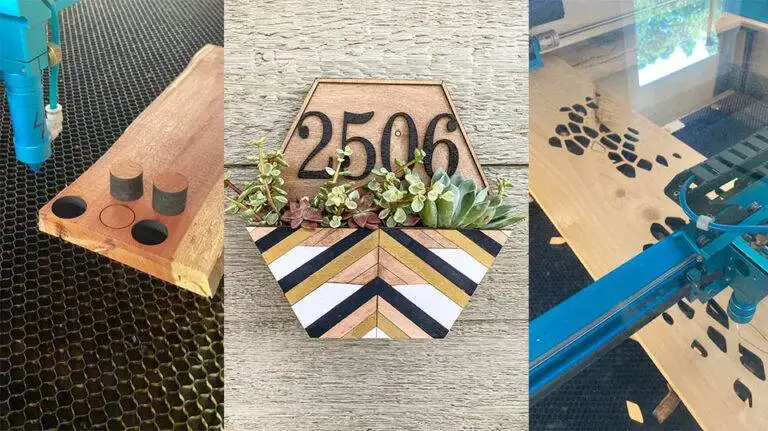
Wood is one of the most popular materials for laser users because it is versatile, widely available, and capable of producing attractive results in both cutting and engraving.
Traditional saw blades can cut wood quickly, but they often create dust, noise, and rough edges. Laser cutting uses focused heat to slice through wood, leaving clean, sealed edges without the same level of mess. This is especially useful in indoor workshops or small studios where cleanliness and air quality matter.
Laser cutting also makes complex and intricate designs much easier to produce. Whether you are creating jigsaw puzzles, layered wall art, architectural models, or wooden boxes with tight-fitting joints, laser cutting helps achieve sharp lines and repeatable results.
The maximum cutting thickness depends on laser power. For example, a 130W laser can cut wood up to around 20 mm thick. However, thicker wood usually requires slower cutting speeds, which can increase the risk of scorching. To reduce charring, users may choose a larger focal lens, use multiple passes, and apply air assist to blow away debris.
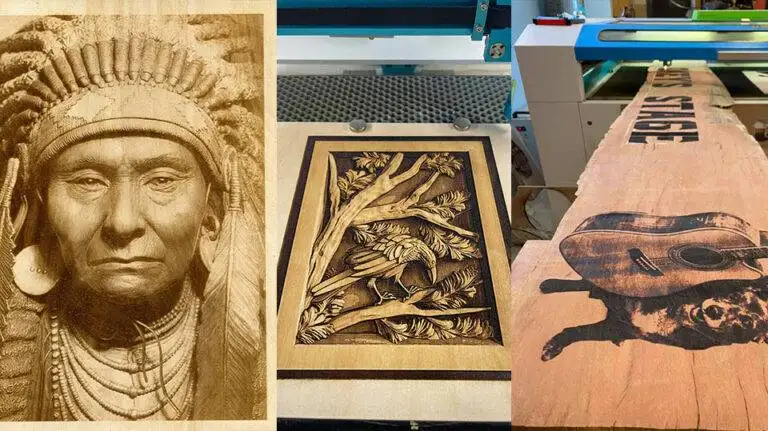
Laser engraving adds value to wood by burning detailed patterns, logos, or personalized text directly onto the surface. The process rapidly heats the wood, creating controlled carbonization and vaporization for visible contrast and texture.
Different wood species produce different engraving effects. Hardwoods such as maple and oak usually create cleaner lines and finer detail, while softer woods such as pine may show more burn marks. Fine-tuning speed, power, and resolution is important for achieving the best results.
Explore more wooden laser projects in the Thunder Laser Sample Library.
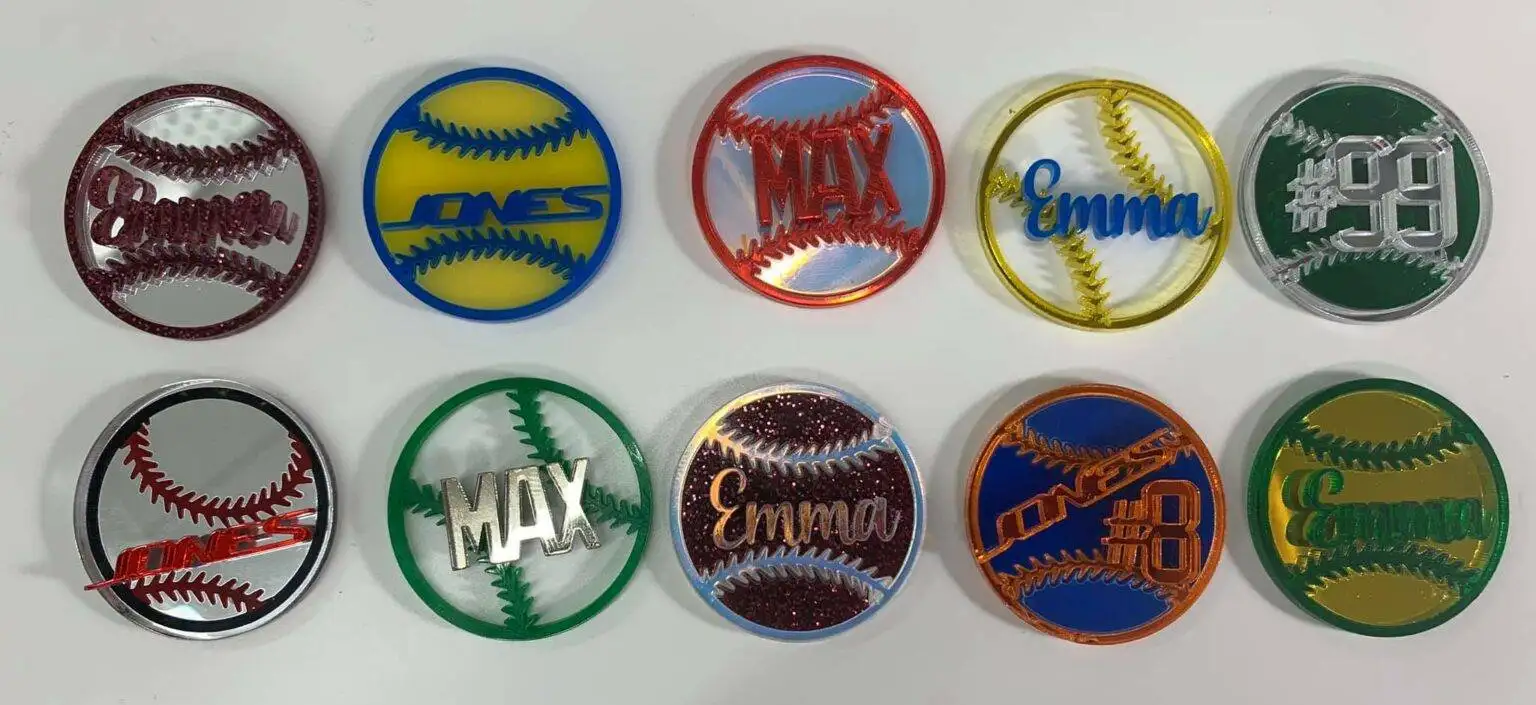
Acrylic is another popular material for laser processing. It is widely used for signage, display stands, awards, and craft products.
When cut with a laser, cast acrylic can produce a smooth, flame-polished edge directly from the machine, reducing the need for sanding or polishing. The laser melts the edge as it cuts, creating a clean, glossy finish. Extruded acrylic can also be cut with lasers, though it may not produce the same smooth edge quality.
Acrylic is also ideal for engraving. Depending on whether the acrylic is cast or extruded, the engraving depth and frosted appearance may vary. Cast acrylic is best for deep, white-frosted engravings, while extruded acrylic usually creates a clearer and more subtle etch.
Laser cutting acrylic is fast, precise, and repeatable. From small keychain charms to large advertising boards, digital laser files help maintain consistency across production.
Learn more: Laser Engraving on Acrylic: The Art of Transparency
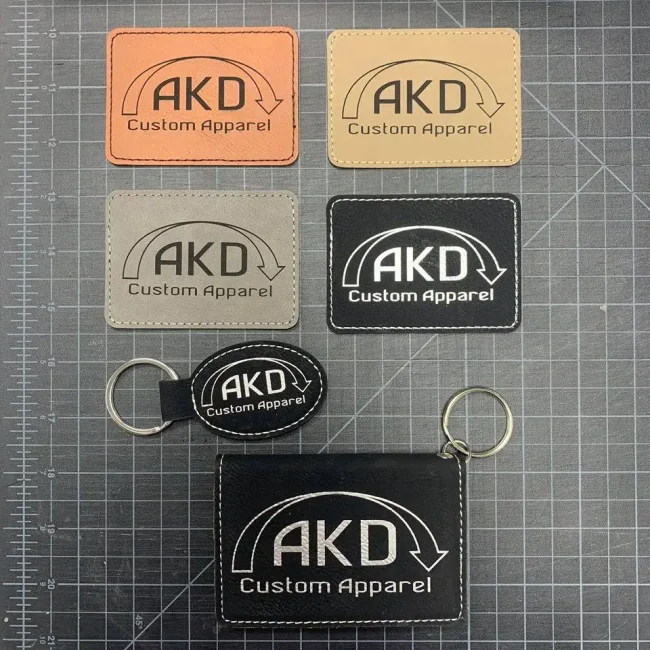
Leather can be challenging for traditional cutting tools because of its thickness, flexibility, and tendency to fray. Laser cutting helps overcome these challenges with a clean, contactless process.
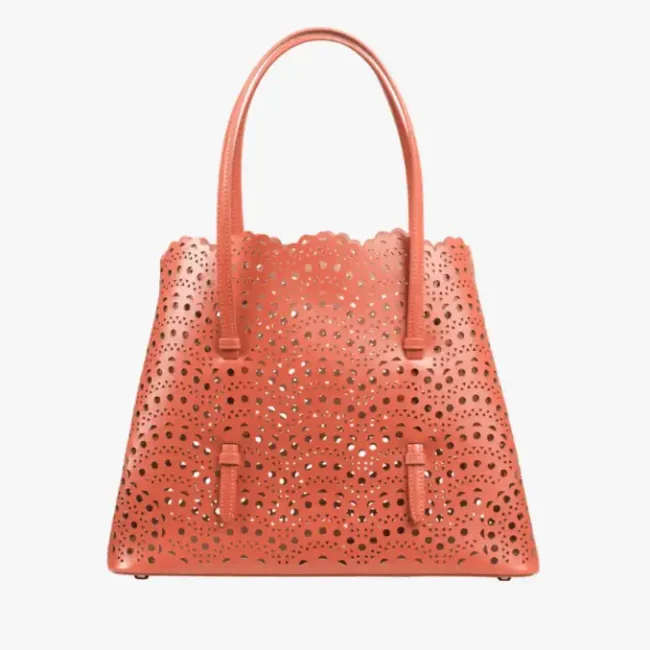
A laser concentrates heat enough to cut through leather cleanly without fraying or excessive scorching. Unlike blades, the laser does not drag or pull the material, helping preserve the leather’s shape and surface quality. Laser cutting also supports detailed decorative patterns for wallets, belts, bags, and custom fashion items.
CO2 lasers can also engrave leather surfaces to create logos, names, textures, and even photo-like images. In most cases, the engraving slightly darkens the leather, creating strong contrast while preserving its tactile feel.
Low power settings are important when engraving or cutting thin leather, as they help reduce the risk of burning through or warping the material. A proper exhaust or fume extraction system is also recommended because leather can produce a noticeable odor during processing.
Although paper and cardboard are delicate, they are well suited to laser cutting and engraving because the laser beam is precise and applies minimal pressure to the material.
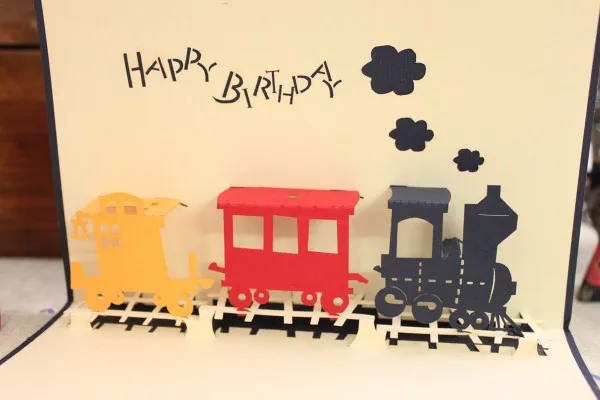
Traditional die-cutting and mechanical methods can crease or tear paper and may limit design complexity. With laser cutting, even very thin paper can be cut into intricate lace-like patterns without physical contact. This makes it suitable for wedding invitations, greeting cards, packaging prototypes, and paper models.
Cardboard, especially corrugated cardboard, can also be cut cleanly when power settings are adjusted properly. It is commonly used for architectural models, display packaging, and product prototypes. Laser engraving on paper can also create textured images or embossed-like effects without ink.
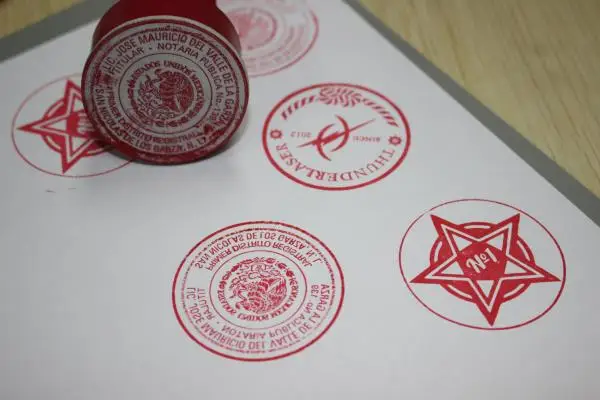
Rubber used to be difficult to process for detailed engraving, especially when creating customized stamps with intricate logos or fine text. Laser engraving makes the process quick, clean, and cost-effective.
Laser engraving machines can vaporize rubber to a controlled depth, allowing users to create personalized stamps in minutes. Whether the design includes a company logo, return address, or artistic pattern, laser engraving can deliver a high level of detail compared with many traditional methods. For best results, the rubber should be laser-safe and low-odor.
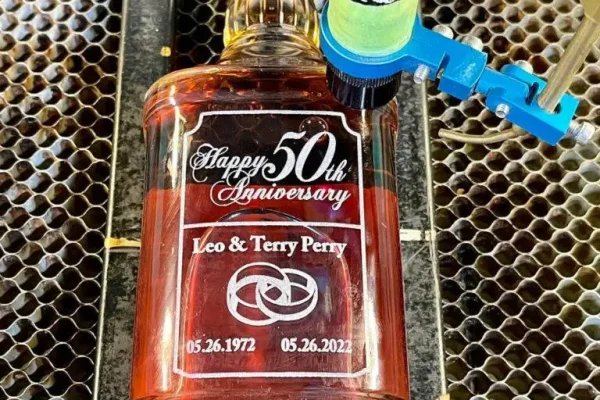
CO2 lasers cannot cut glass because of its brittleness and poor absorption of 10.6 μm wavelengths, but they can engrave glass beautifully.
Laser engraving on glass is a contact-free process that leaves no scratches from physical tools. Instead of cutting through the material, the laser creates tiny fractures on the surface, producing a frosted effect. This makes it suitable for customizing drinkware, trophies, mirrors, and decorative windows.
For better results, users often apply masking tape or wet paper towels to the glass surface to reduce heat stress and improve engraving consistency.
Learn more: Can You Laser Engrave Glass?
Choosing the right material is essential for getting the best results from a CO2 laser cutter. From wood and acrylic to leather and rubber, laser-compatible materials offer a wide range of creative and production possibilities, each with its own processing considerations.
Need help determining whether your material is laser-safe? Contact the Thunder Laser team for personalized advice and machine recommendations. You can also explore more inspiration in the Thunder Laser Official Facebook Group.
Find the Right CO2 Laser for Your Materials
Talk with Thunder Laser to choose a machine and workflow that match your materials, applications, and production goals.
Contact UsTalk To Our Experts Now!
Please leave your contact information so that we can serve you better.
CO2 LASER CUTTING AND ENGRAVING
MATERIALS FAQS
FIND THE RIGHT LASER FOR YOUR NEXT PROJECT
Explore Thunder Laser solutions designed for different materials, workflows, and production needs.


 Stable & Consistent MachinesUnlimited ApplicationsRobust After-sales SupportFactory Direct Supply