Art and Design with Laser Cutters in CTE
 2024-12-02
WHAT ARE YOU LOOKING FOR?
Search Across Products, Blog Posts, Support Content, And Resources.

Art and Design with Laser Cutters in CTE
2024-12-02

Art and design careers are no longer limited to painting or sculpture. Today, they span digital design, fashion, industrial design, environmental design, product creation, and many other fields where creativity and technology work together to transform industries.
As the demand grows for professionals with both artistic vision and technical expertise, art and design education is also evolving. For Career and Technical Education (CTE) programs, laser cutters provide a practical way to help students explore visual storytelling, creative problem solving, design production, and real-world career pathways.
As businesses increasingly recognize the role of design in brand identity, customer experience, and innovation, the need for well-trained art and design professionals continues to rise. From technology companies looking for UX/UI designers to fashion houses searching for new creative direction, art and design careers are now important across many sectors.
This demand creates opportunities for aspiring creatives, especially when they have an educational background that combines creativity, practical skills, and modern production tools.
A formal education in art and design is not only about improving artistic skill. It also helps students develop problem-solving ability, technical proficiency, and a stronger understanding of cultural and market trends.
Education in this field equips students with industry knowledge and practical methods that help them adapt to real-world challenges. Employers often value candidates with relevant training because it shows commitment, a broad skill set, and the ability to work with different design tools and principles.
Art and design include many career options for different interests. Graphic design focuses on visual communication and is a strong fit for students interested in typography, layout, and brand messaging. Fashion design allows creative students to work with textiles, style, trends, and personal expression.
Other pathways, such as industrial design and interior design, combine function with aesthetics. By exploring these options, students can identify their strengths and build a career direction that matches their talents.
Students looking for specialized fields may be drawn to animation, game design, or environmental design. These fields combine creativity with technology in meaningful ways. Animation blends artistry with storytelling, while environmental design applies creative skills to spatial planning, sustainability, and cohesive environments.
Each niche offers a chance to apply creativity in a focused way and can open the door to innovative career paths.
Natural talent is valuable, but specialized training helps students refine their skills and stand out in a competitive job market. Art and design programs provide structured learning, mentorship, and opportunities to practice in a guided environment.
This comprehensive approach helps students develop a personal style while meeting professional standards, making them stronger candidates when entering the workforce.
Modern art and design programs emphasize both creative and technical skills. Students may learn digital illustration, 3D modeling, typography, design software, and project critique processes that mirror professional environments.
When programs also include tools such as laser cutters, students can connect digital design with physical production and graduate with experience that better reflects industry expectations.
To be effective in art and design careers, students need experience with industry-standard tools. Whether they are working with design software or hardware such as laser cutters, familiarity with professional tools is a valuable advantage.
These tools support precision and efficiency while helping students build portfolios that show readiness for higher-level creative and technical work.
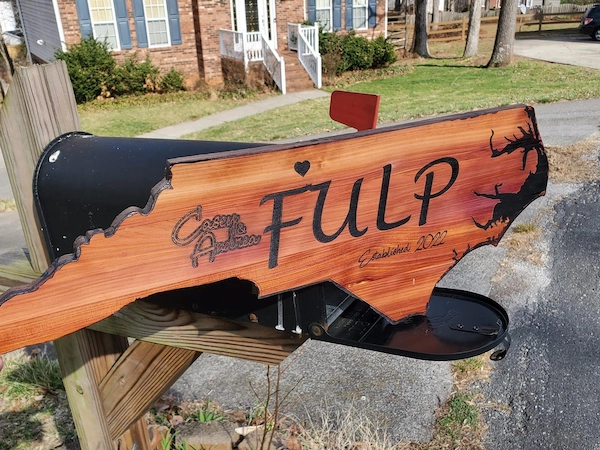
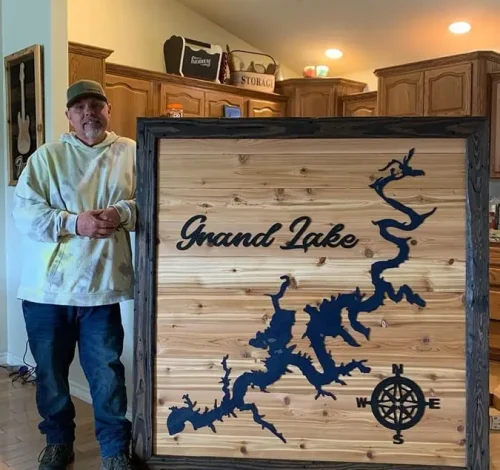
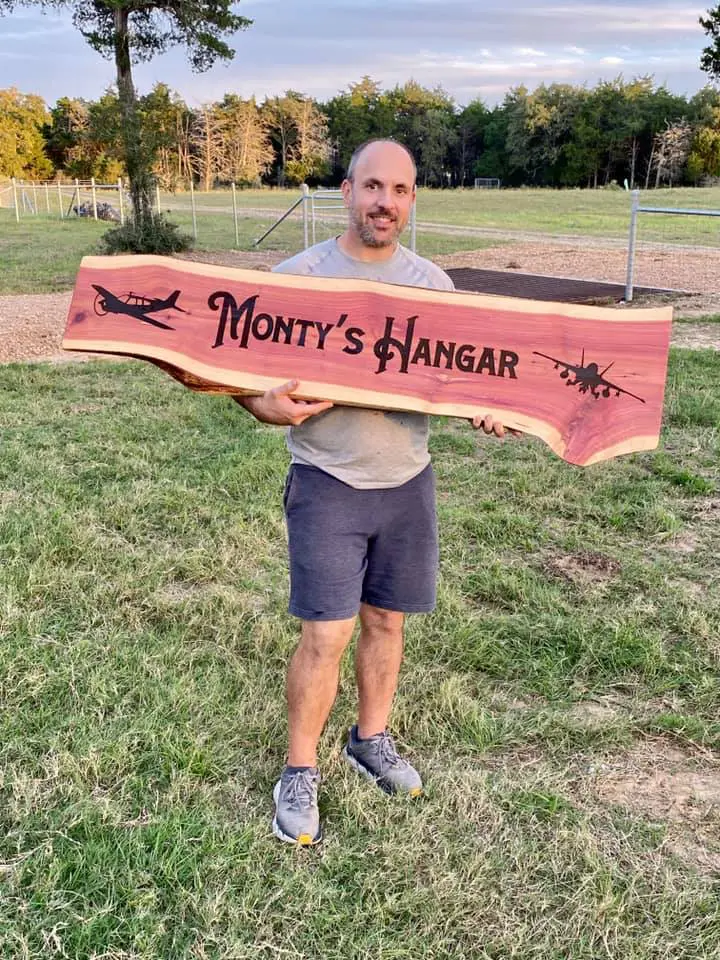
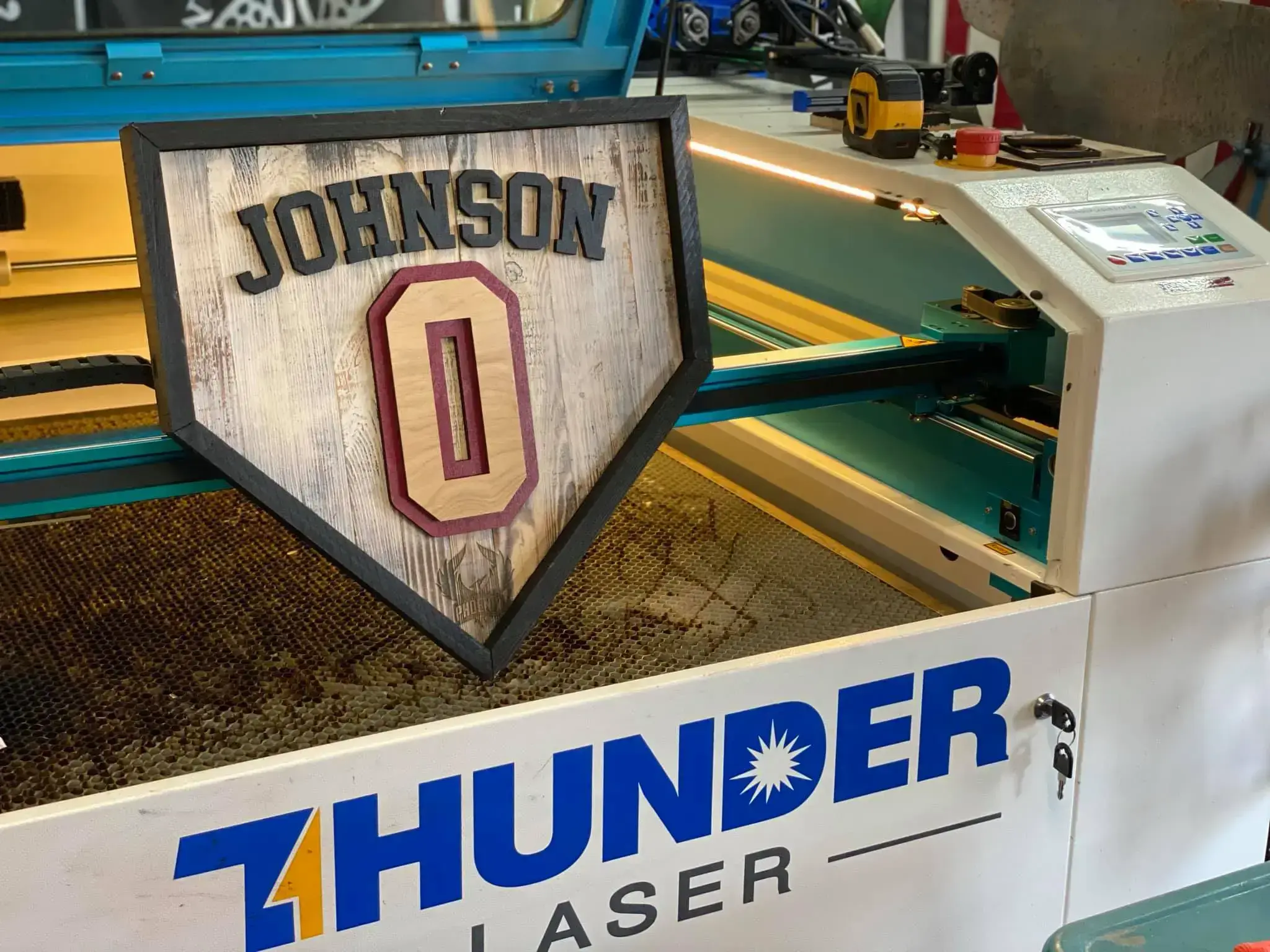
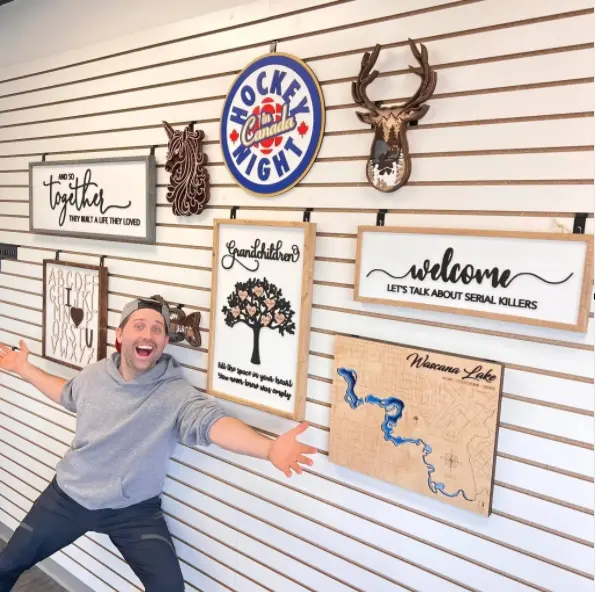
Thunder Laser machines provide precision and versatility, making them useful tools for art and design learning. Laser cutters can create intricate designs on different materials, supporting projects in jewelry, fashion, customized goods, product design, signage, décor, and more.
With the right training, students can execute creative ideas with accuracy and add a technology-driven dimension to their design work.
Thunder Laser machines support a wide range of art and design projects. Students can cut and engrave materials such as wood, acrylic, and textiles to bring their ideas to life. From jewelry pieces to customized décor and apparel, these projects help students explore new techniques and create impressive portfolio pieces.
Choosing the right program is an important decision. Students should look for strong curricula, experienced faculty, practical facilities, industry partnerships, internship opportunities, and alumni success stories.
These factors can shape the learning experience and influence future career opportunities, especially in fields where creative and technical skills must work together.
Degree programs and certificate courses can both provide valuable education, but they differ in scope and duration. Degree programs usually provide broader training across many aspects of art and design, while certificates are often more focused and shorter.
The best choice depends on the student’s career goals, whether they need in-depth knowledge or a specific skill set to advance quickly.
Technical skills are the foundation of a successful art and design career. Mastery of design software, color theory, composition, typography, and production workflows helps students translate concepts into effective visual work.
Hands-on experience with Thunder Laser machines can strengthen technical ability. By experimenting with materials, files, settings, and production methods, students can develop a more distinctive and refined skill set.
Beyond technical ability, soft skills such as communication, adaptability, teamwork, and critical thinking are essential. Design roles often require collaboration, so students should learn how to explain ideas clearly, receive feedback, and solve project challenges professionally.
A portfolio is a professional showcase and one of the most important tools for entering the art and design field. A strong portfolio reflects skills, versatility, creative thinking, and artistic style, helping students attract employers, schools, or clients.
To build a strong portfolio, students should focus on quality over quantity. They should include a mix of projects that show different skills and styles, with each piece demonstrating creative thinking and technical ability. Regular updates keep the portfolio aligned with current trends and personal growth.
Including work created with Thunder Laser can give a portfolio a stronger technical edge. Laser-cut and engraved projects show familiarity with advanced tools, diverse materials, precision production, and hands-on creative problem solving.
Networking can begin while students are still in school. Professors, classmates, visiting speakers, group projects, and school events can all help students build relationships that may lead to future opportunities.
Mentorship can provide valuable guidance from someone with real industry experience. Workshops, conferences, local design meetups, and online communities can also help students expand their network and stay informed about industry trends.
Internships provide hands-on experience and expose students to the day-to-day realities of the art and design industry. They also help students apply classroom learning in real scenarios, making them more confident and prepared for their careers.
Students with experience using Thunder Laser technology can bring valuable skills to internships in fields that use laser cutting and engraving. This expertise can help them contribute more effectively and stand out from other candidates.
Students should look for internships that align with their career goals. They can reach out to companies directly, tailor resumes and portfolios to each opportunity, and highlight specialized experience with tools such as Thunder Laser.
In a constantly changing industry, staying updated on trends and tools is important. Students can read design publications, follow influential designers, and take online courses to keep their skills current and innovative.
Thunder Laser continues to introduce features and advancements that help designers create complex, precise work. Keeping up with these innovations can support stronger skills and help students keep their work fresh and competitive.
Learning does not end at graduation. Workshops, certifications, experimentation, and continuous practice can help designers adapt to industry changes and keep their creativity active.
Students can expand their knowledge with resources tailored to art and design, from foundational books to online courses that focus on specific techniques. Websites such as Behance and Dribbble can provide inspiration and practical examples.
Thunder Laser offers educational materials, lesson plans, and training to support students and educators. These resources can help learners explore laser technology and better understand its use in real-world design projects.
Online design communities can offer feedback, support, and opportunities to collaborate with other creatives. Platforms such as Reddit and LinkedIn include active groups dedicated to art and design discussions.
Students should highlight education, skills, projects, internships, and relevant experiences on their resumes. In a cover letter, they can express passion for the industry and explain how their creative and technical skills make them valuable candidates.
Experience with Thunder Laser machines can be a strong advantage in roles that require precision work, such as product design, custom artwork, prototyping, or fabrication-based creative projects.
Students can prepare for interviews by researching the company, practicing answers, and discussing their portfolio clearly. Highlighting technical skills, including laser cutting experience, can help demonstrate readiness and enthusiasm.
A career in art and design offers many ways to innovate and make an impact. With the right education, hands-on experience, and commitment to continuous learning, students can build the skills they need to succeed in this creative field.
Thunder Laser can be a valuable partner in this journey by offering tools, training, and resources that help students and educators bring creative ideas to life with precision and confidence.
Support Creative CTE Learning with Laser Technology
Explore Thunder Laser machines and education resources for art, design, maker, and technical classroom projects.
Contact UsTalk To Our Experts Now!
Please leave your contact information so that we can serve you better.
FIND THE RIGHT LASER FOR YOUR NEXT PROJECT
Explore Thunder Laser solutions designed for different materials, workflows, and production needs.


 Stable & Consistent MachinesUnlimited ApplicationsRobust After-sales SupportFactory Direct Supply