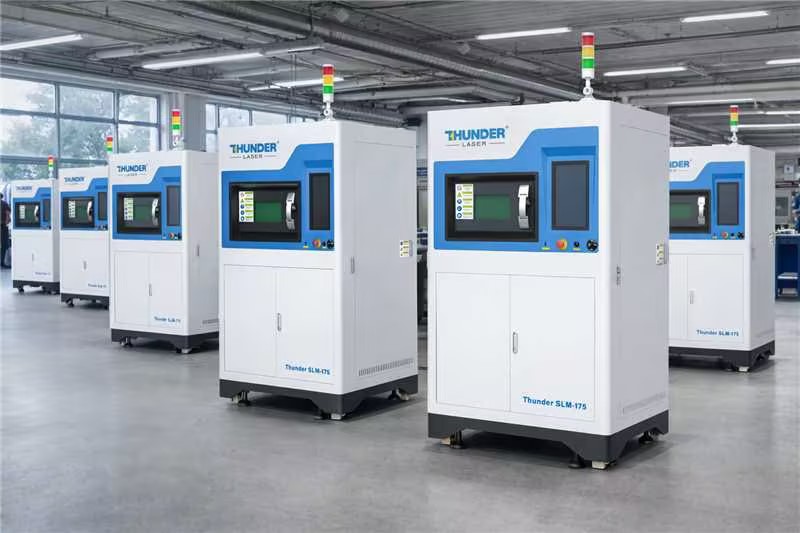
The Thunder SLM-175 is an entry-level yet industrial-grade metal 3D printer, designed to make additive manufacturing more accessible than ever. With its compact footprint, reliable performance, and affordable investment, it brings professional metal printing within reach for startups, research labs, and small to mid-sized enterprises.
Delivering both precision and efficiency, the Thunder SLM-175 is the ideal solution for those looking to explore metal additive manufacturing without compromising on industrial quality.
Here's what makes
Thunder SLM-175 different
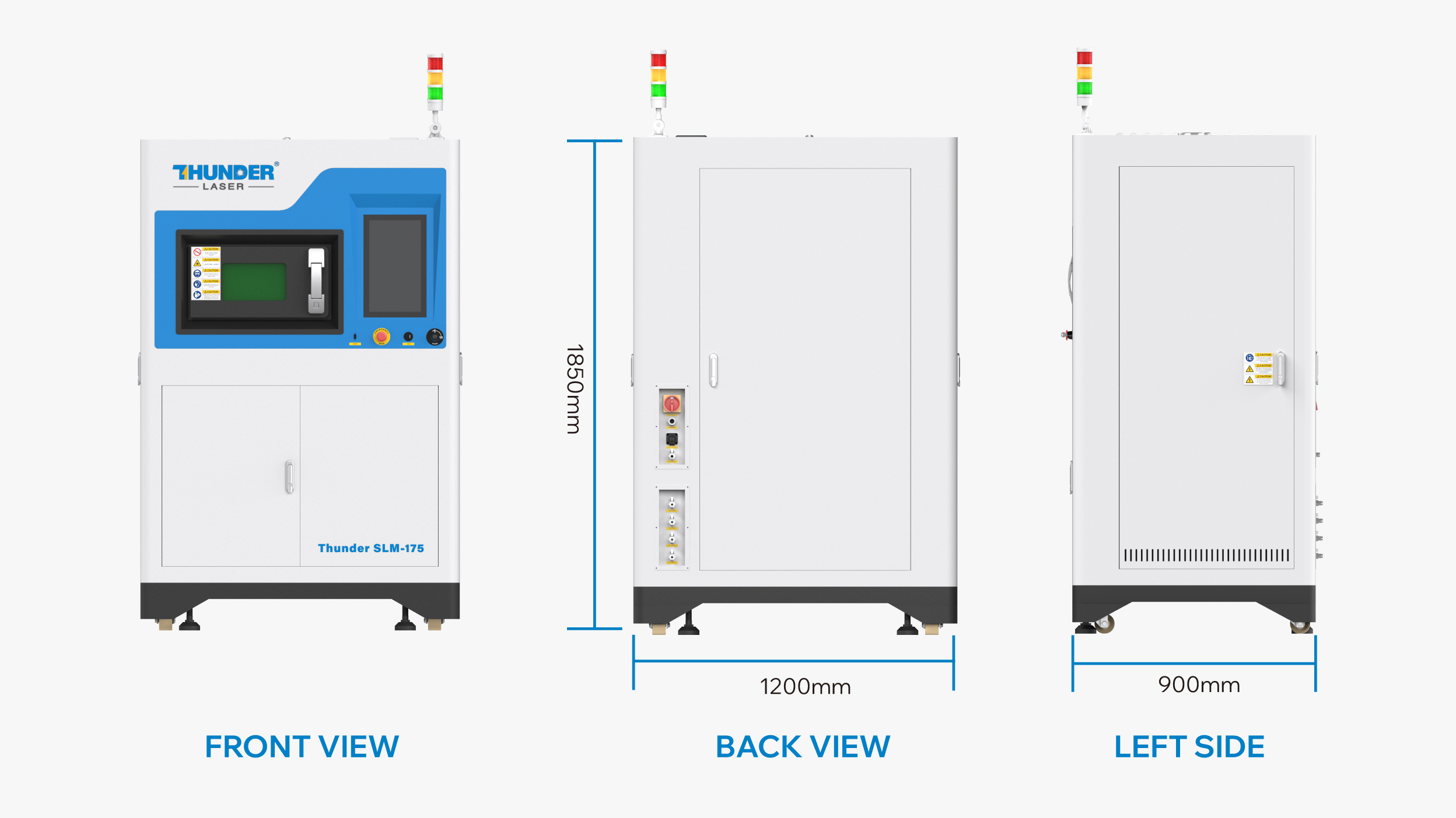
With a footprint of just 1.08 m² and weighing 480kg, the Thunder SLM-175 runs on a standard 220V power supply and fits easily into labs, workshops, and classrooms. Its modular architecture allows seamless integration while delivering industrial-grade performance.
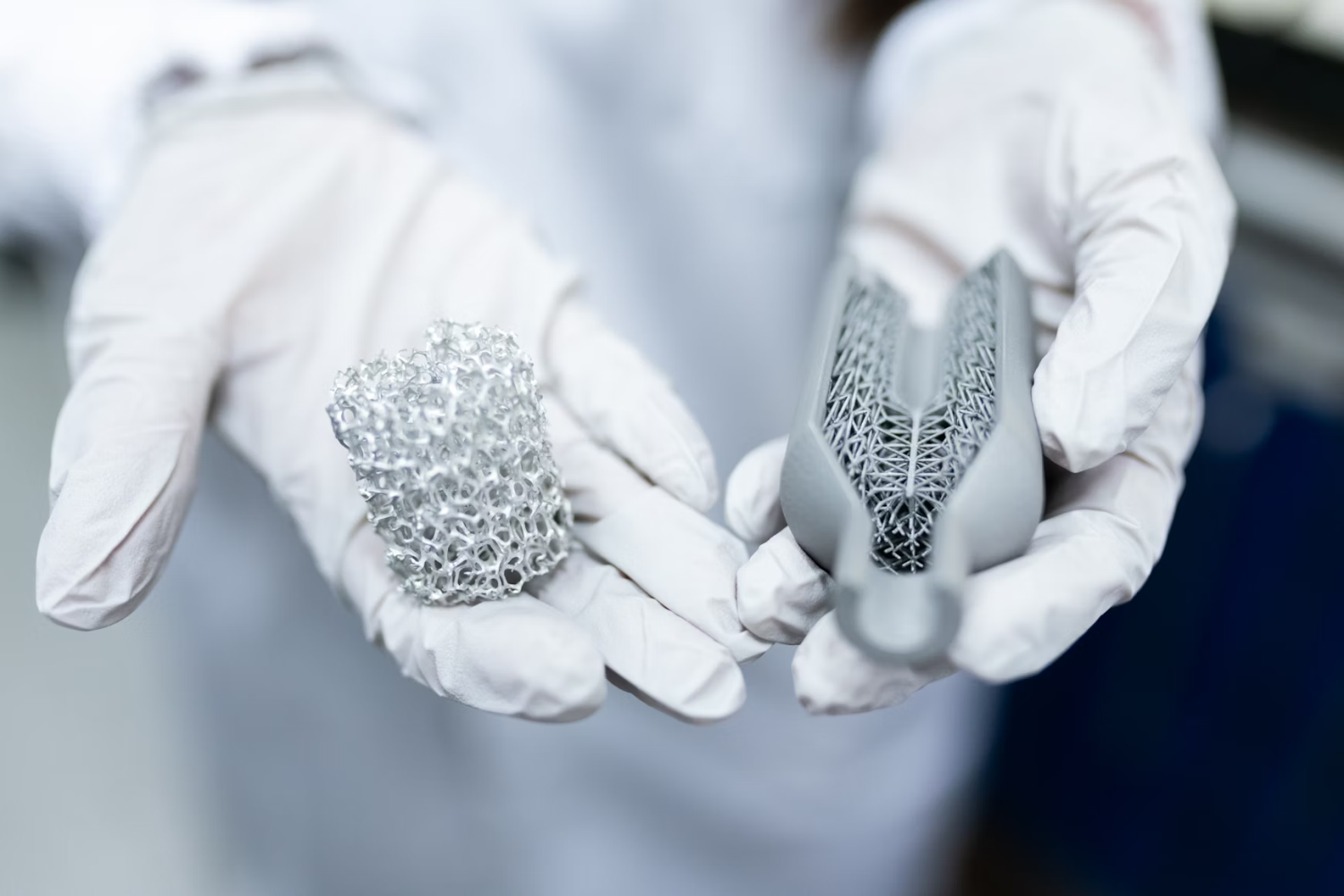
Equipped with a laser energy field optimization algorithm, the Thunder SLM-175 intelligently adjusts processing parameters to enhance the success rate and quality of complex part fabrication. Achieving a forming accuracy of up to ±0.05mm, it is ideal for producing high-precision components such as aerospace turbine blades and customized medical implants.
Powered by an optimized path planning algorithm, the Thunder SLM-175 intelligently matches distinct process strategies to the specific requirements of each part, improving printing efficiency by up to 15%. With a gas-filling time of only 10-15 minutes (assuming adequate gas pressure supply), the system significantly shortens production cycles and enhances overall throughput.
A reusable filter system, modular architecture for simplified maintenance, and up to 85% powder utilization work together to minimize material waste and ongoing operational costs, maximizing user return on investment over the machine’s lifecycle.
Our in-house developed laser scanning algorithm stabilizes melt pool dynamics by resisting changes in atmospheric conditions. Coupled with intelligent path optimization, it reduces printing time while maintaining exceptional quality both speed and reliability.
From tailored process packages to end-to-end training, Thunder Laser provides full lifecycle support. Responsive technical service and application guidance—covering education, research, and industrial scenarios—help users reduce the barriers from entry to mass production, accelerating the adoption of metal additive manufacturing.
Supported Materials
The Thunder SLM-175 supports a wide range of metal powders, ensuring flexibility
for research, prototyping, and production. Some of the compatible materials.
316L
CoCrMoW
CX
18Ni(300)
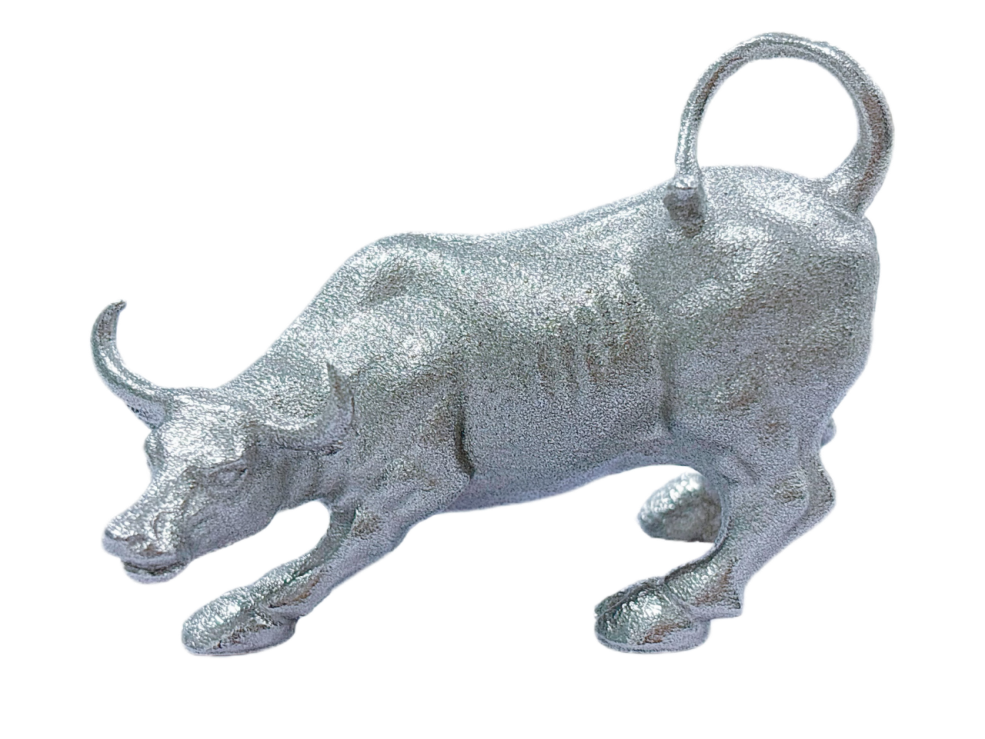
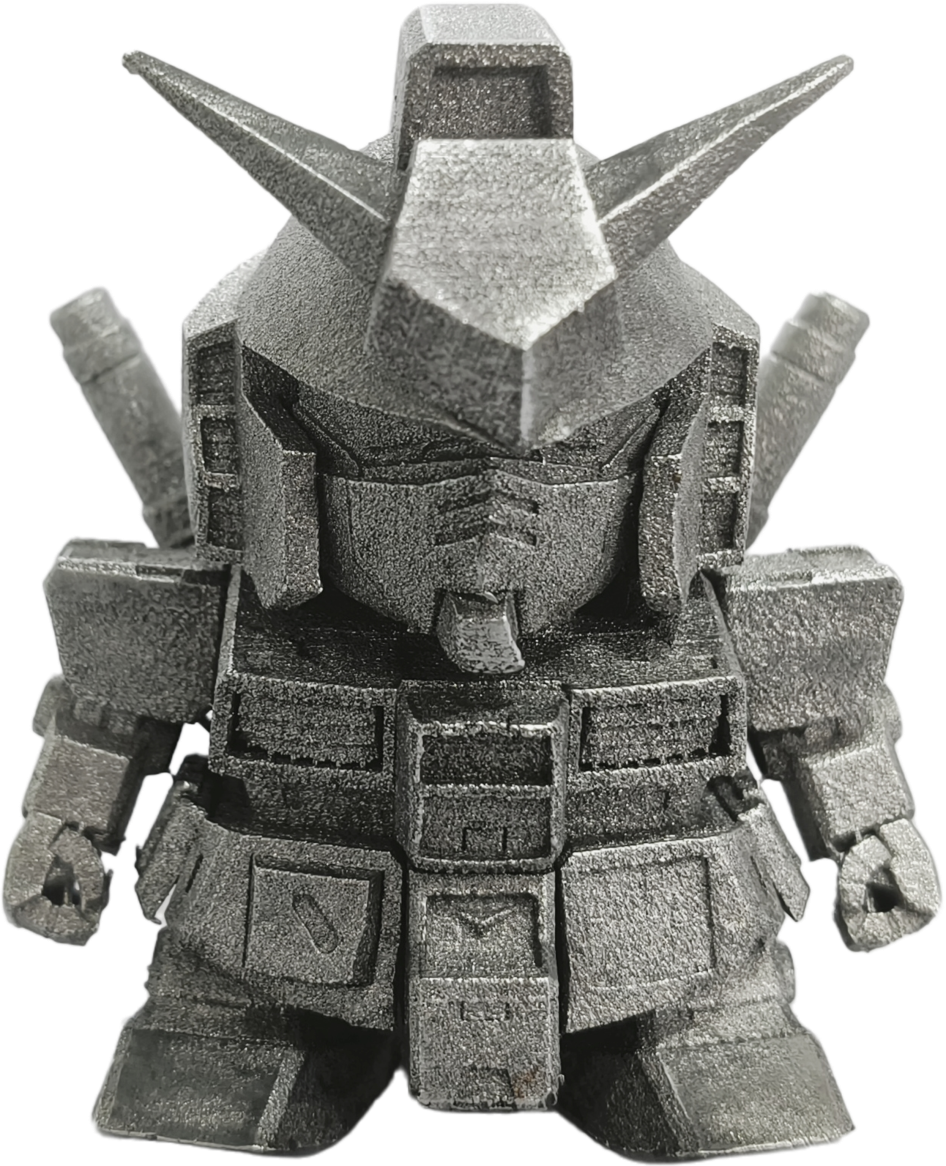
Applications in Action
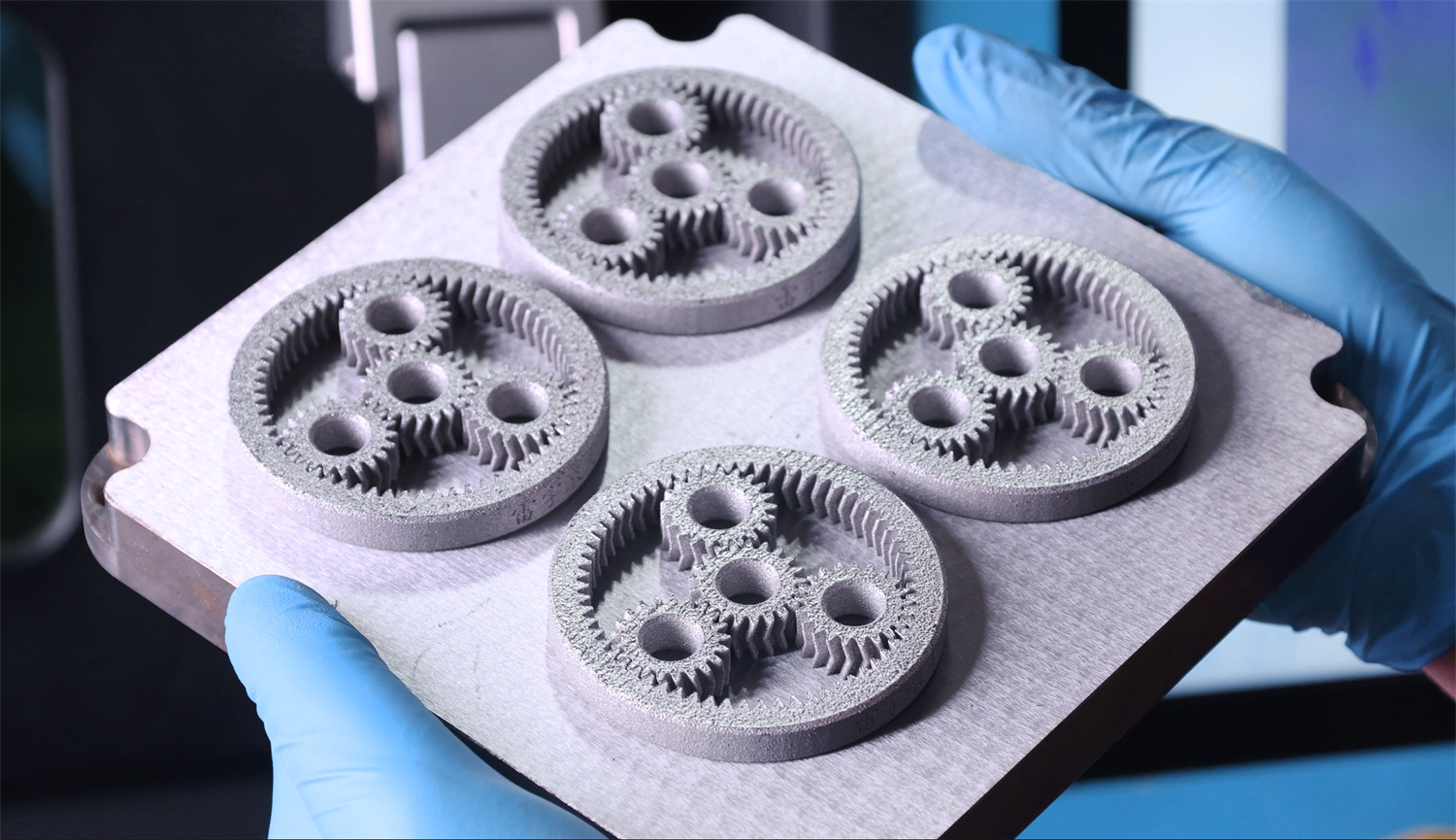
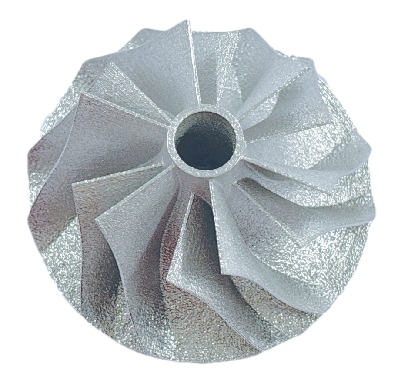
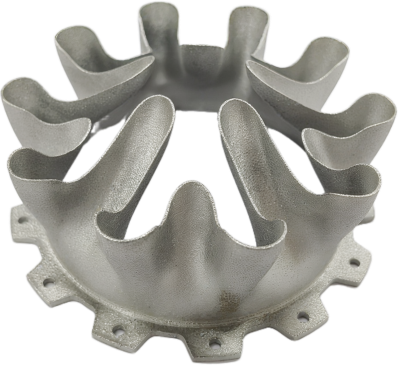
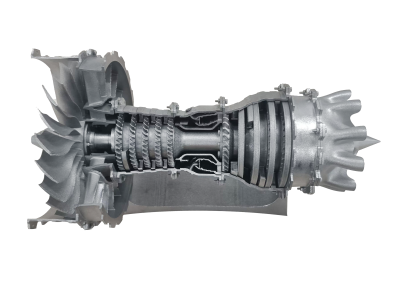
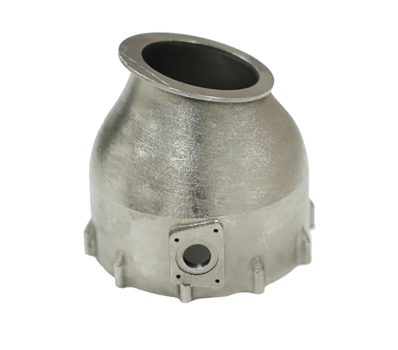
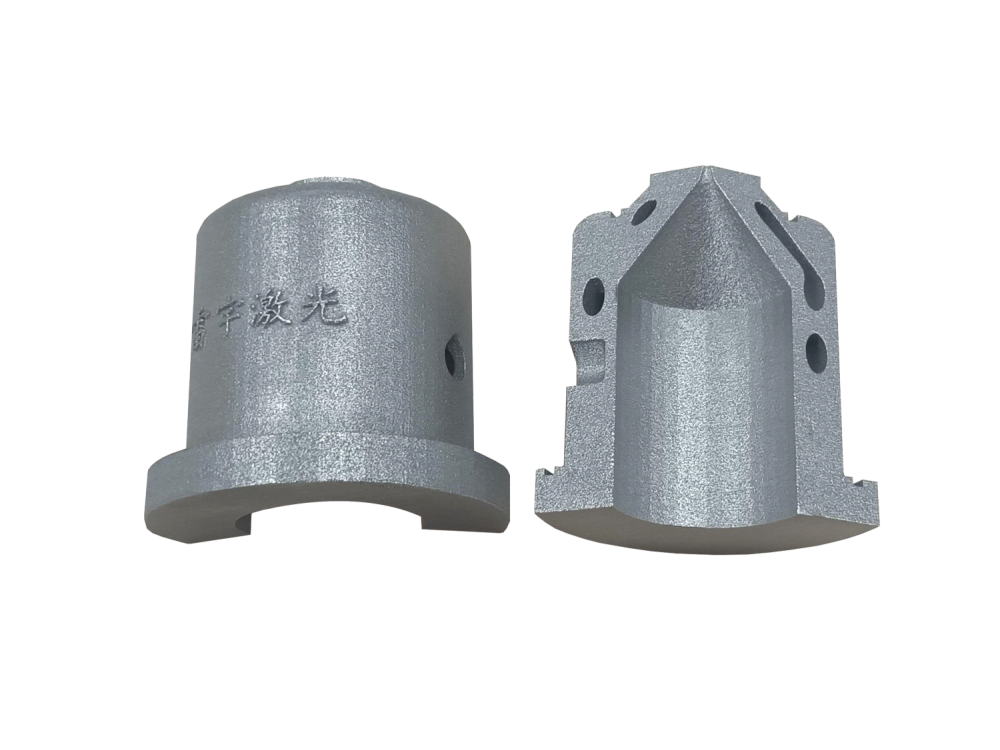
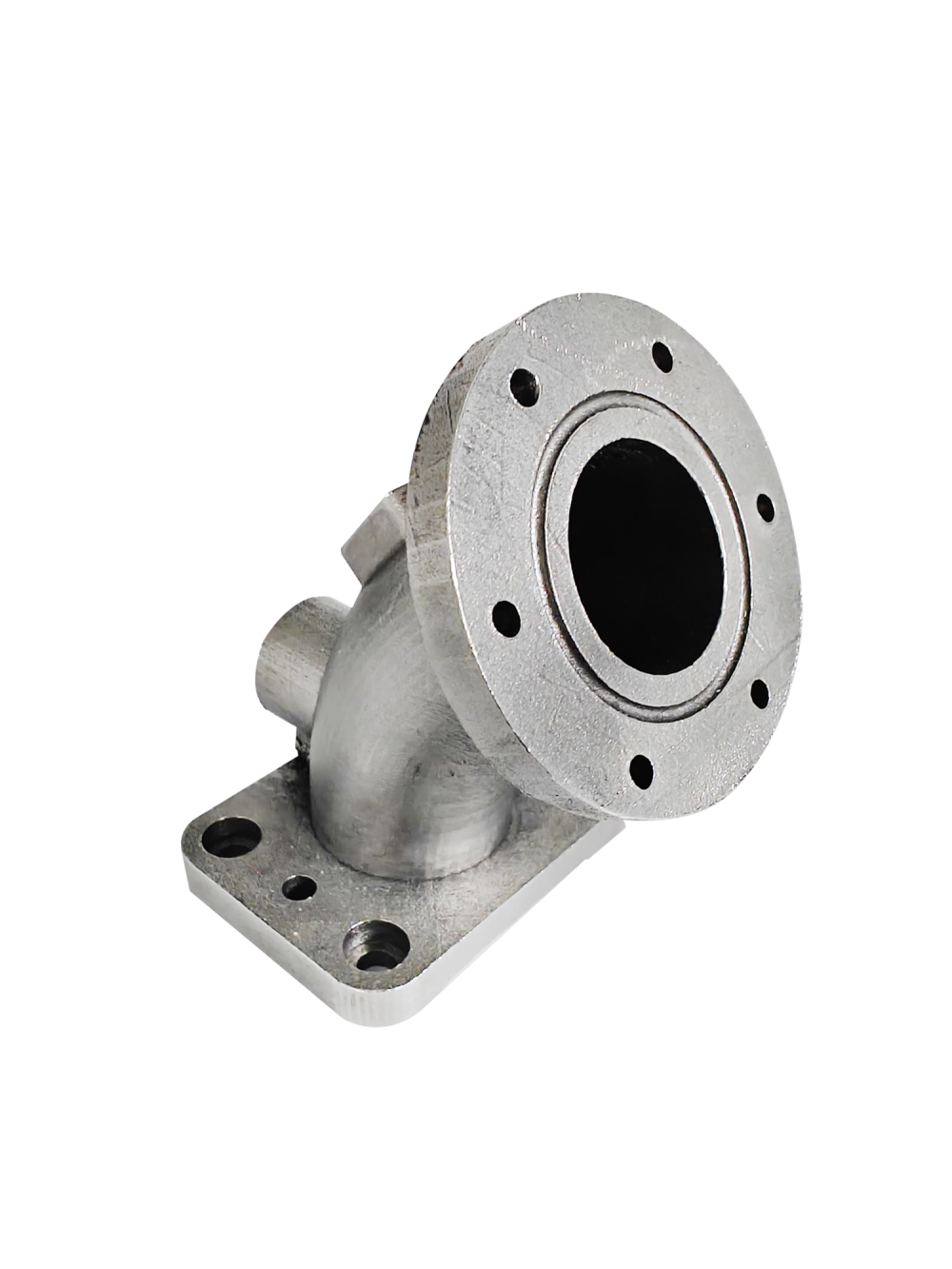
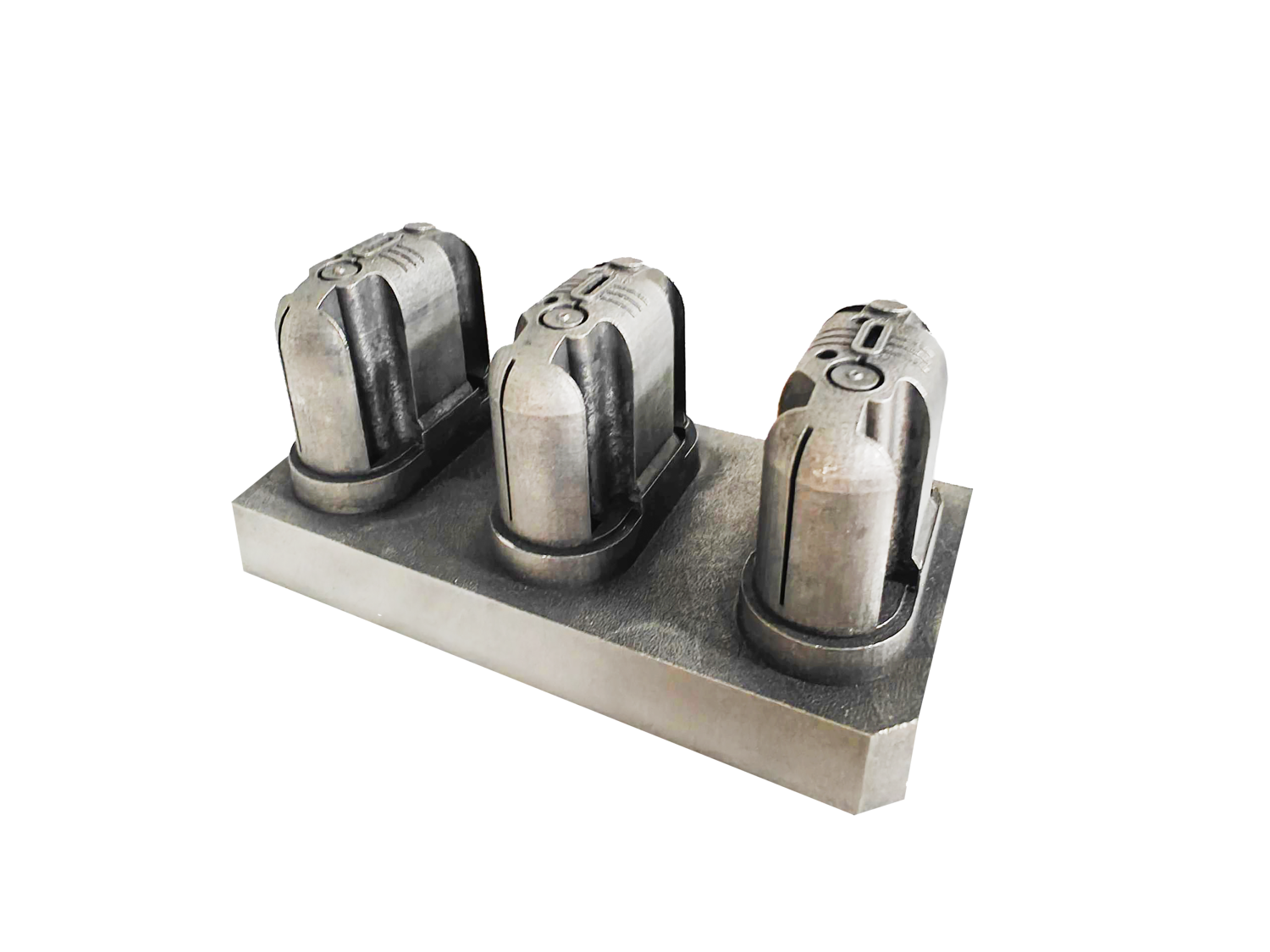
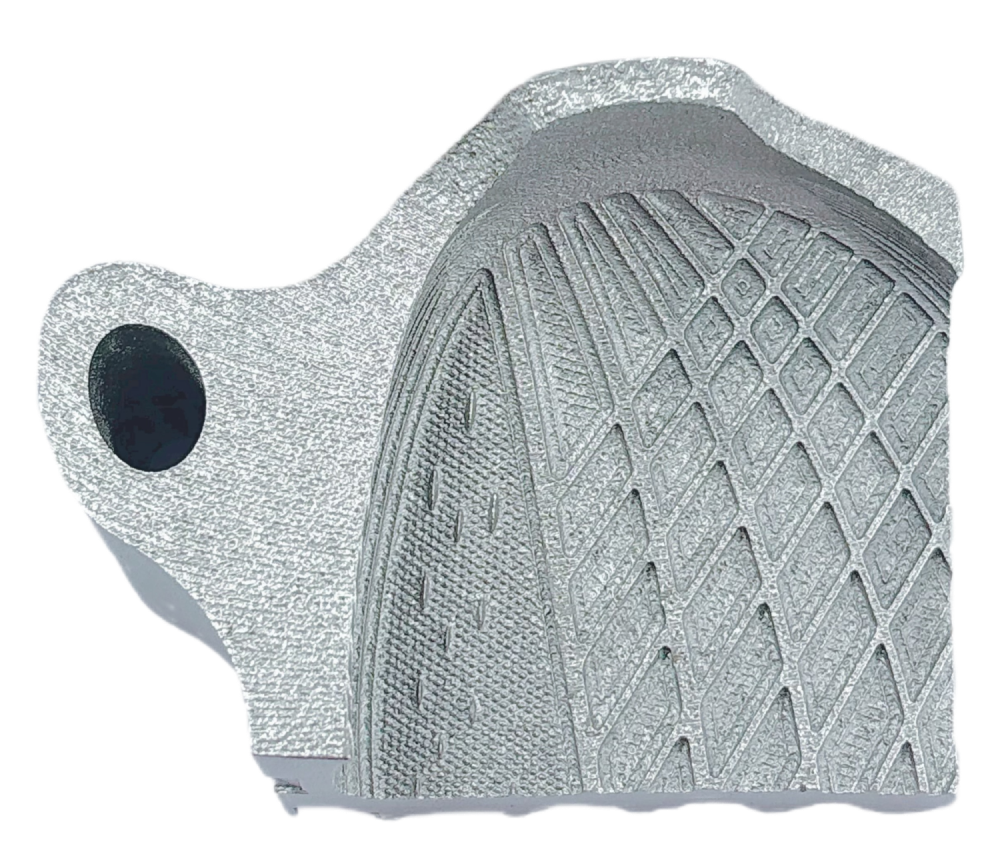
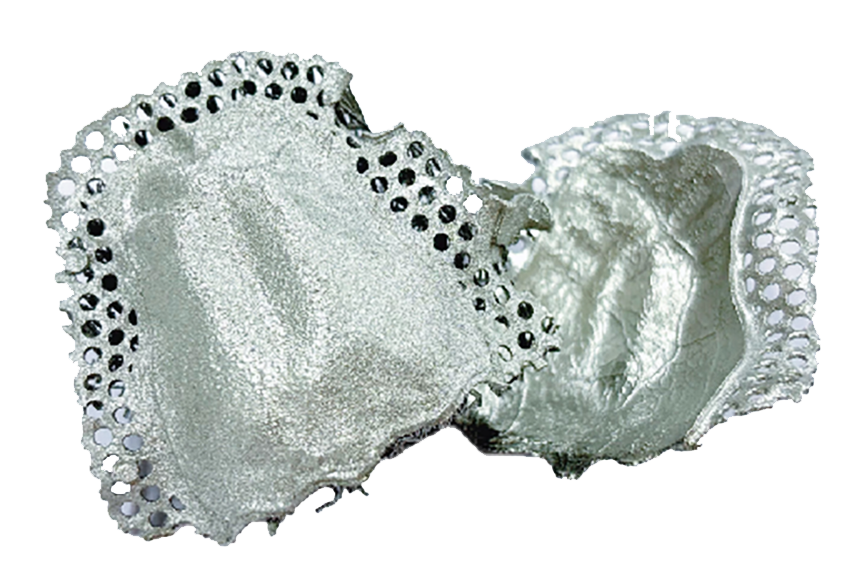
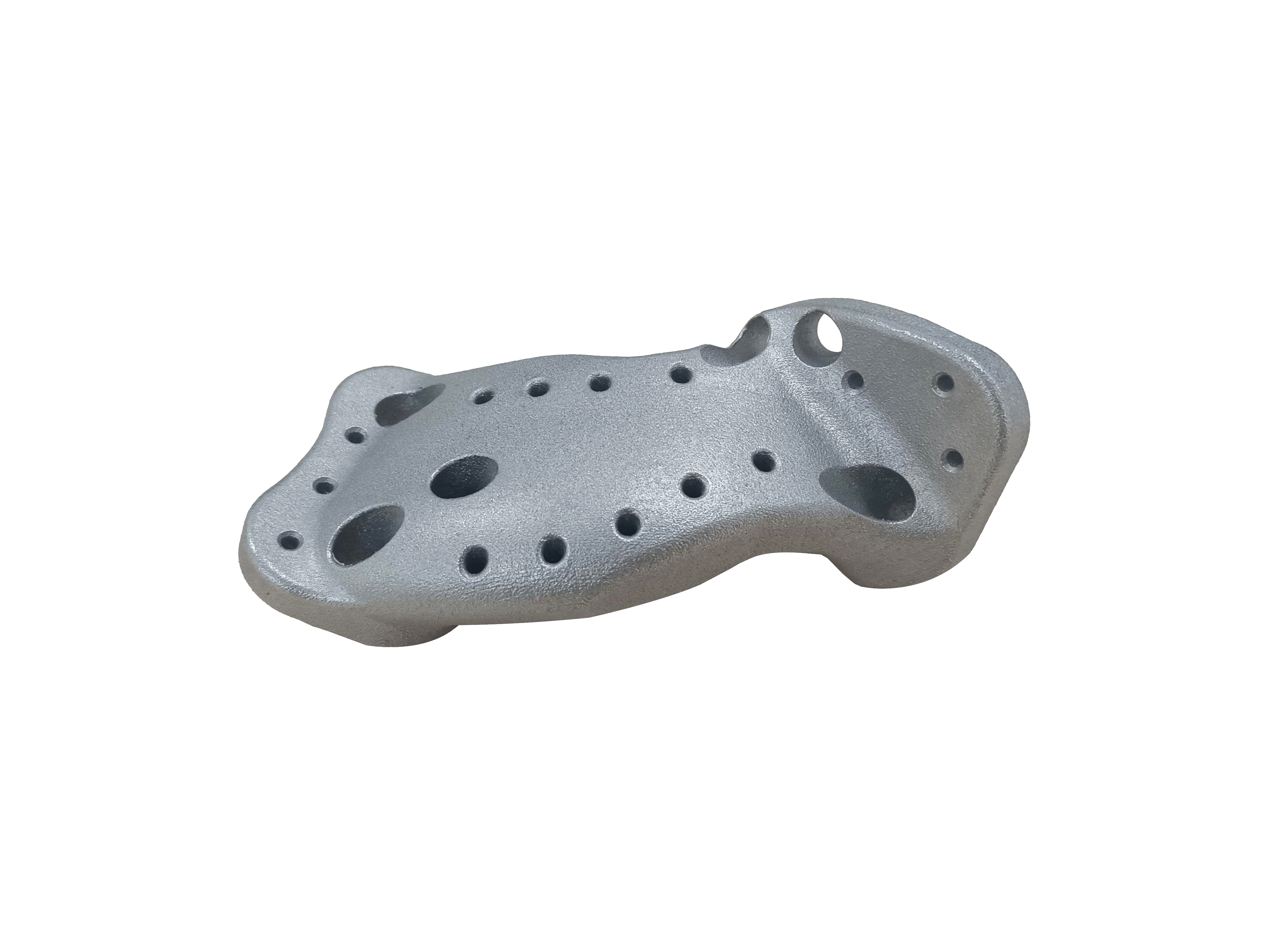
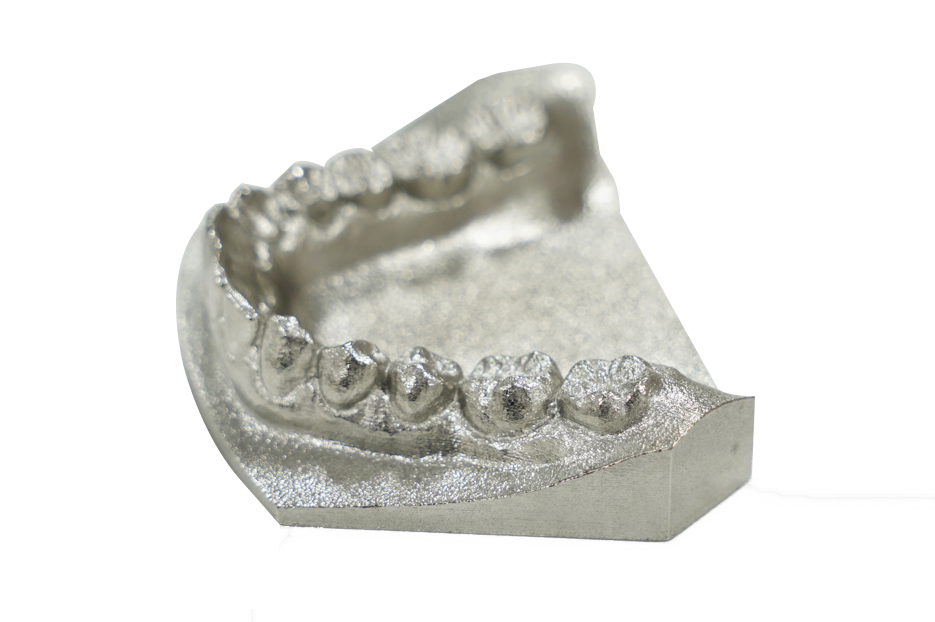
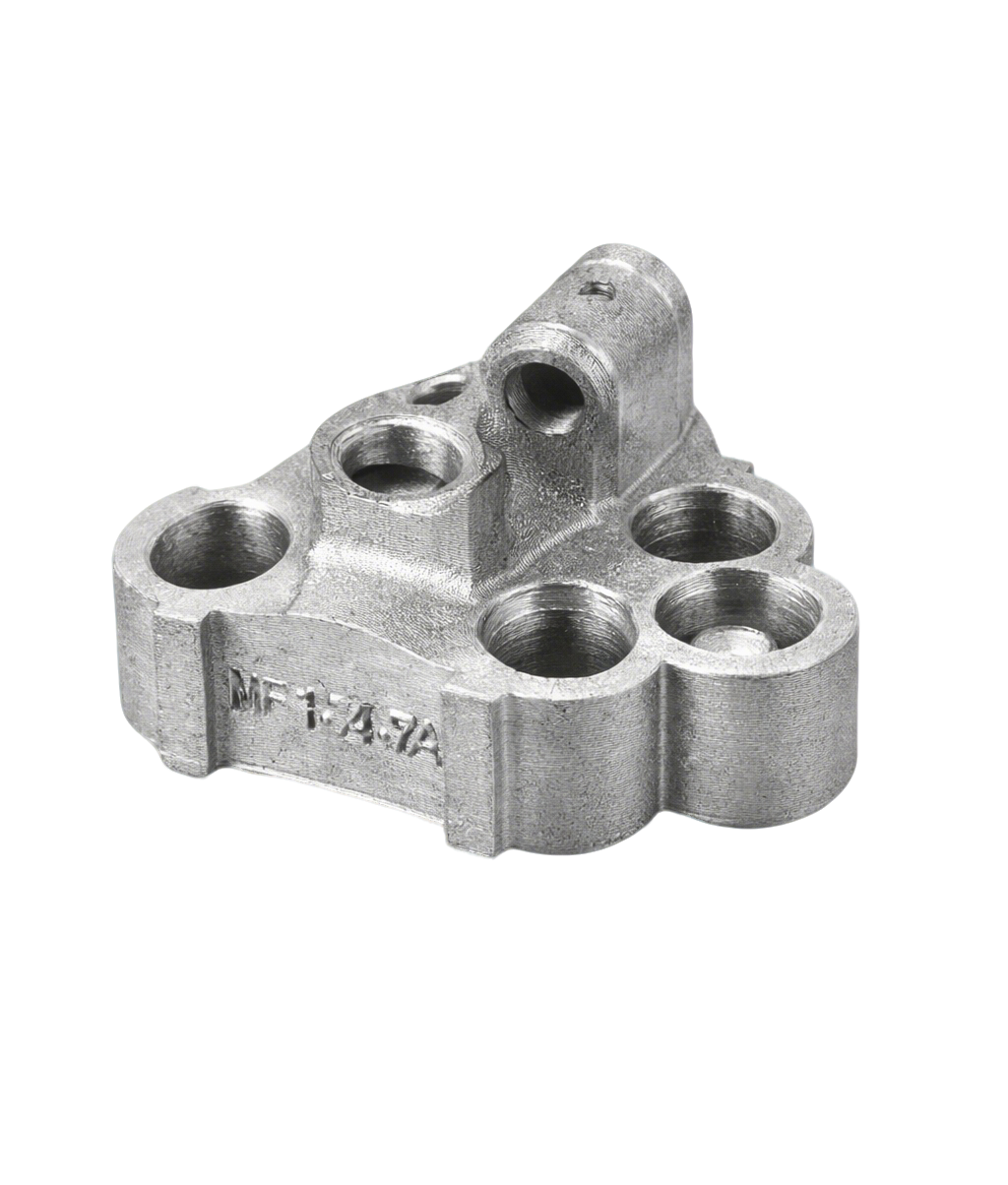
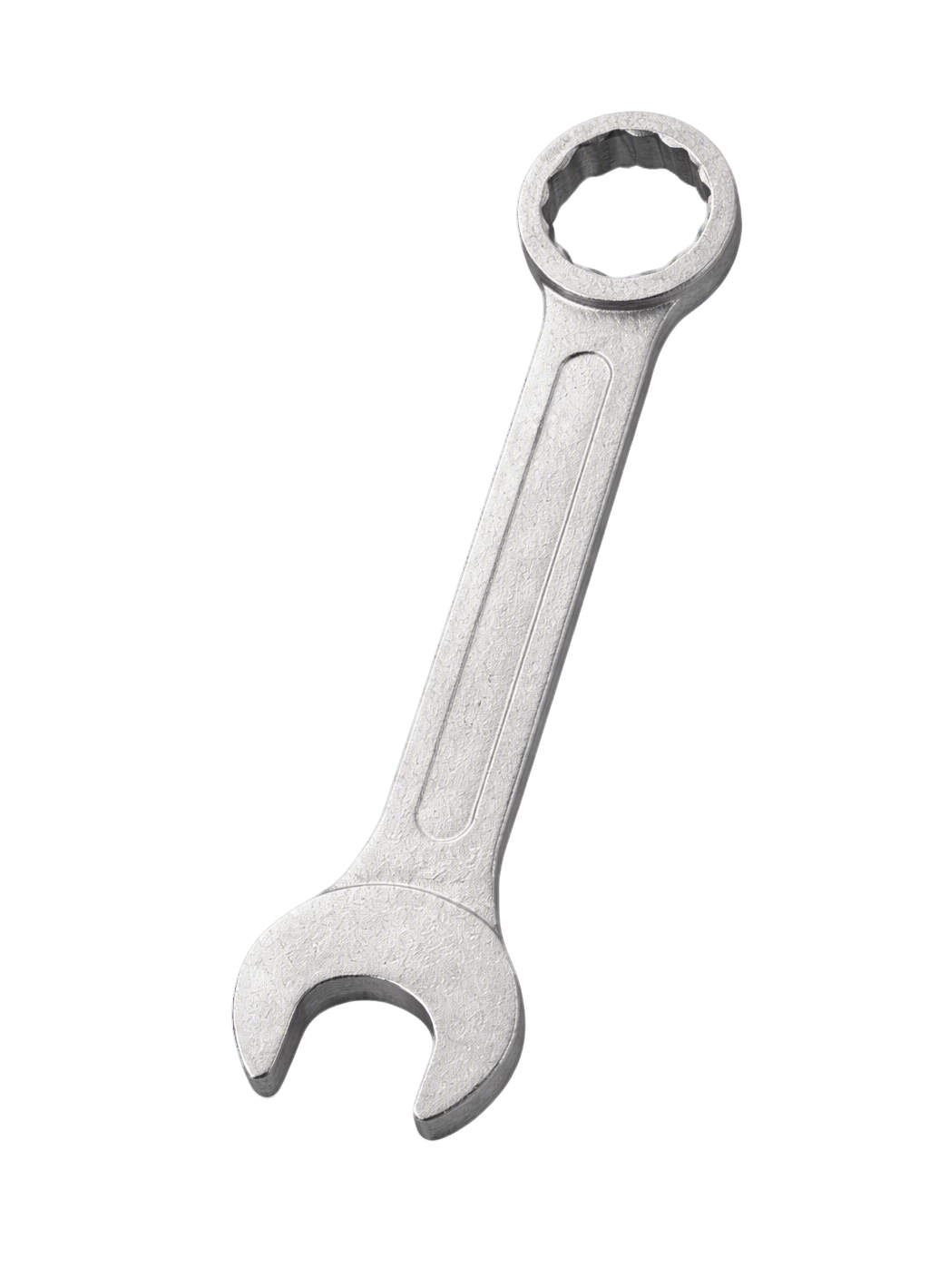
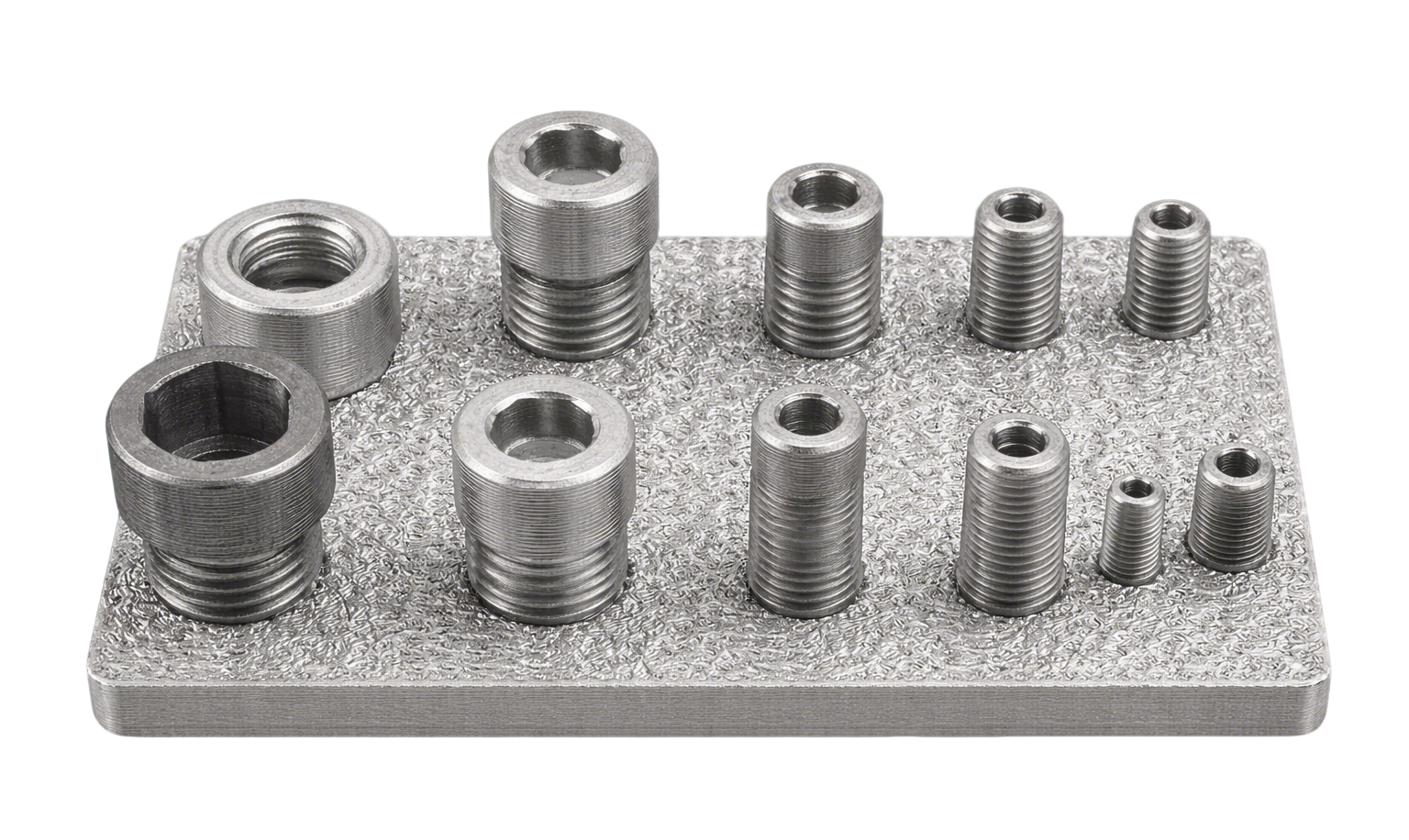
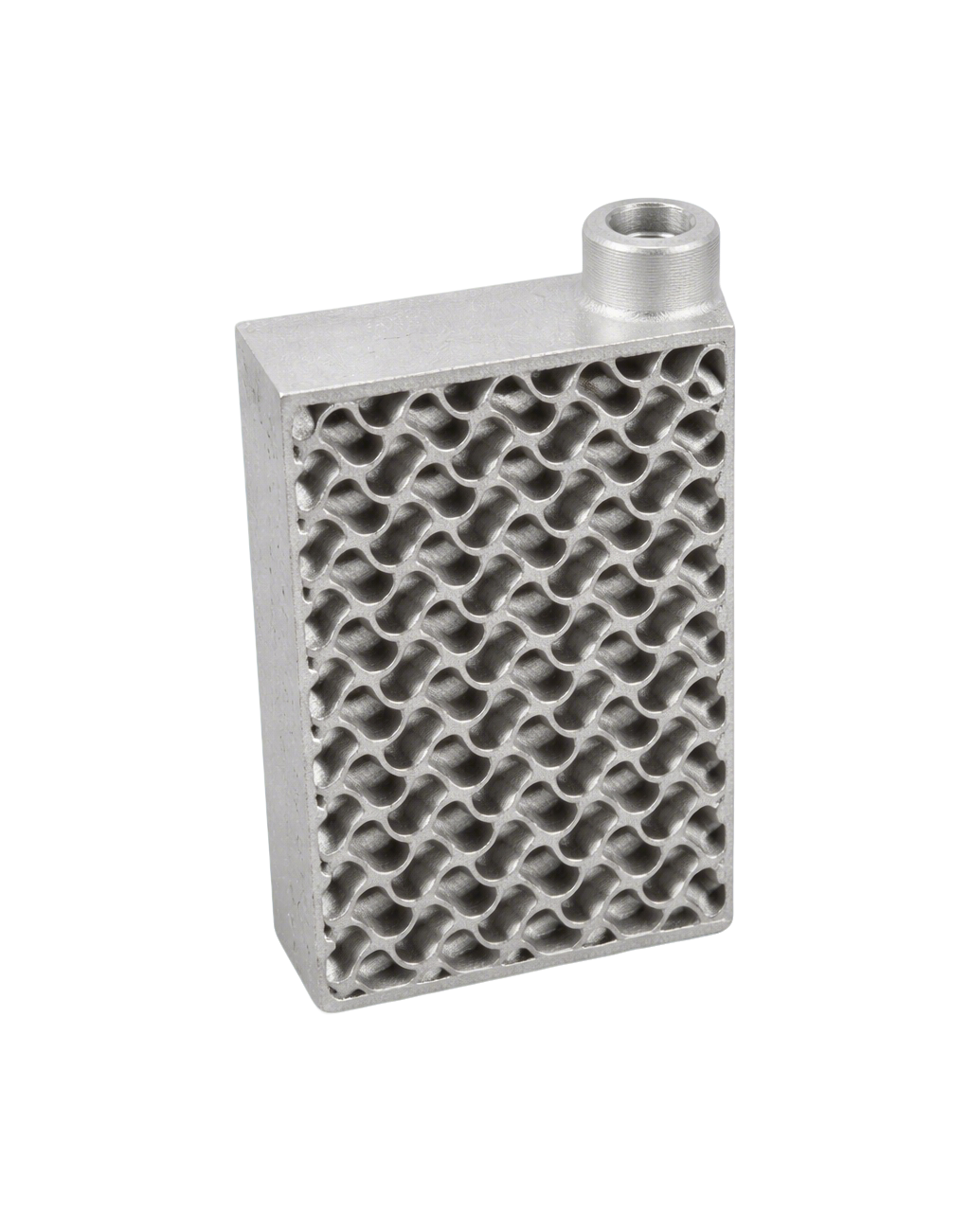
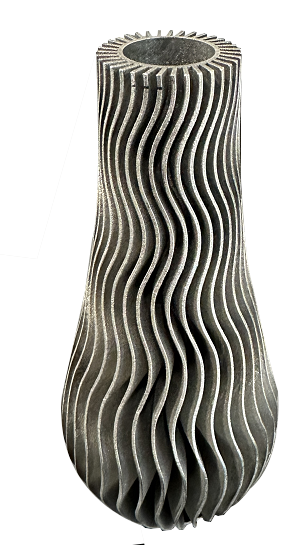
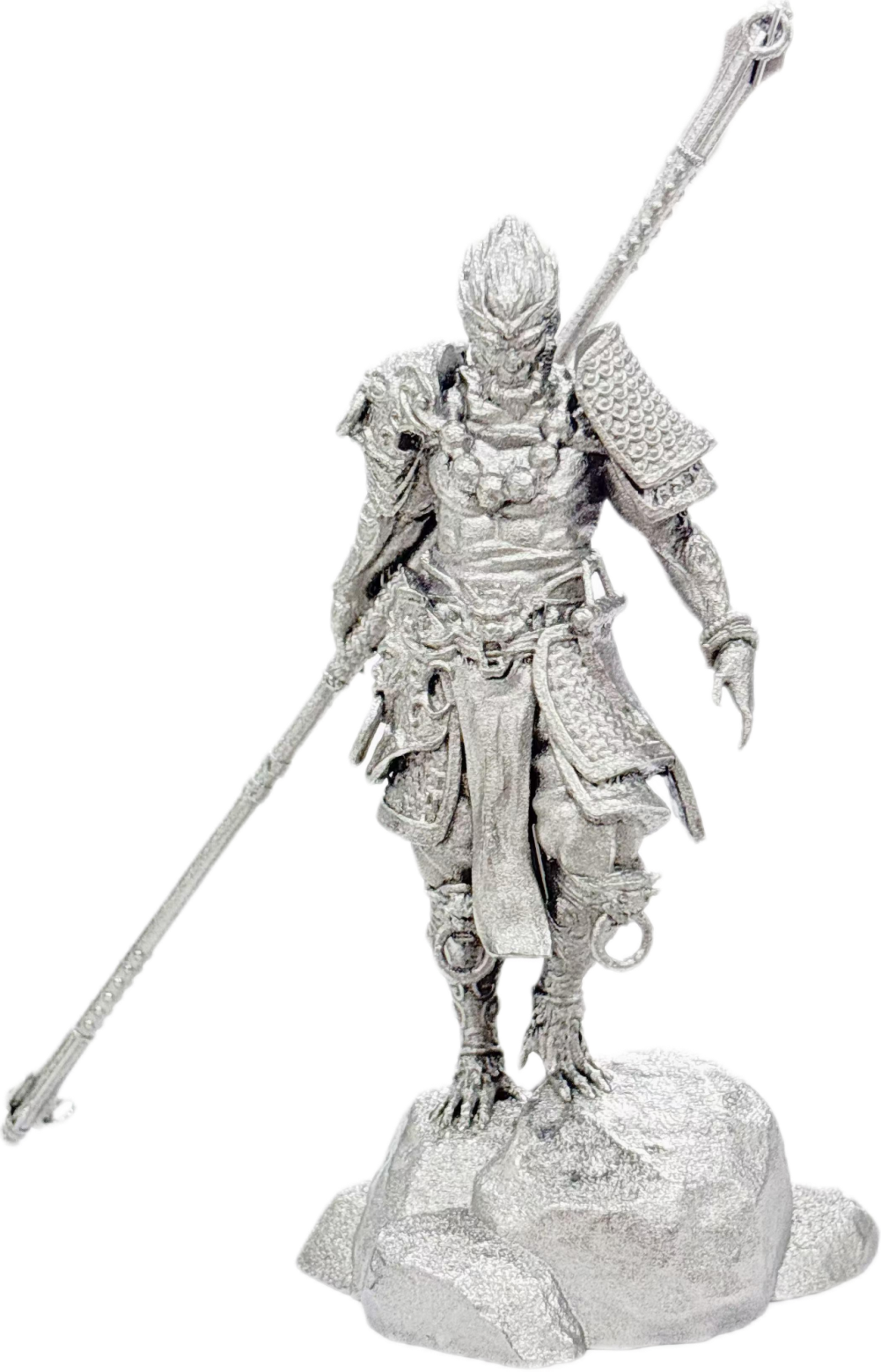
The Thunder SLM-175 empowers innovation across industries-making metal additive manufacturing practical, precise, and accessible.
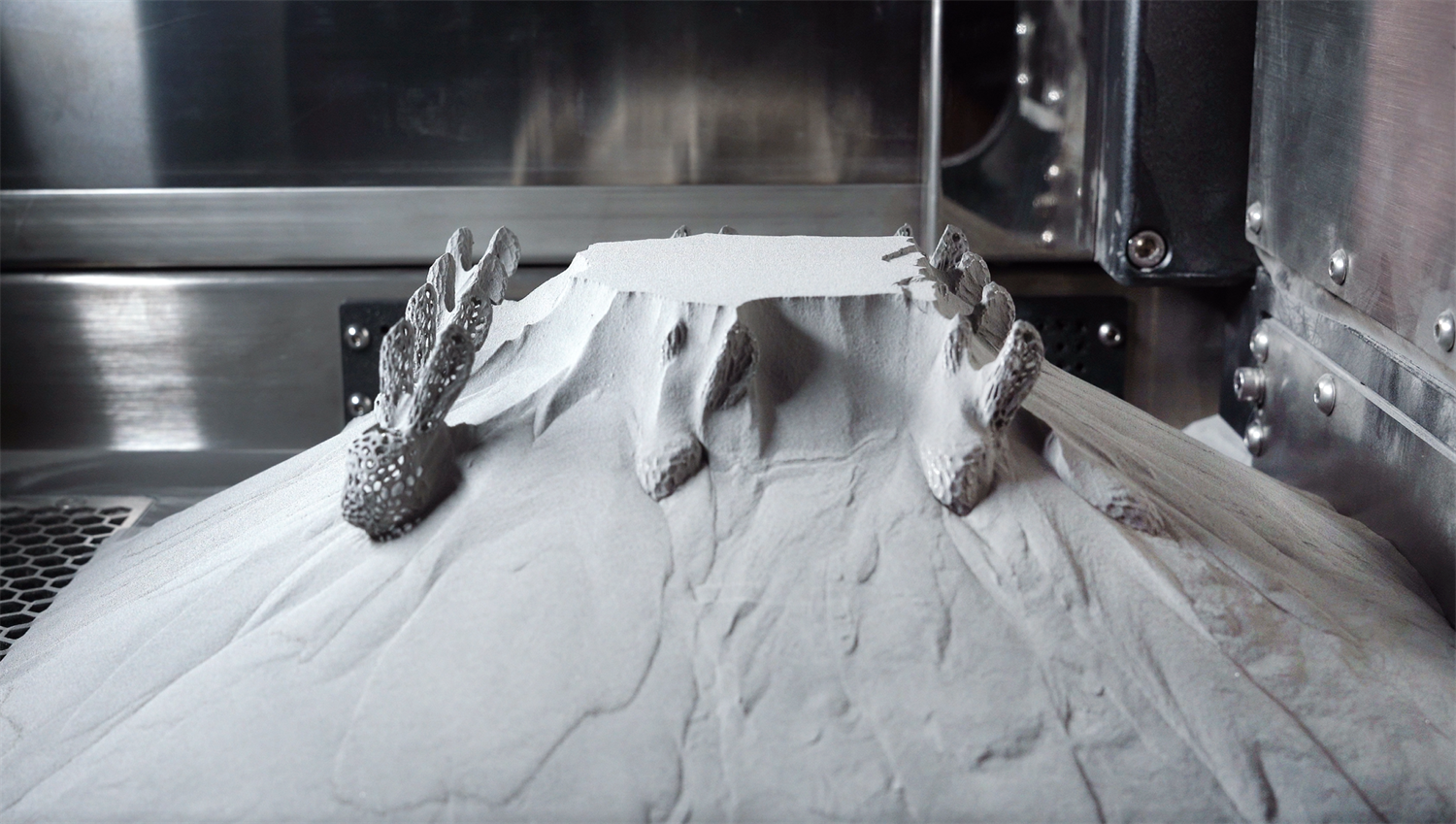
A 3D metal printer is an additive manufacturing machine that builds metal parts layer by layer using metal powders or wires, melted and fused by a high-energy source such as a laser or electron beam.
2. What materials can be used in 3D metal printing?
Common materials include stainless steel, cobalt-chromium alloys, high-temperature alloys, tool steels, and superalloys. Material availability depends on the printer model and technology.
3. What industries use 3D metal printing?
3D metal printing is widely used in aerospace, automotive, medical devices, energy, mold & tooling, and research for its ability to produce lightweight, complex, and high-strength components.
4. What are the advantages of 3D metal printing compared to traditional manufacturing?
(1)Ability to create complex geometries not possible with CNC or casting
(2)Reduced material waste
(3)Faster prototyping and production cycles
(4)Lightweight designs with high strength
(5)On-demand manufacturing with less tooling cost
5. How accurate are 3D metal printed parts?
Most industrial-grade machines achieve layer thicknesses between 20–60 microns and excellent dimensional accuracy, depending on the material and process parameters.
7. Do 3D metal printed parts require post-processing?
Yes. Post-processing such as heat treatment, surface finishing, CNC machining, or polishing is often required to achieve final mechanical properties and surface quality.
8. Is 3D metal printing expensive?
Costs depend on the material, machine, and application. While initial investment can be high, the technology reduces waste and tooling costs, making it cost-effective for complex or low-volume production.ThunderLaserThunder SLM-175isabudget–friendlystarter.
9. How strong are 3D metal printed parts compared to traditionally manufactured ones?
When properly processed, 3D printed metal parts can be as strong as or even stronger than cast or forged components, thanks to fine microstructures formed during printing.
10. What software is needed for operating a 3D metal printer?
Most machines require CAD (for design) and slicing software to prepare files. Advanced systems also include process monitoring and parameter optimization software.


.png "laser cutter Globle") International
International
 United States
 Brasil
 Canada
 Costa Rica
 Mexico
 Česká
Česká
 Romania
 Polska
 Ireland
 Italia
 Lietuva
 Россия
 Deutschland
 Britain
 Україна
 France
 Sverige
 Norway
 Denmark
 Ελλάδα
 Portugal
 한국
한국
 中国
中国
 中国香港
中国香港
 Israel
 中國臺灣
中國臺灣
 ジャパン
ジャパン India
India
 پاکستان
 پශ්රී ලංකා
 ประเทศไทย
 Australia
 New Zealand
 South Africa