


The Future of Laser Sources: Trends and Innovations
 25-02-19
WHAT ARE YOU LOOKING FOR?
Search Across Products, Blog Posts, Support Content, And Resources.

The Future of Laser Sources: Trends and Innovations
25-02-19

Do you know that laser sources are evolving at an amazing rate? Their innovations are transforming industries across the globe. The future of laser sources promises greater efficiency, accessibility and flexibility. Get ready to discover MORE!
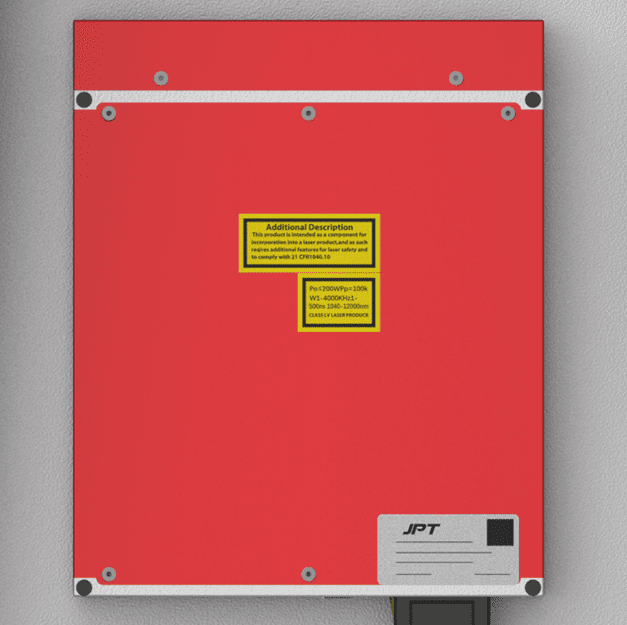
The compound annual growth rate (CAGR) for the fiber laser market is expected to over 10% in 2025. Renowned for efficiency and ultra precision in metal processing, fiber lasers are increasingly favored in high-demand sectors.
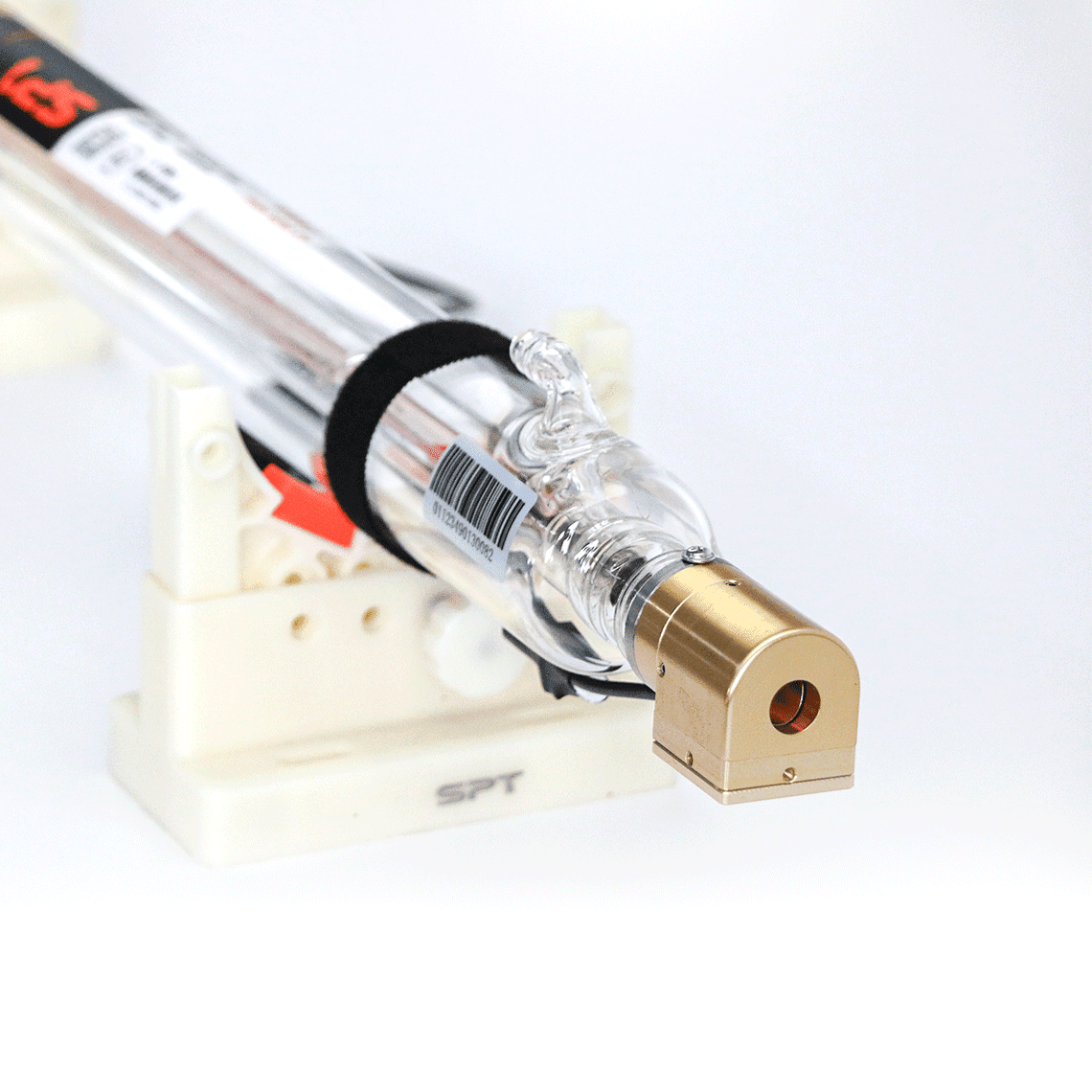
CO₂ lasers maintain their stronghold in engraving and cutting a wide range of non-metal materials, fueling growth in creative industries and bespoke manufacturing.
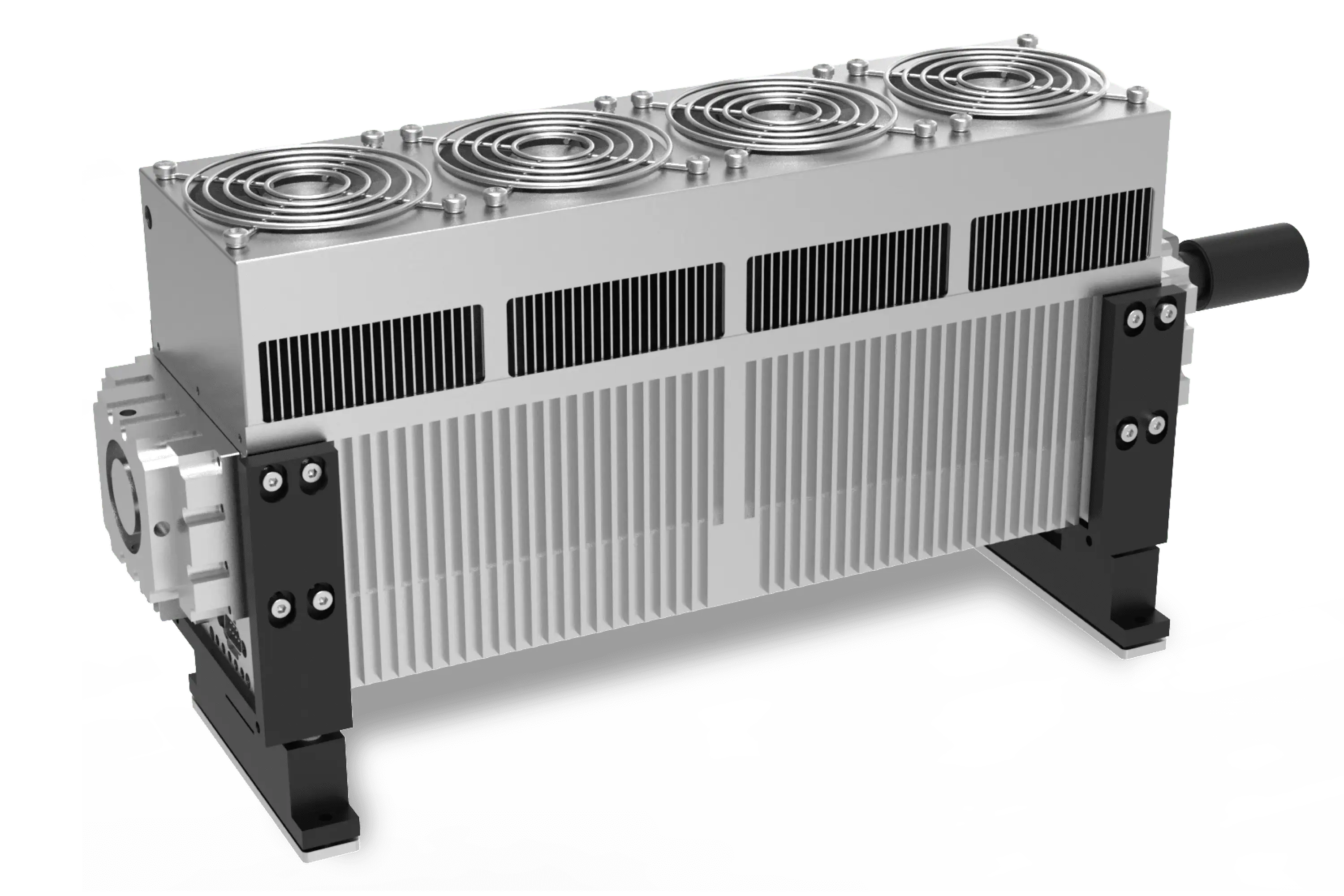
Diode lasers are moving toward higher power, which expands their applications. However, their usage remains limited by challenges in transparent and composite materials processing.
High-performance laser sources allow for more consistent and accurate cutting, engraving, and marking on a variety of materials. Better performance means more efficient operation as well as higher quality and consistent finished products. That's why high-quality and high-volume production businesses tend to use high-performance laser sources.
Unlock Ultimate Cost-effective Choice
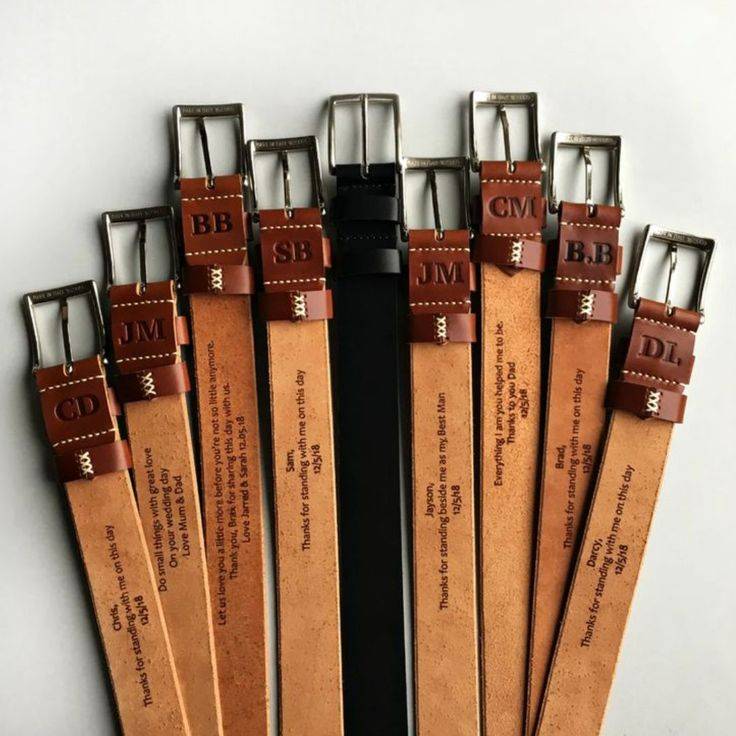
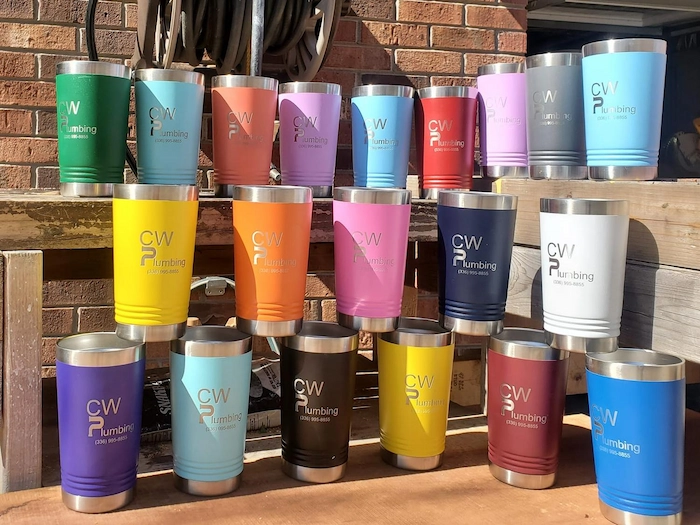
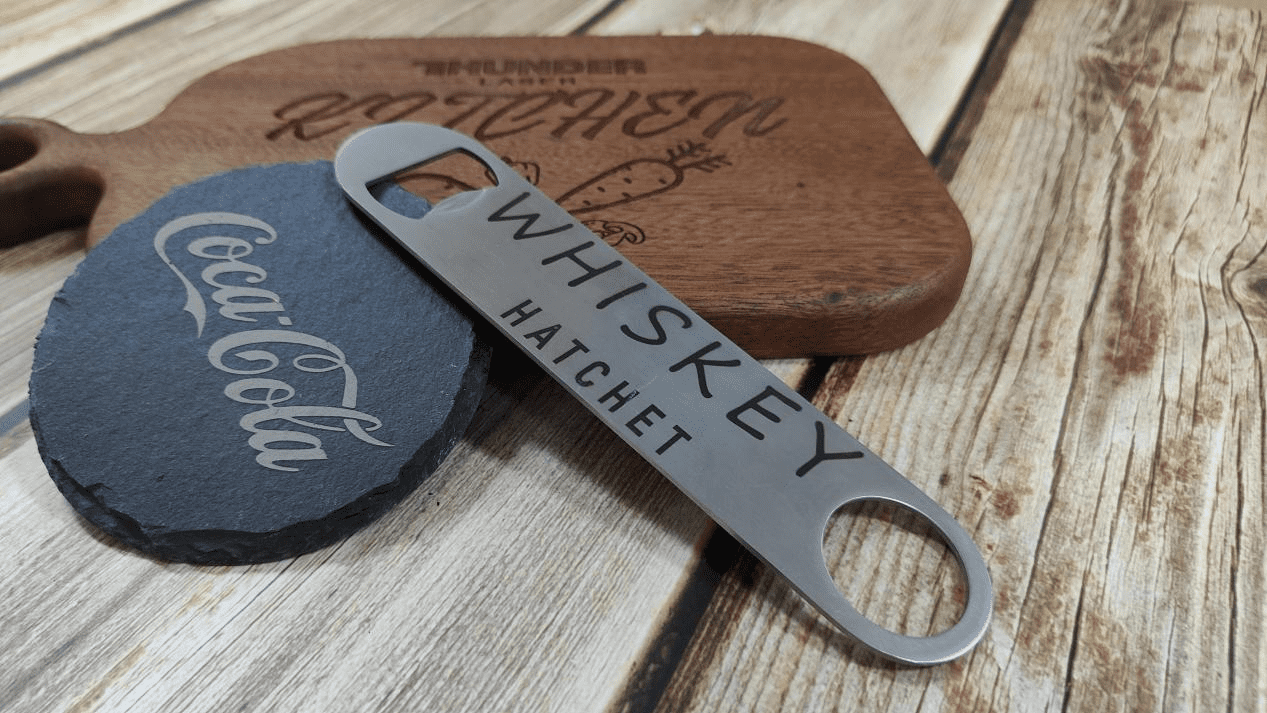
Learn more about laser application materials



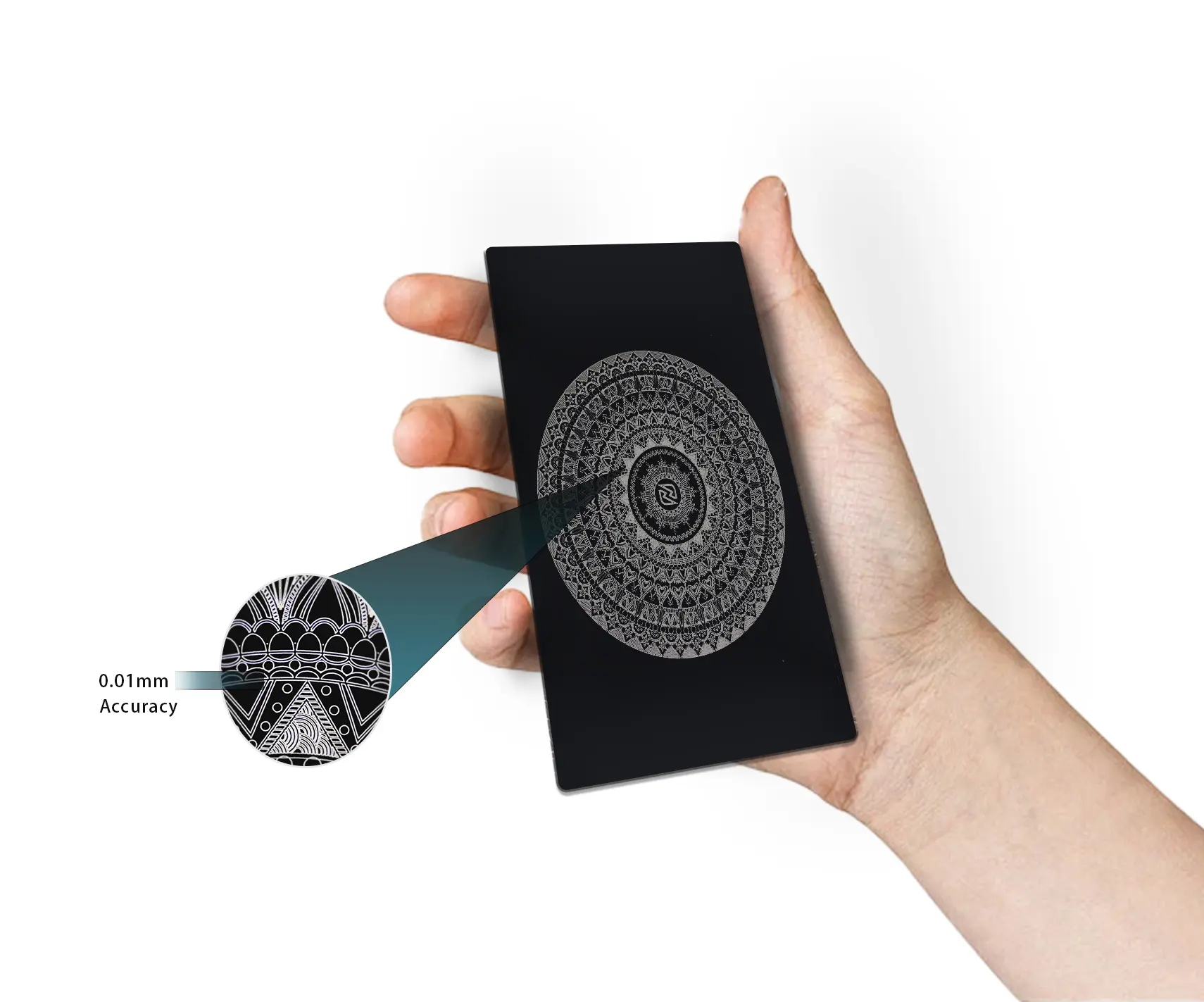
An important advancement is the radio frequency (RF) laser source, which offers superior performance for finer engraving and cutting with exceptional accuracy.
Compact desktop laser engravers are gaining popularity for saving space and reducing costs, largely due to the miniaturization of laser sources, making high-performance laser far more accessible to small studios and home workshops.
Discover Cutting-edge Desktop Solutions
Combination of laser sources allows a single machine to handle metal and non-metal cutting, engraving and marking. The integration of various laser sources, such as RF tubes and fiber lasers, expands the laser engraver's applications like never before and provides users with superior convenience.

Understanding the various types of laser sources is essential for businesses seeking to optimize their operations. By diving deeper into the characteristics and capabilities of these laser sources, businesses can make informed decisions on the best machine for their needs. Moreover, staying updated on emerging technologies and innovations will keep your business ahead of the curve, enabling you to leverage the latest tools for greater productivity and efficiency.
Although the overall cost of laser sources is decreasing, the upfront investment for cutting-edge technologies may still be high. Businesses looking to adopt the latest innovations might face financial barriers, especially small startups or those with limited budgets. It's essential to weigh the long-term benefits of these innovations against their initial costs and carefully assess whether they align with the company's growth strategy.
As laser sources evolve rapidly, businesses must stay updated to avoid the risk of obsolescence. Newer solutions may render older equipment less efficient or incompatible with emerging materials. Consideration needs to be given to how often the laser system should be upgraded to keep up with business developments while avoiding unnecessary costs.
The future of laser sources maintains a very optimistic growth rate, and rapid innovation will open up new possibilities for a wide range of industries around the world. As laser sources continue to evolve, organizations can expect greater efficiency, precision and flexibility from new technologies.
Constantly innovating laser sources are creating the conditions for smarter, more versatile solutions for applications ranging from precision manufacturing to creative design. However, these advances also present challenges. Therefore, capitalizing on the opportunities presented by laser source innovation requires being informed, investing in cost-effective lasers, and adapting to the changing technology landscape.
Talk To Our Experts Now!
Please leave your contact information so that we can serve you better.
TAKE THE NEXT STEP WITH THUNDER LASER


 Stable & Consistent MachinesUnlimited ApplicationRobust After-sales SupportFactory Direct Supply


