








Metal 3D Printing Mold: Is the Machine Worth the Investment?
 2026-02-14
WHAT ARE YOU LOOKING FOR?
Search Across Products, Blog Posts, Support Content, And Resources.

Metal 3D Printing Mold: Is the Machine Worth the Investment?
2026-02-14
For decades, CNC machining and EDM have been the backbone of mold making. However, as product designs become more intricate and market demands for speed increase, these traditional methods are hitting a wall, especially in lead time and design flexibility.
This is where Metal 3D Printing (especially SLM and DMLS) transforms the industry. By enabling complex conformal cooling channels that follow the part’s exact contour, this technology promises to slash production cycles by 20–40% and compress tool lead times to just 5–7 days. However, these performance leaps come with a significant price tag.
This leads to the ultimate industry dilemma: Do the radical efficiency gains justify the steep upfront investment? Is metal 3D printing truly worth it for mold making?
For decades, mold making has relied on traditional subtractive manufacturing methods such as CNC machining, EDM, and WEDM. These processes are well established, highly precise, and trusted across the industry. For standard mold geometries and stable production requirements, they continue to deliver reliable results. However, as market demands evolve, the limitations of these methods are becoming increasingly difficult to ignore:
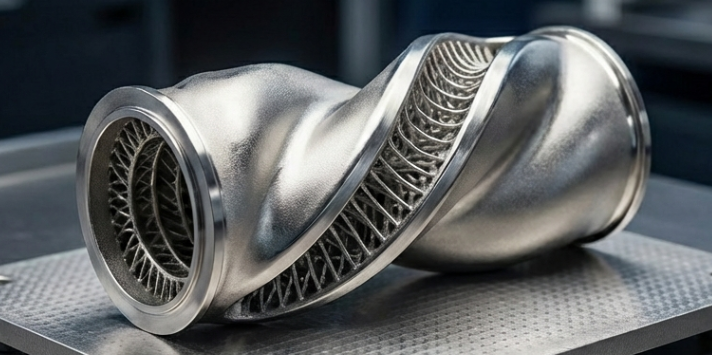
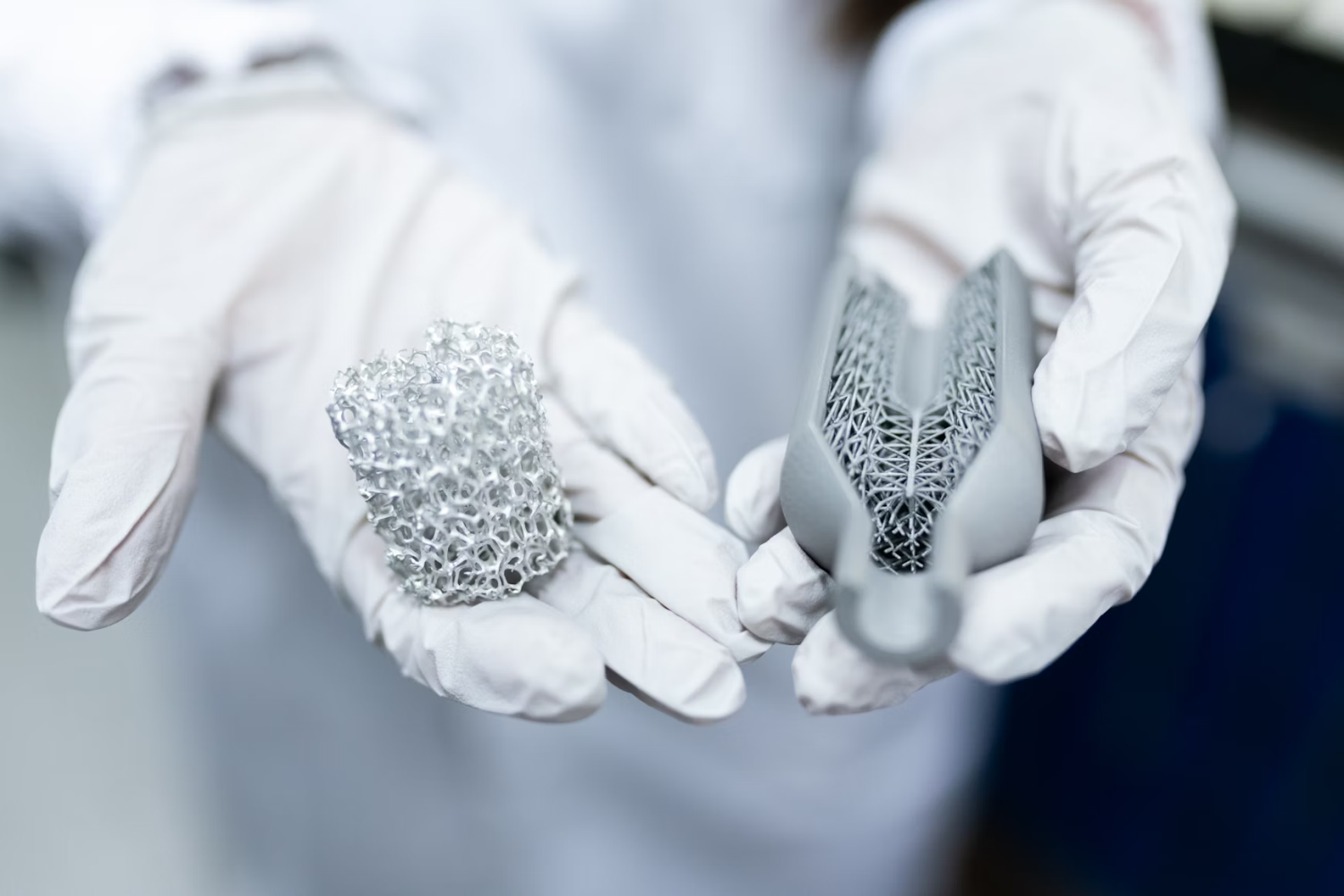
Traditional subtractive processes are inherently constrained by tool accessibility. Complex internal features—such as conformal cooling channels, curved passages, lattice structures, or enclosed cavities—are often impossible to manufacture because cutting tools and EDM electrodes can only process areas they can physically reach. As a result, mold designers are frequently forced to simplify geometries or compromise on cooling layouts, prioritizing machinability over optimal mold performance.
Conventional mold manufacturing involves multiple sequential steps, including rough machining, semi-finishing, electrode design and fabrication, EDM processing, heat treatment, and final finishing. Each step requires separate setup, alignment, and inspection. These processes significantly lengthen mold lead times, making it difficult for manufacturers to respond quickly.
Subtractive manufacturing starts with oversized metal blocks, removing a substantial portion of material to achieve the final geometry. In mold making, this often means that a large percentage of high-value steel or alloy is turned into chips and scrap. While some material can be recycled, the cost of raw material, machining time, and waste handling remains high—especially when working with premium mold steels or specialty alloys.
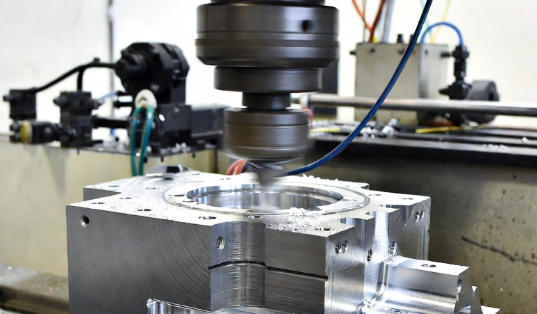
Any design modification often requires restarting major parts of the machining process, increasing cost and delaying validation. As mold designs become more complex and product lifecycles shorter, these constraints directly impact cost, speed, and competitiveness.
Instead of cutting material away, metal 3D printing parts are formed additively—enabling a fundamentally different design and manufacturing logic. This shift brings several key advantages:
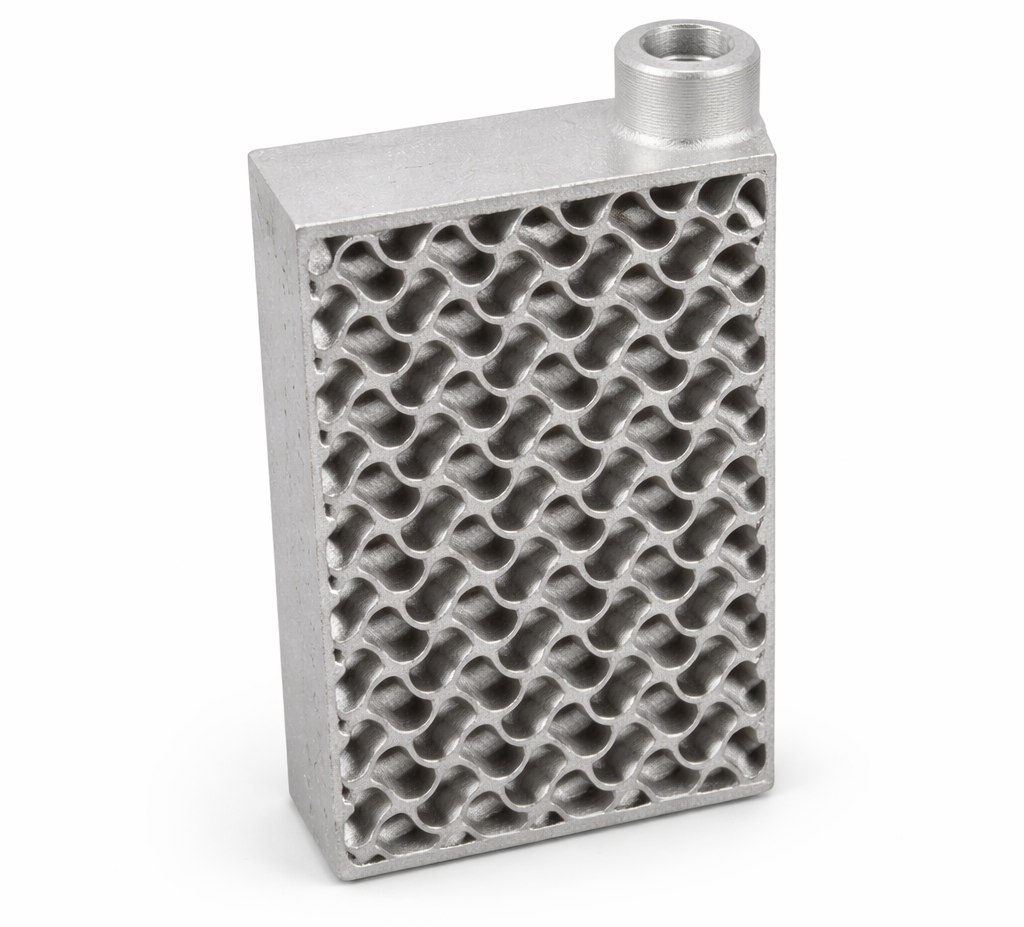
Metal 3D printing supports complex external geometries and internal structures — such as true conformal cooling channels that follow the exact part contour of the cavity surface, spiral helices, honeycomb lattices, topology-optimized ribs, porous venting zones, ultra-thin walls down to 0.4 mm, and internal undercuts with zero draft angles — that are impossible or extremely difficult (and expensive) to achieve with traditional CNC machining, deep-hole drilling, or EDM methods.
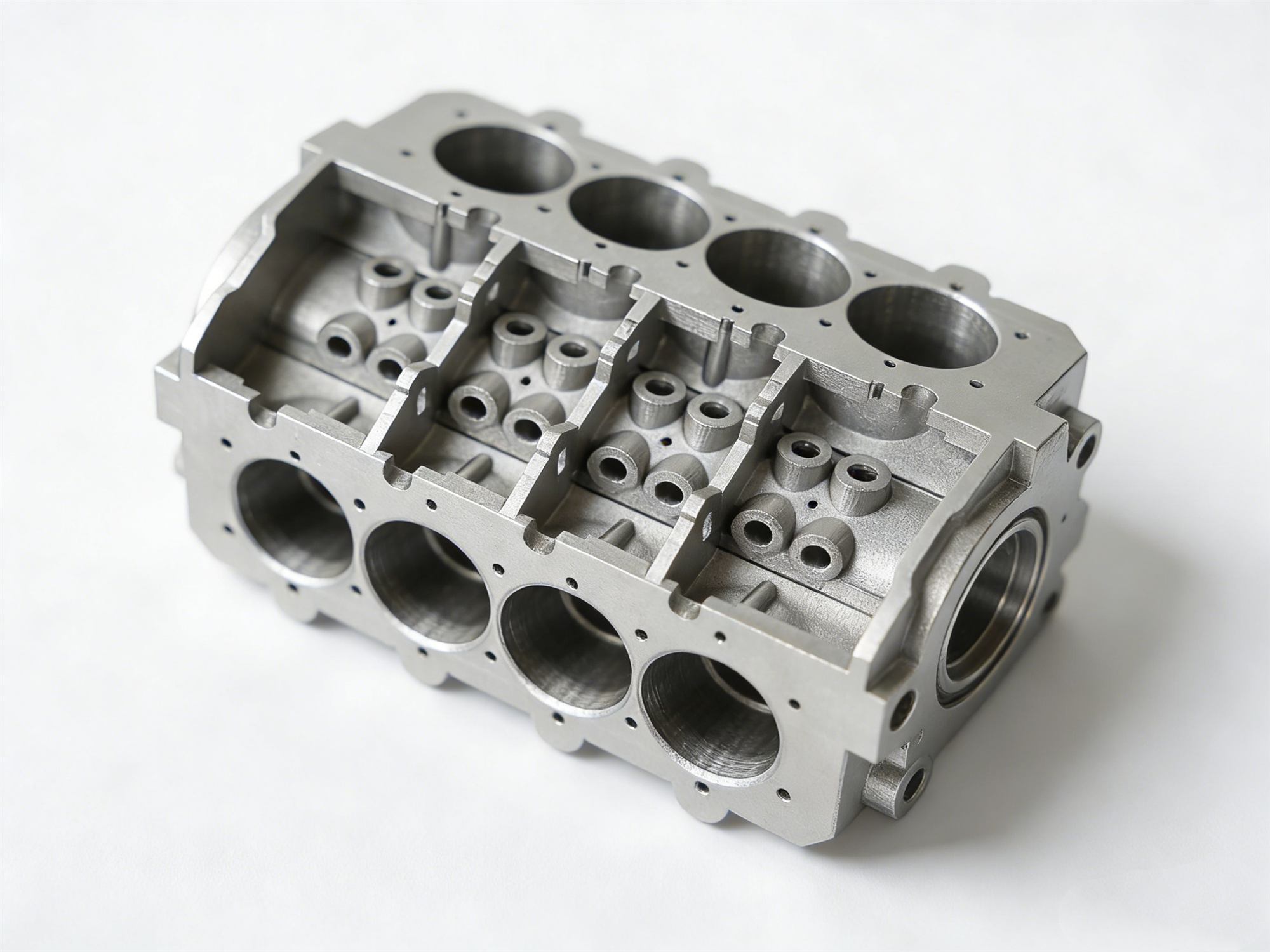
Time is money in mold making. Compared with traditional mold making, metal 3D printers dramatically reduce mold lead times and manufacturing cycles. In some cases, cycle time can be shortened by 20–40%, allowing for faster prototyping, design validation, and iteration, which translates into a real competitive advantage.
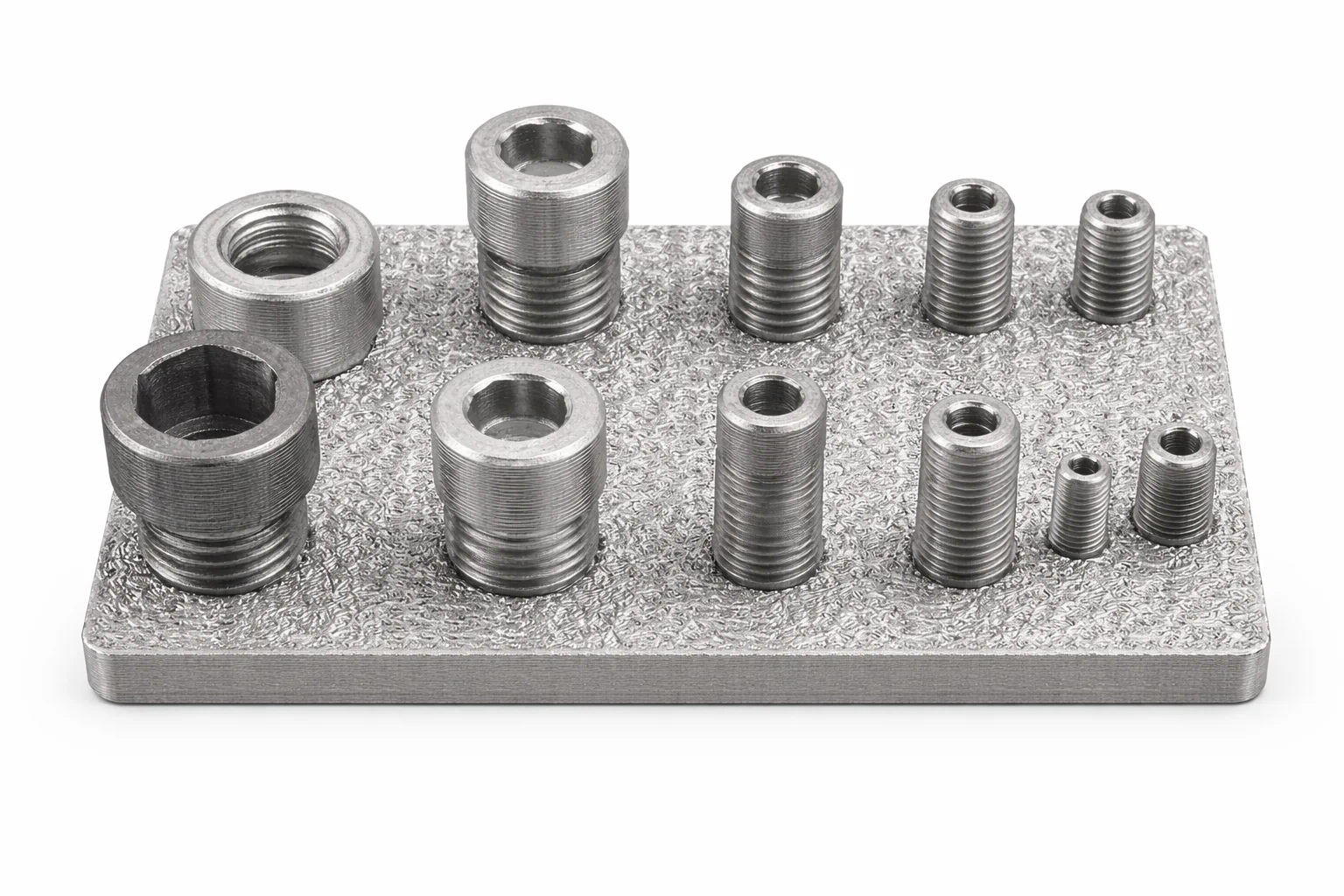
Metal 3D printing delivers high dimensional accuracy (up to ±0.05mm) and excellent repeatability. By precisely building molds layer by layer, it ensures consistent quality across multiple parts; reduces defects caused by warping, shrinkage, or thermal stress; and maintains tight tolerances throughout the production run.
Unlike traditional mold-making methods, metal 3D printing deposits material only where it is required, significantly reducing waste. This is particularly advantageous when working with high-cost alloys, allowing material utilization rates to reach 80–85% or more, which translates into substantial cost savings for complex molds.
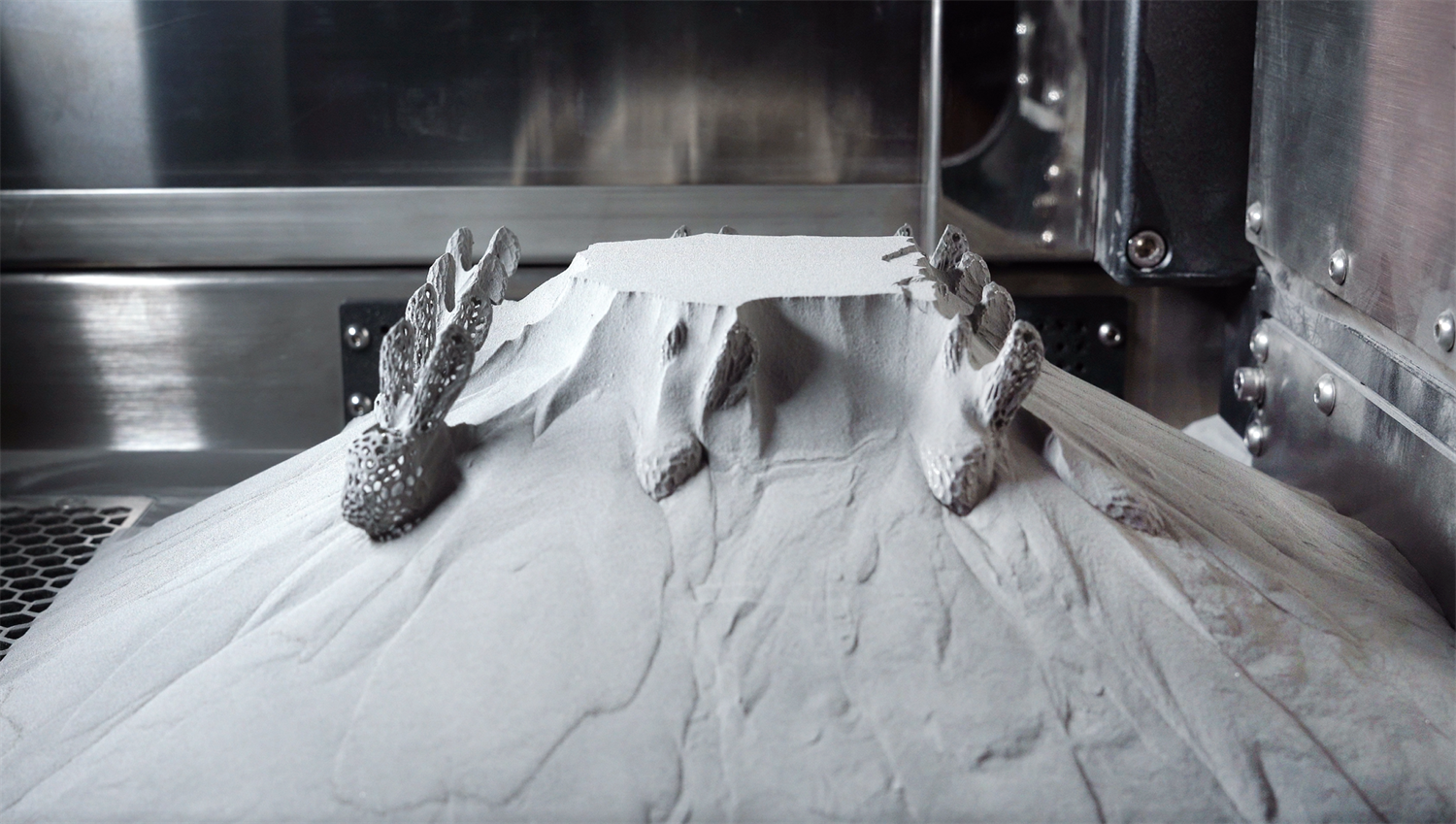
Through topology optimization and internal structural design, molds can be made lighter without compromising strength. Reduced weight improves handling and can contribute to longer mold life by reducing mechanical stress during use.
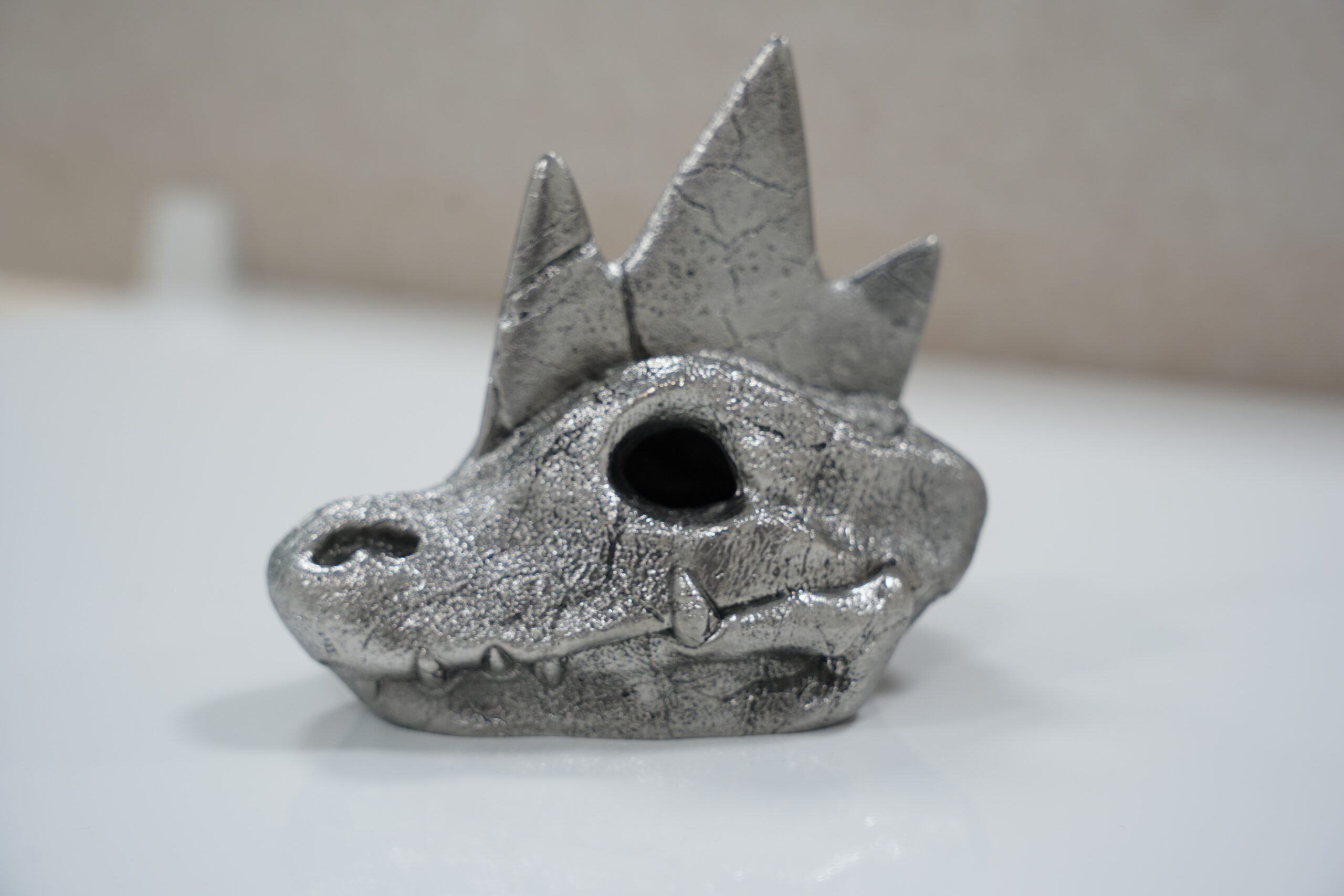
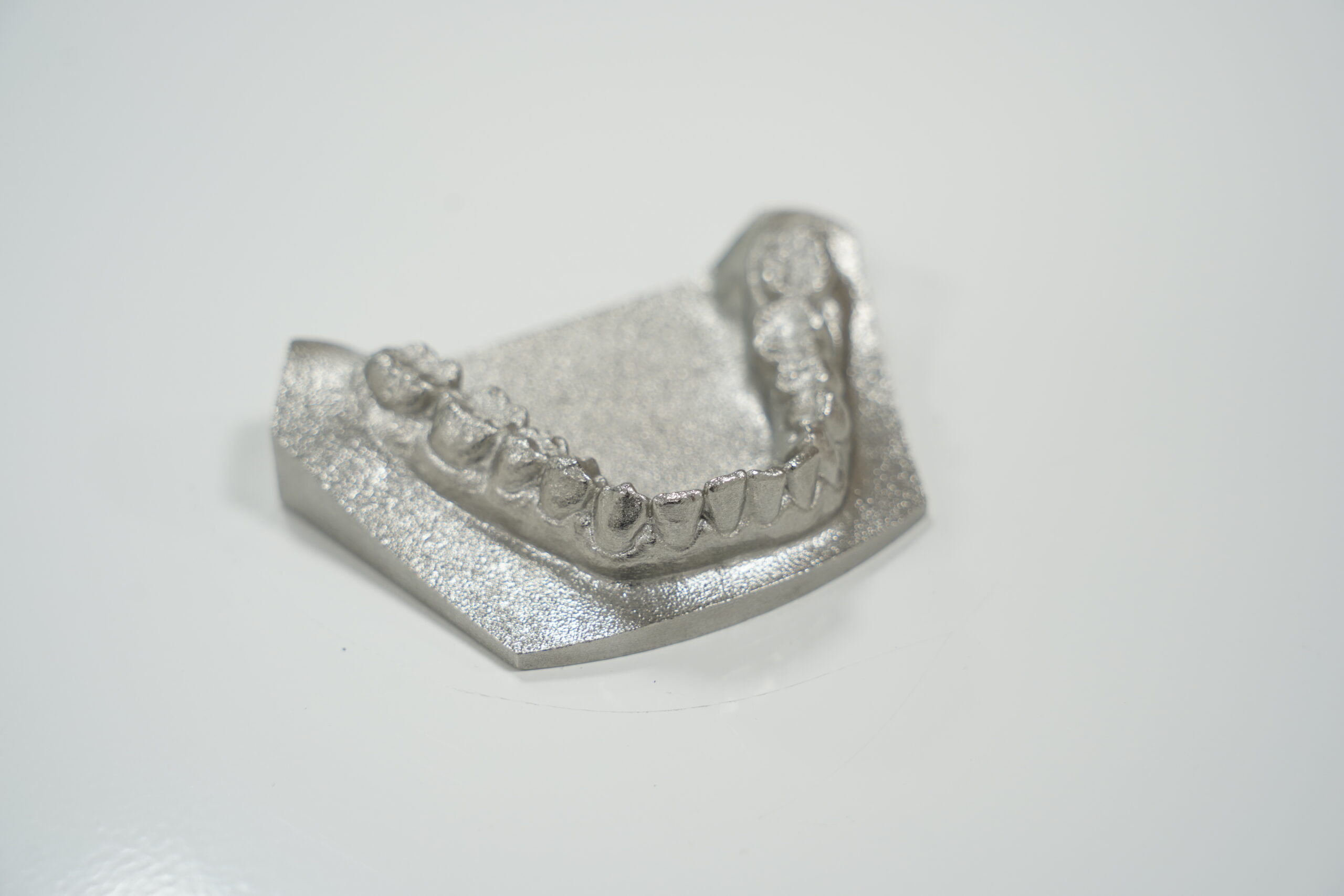
It is important to note that metal 3D printing is not intended to fully replace traditional machining. Instead, it serves as a complementary technology. In practice, many manufacturers adopt a hybrid approach:
This combination allows manufacturers to balance cost, performance, and production efficiency—using each technology where it delivers the most value.
| Feature | Traditional Methods (CNC/EDM) | Metal 3D Printing (SLM) |
|---|---|---|
| Cooling | Limited to straight drilled lines | Conformal cooling channels that follow part geometry |
| Geometry | Limited by tool access | Unlimited geometric freedom, including internal cavities and lattices |
| Lead Time | Weeks to months (multi-step, process-heavy) | Days (for complex inserts) |
| Material Waste | High (subtractive) | Low (additive, only material needed) |
| Surface Finish | Excellent after machining | Rough as-built; post-processing required for high finish |
| Best For | Mold bases, simple large parts | Cores, inserts, complex cavities |
Comparison table of Mold Making Methods
Metal 3D printing for mold making is particularly valuable in industries where complex designs, rapid iterations, or high-performance requirements are common. Key sectors include:
Benefit: reduced lead time for new model launches and faster design iteration
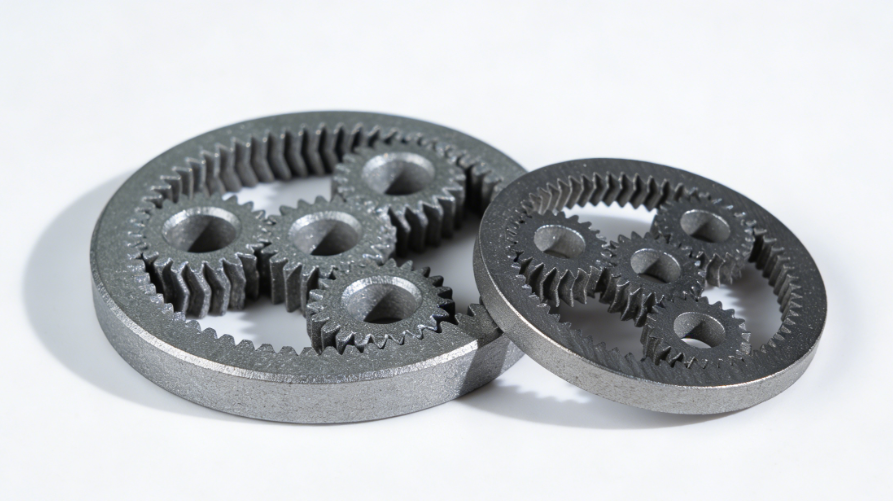
Benefit: supports fast-paced product cycles and reduces tooling costs
Benefit: high precision and repeatability, critical for regulatory compliance
Benefit: supports materials with high thermal and mechanical requirements
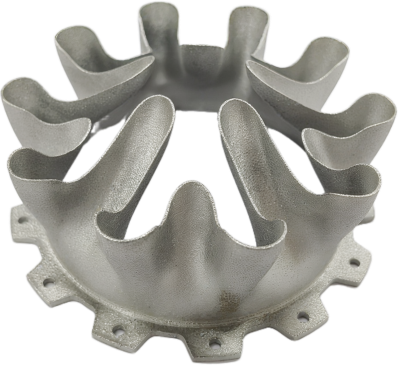
Benefit: allows rapid iteration and testing while minimizing material waste
Benefit: supports fast product development and design freedom
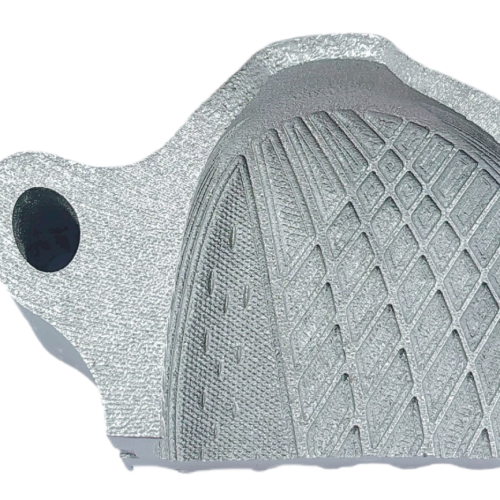
| Industry | Mold Complexity | Typical Use Case | Metal 3D Printing Advantage |
|---|---|---|---|
| Automotive & Racing | Medium-High | Injection molds, prototypes | Faster iteration, shorter lead times |
| Consumer Electronics | High | Intricate small parts | Tight tolerances, low-volume production |
| Medical Devices | High | Biocompatible molds | High precision, regulatory compliance |
| Aerospace & Aviation | Very High | Lightweight, complex molds | Conformal cooling, small-batch efficiency |
| Industrial Equipment | Medium | Prototypes and custom tooling | Reduced waste, rapid testing |
| Consumer Goods | Medium-High | Customized/luxury products | Design freedom, fast development |
Ready to Transform Your Manufacturing?
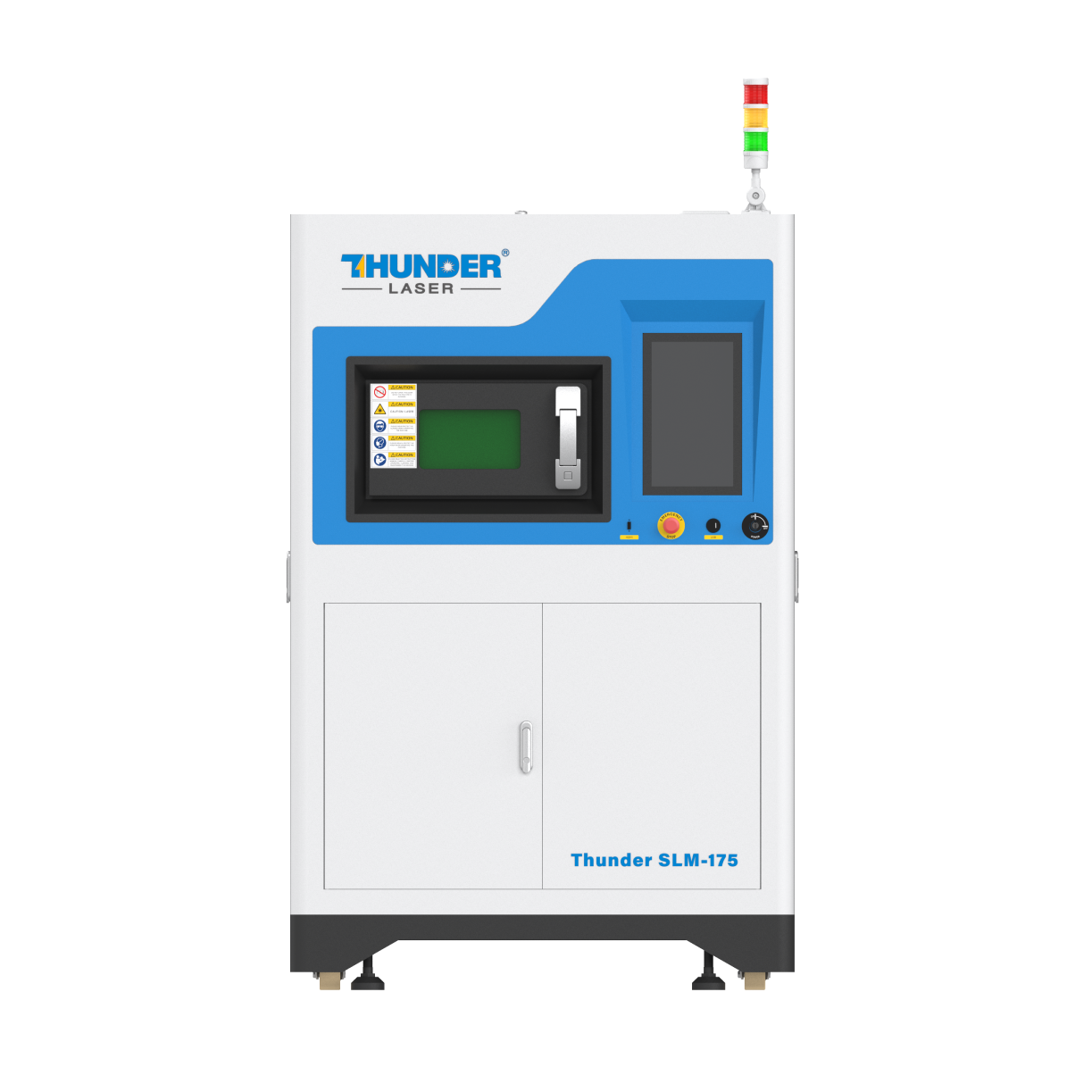
The Thunder SLM-175 offers unmatched value for professionals who need precision, efficiency, and low total cost of ownership — all in one powerful, compact machine.
Request a QuoteMetal 3D printers can process a wide range of metals, making it highly versatile for mold-making applications. For mold making applications, the following materials are the industry standards:
Commonly used for injection molds and die-casting molds, tool steels provide high hardness, wear resistance, and thermal stability. Metal 3D printing can produce complex cavities and internal cooling channels in tool steel molds that are difficult or impossible to achieve with CNC machining alone.
Lightweight and thermally conductive, aluminum alloys are ideal for rapid prototyping and low-volume mold production. They allow faster build and cooling times, helping manufacturers accelerate design validation and iterations.
Known for exceptional strength, corrosion resistance, and high-temperature performance, cobalt-chrome alloys are widely used in aerospace, medical devices, and other high-performance applications. To be specific, Copper alloys offer thermal conductivity 5-10 times higher than tool steel. Metal 3D printing allows precise, complex geometries while maintaining material integrity.
Versatile and corrosion-resistant, stainless steel is suitable for a variety of molds, including general-purpose tooling and molds exposed to harsh environments. 3D printing stainless steel ensures consistent part quality and supports intricate internal features.
Nickel alloys offer excellent high-temperature resistance, making them suitable for molds used in demanding thermal processes, such as die-casting high-temperature metals or specialized industrial applications.
Before investing in a metal 3D printing system, it’s critical to evaluate whether the technology truly aligns with your business model, production needs, and long-term strategy. The following factors will largely determine whether the investment delivers real ROI—or becomes an underutilized asset.
Metal 3D printing excels in complex mold inserts, conformal cooling, and low-to-medium volume production. If most of your molds are simple, standardized, and high-volume, traditional CNC and EDM may remain more cost-effective.
Ask yourself:
The ROI of a metal 3D printer is closely tied to how often it runs.
Many successful adopters justify the investment by using the machine across multiple product lines or departments, not just one mold project.
Metal 3D printing is not a one-step solution.
You must account for:
Having in-house post-processing—or reliable partners—is essential to control cost, lead time, and quality.
Powder materials are more expensive than bulk stock, but additive manufacturing:
Understanding material cost per insert, not just powder price per kilogram, is key.
Successful implementation requires:
Without proper training and workflow planning, the technology’s advantages are easily lost.
The short answer is: Yes—but only under the right conditions.
Metal 3D printing is not a universal replacement for traditional mold-making methods. Instead, it is a high-impact tool for specific, high-value scenarios.
It is worth the investment if:
Talk To Our Experts Now!
Please leave your contact information so that we can serve you better.
FAQS
FIND THE RIGHT LASER FOR YOUR NEXT PROJECT
Explore Thunder Laser solutions designed for different materials, workflows, and production needs.


 Stable & Consistent MachinesUnlimited ApplicationsRobust After-sales SupportFactory Direct Supply


