


Fiber Laser Cutting Machine for Metal What Materials Can It Cut?
 2026-09-15
WHAT ARE YOU LOOKING FOR?
Search Across Products, Blog Posts, Support Content, And Resources.

Fiber Laser Cutting Machine for Metal What Materials Can It Cut?
2026-09-15

Fiber laser cutting machines are primarily designed for metal processing, making them a popular choice for cutting carbon steel, stainless steel, aluminum, brass, copper, galvanized steel, titanium, and a wide range of metal alloys. However, not every metal responds to a fiber laser in the same way. Material properties such as reflectivity, thermal conductivity, alloy composition, coatings, and surface condition can all influence how suitable a metal is for laser cutting.
In this guide, we’ll look at the most common metals that can be cut with a fiber laser cutting machine, explain which materials are particularly well suited to the process, and highlight the material characteristics you should consider when evaluating fiber laser cutting compatibility.
Quick Answer: Fiber laser cutting machines are primarily used for metal cutting. They can process carbon steel, stainless steel, aluminum, brass, copper, galvanized steel, titanium, and many metal alloys. Steel and aluminum are among the most common choices, while reflective metals such as copper and brass may require suitable machine configurations. Material grade, coating, and surface condition can also affect cutting compatibility.
A fiber laser cutting machine can process a wide range of ferrous and non-ferrous metals. The most common materials include mild steel, carbon steel, stainless steel, aluminum, brass, copper, galvanized steel, titanium, and various metal alloys.
For most sheet metal applications, mild steel, carbon steel, stainless steel, and aluminum are among the most common materials processed with fiber laser cutting machines. Brass and copper are also widely cut with modern systems, but their higher reflectivity makes machine configuration more important.
Specialty metals and alloys should be evaluated more carefully. Two materials sold under the same general metal category can behave differently if their alloy composition, coating, surface finish, or material condition is different. For unfamiliar or production-critical materials, a sample cutting test is the most reliable way to confirm compatibility.
The table below provides a quick overview of common metals and their general suitability for fiber laser cutting.
| Metal | Can a Fiber Laser Cut It? | General Suitability | Main Material Consideration |
|---|---|---|---|
| Mild Steel | Yes | Excellent | One of the most common and well-suited materials for fiber laser cutting |
| Carbon Steel | Yes | Excellent | Widely used in general sheet metal fabrication |
| Stainless Steel | Yes | Excellent | Grade and surface finish can influence processing |
| Aluminum | Yes | Excellent | High reflectivity and thermal conductivity |
| Brass | Yes | Very Good | Reflective metal; machine compatibility should be confirmed |
| Copper | Yes | More Demanding | Very high reflectivity and thermal conductivity |
| Galvanized Steel | Yes | Very Good | Zinc coating can affect cutting behavior and fumes |
| Titanium | Yes | Good | Oxidation-sensitive and grade-dependent |
| Nickel Alloys | Yes | Application-Dependent | Performance varies significantly by alloy composition |
| Other Metal Alloys | Often | Application-Dependent | Exact grade and composition should be evaluated individually |
General fiber laser cutting suitability and key considerations for common metals.
Fiber laser cutting machines can process a broad range of metals, but the exact alloy and grade can influence how the material behaves during cutting. Below are some of the most common metals used in fiber laser cutting, along with representative grades, material characteristics, advantages, and applications.
Common grades: A36, AISI 1018, and other low-carbon sheet steels.
Typical composition: AISI 1018 contains approximately 0.15–0.20% carbon, with iron making up most of the balance.
Key properties:
Fiber laser cutting advantages:
Typical applications:
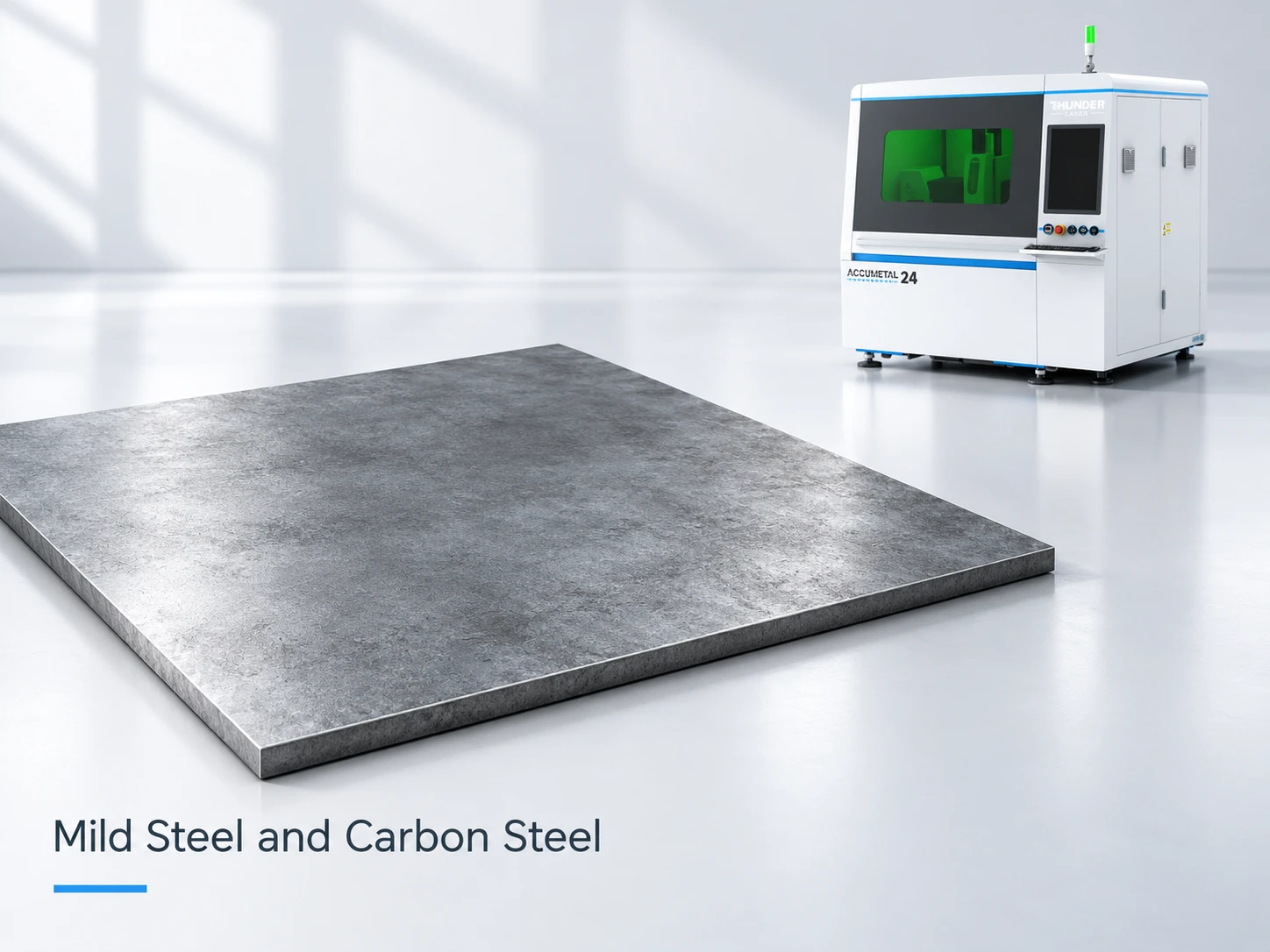
Mild steel and carbon steel samples processed with a fiber laser cutting machine.
Common grades: 304, 304L, 316, and 316L.
Typical composition:
Key properties:
Fiber laser cutting advantages:
Typical applications:
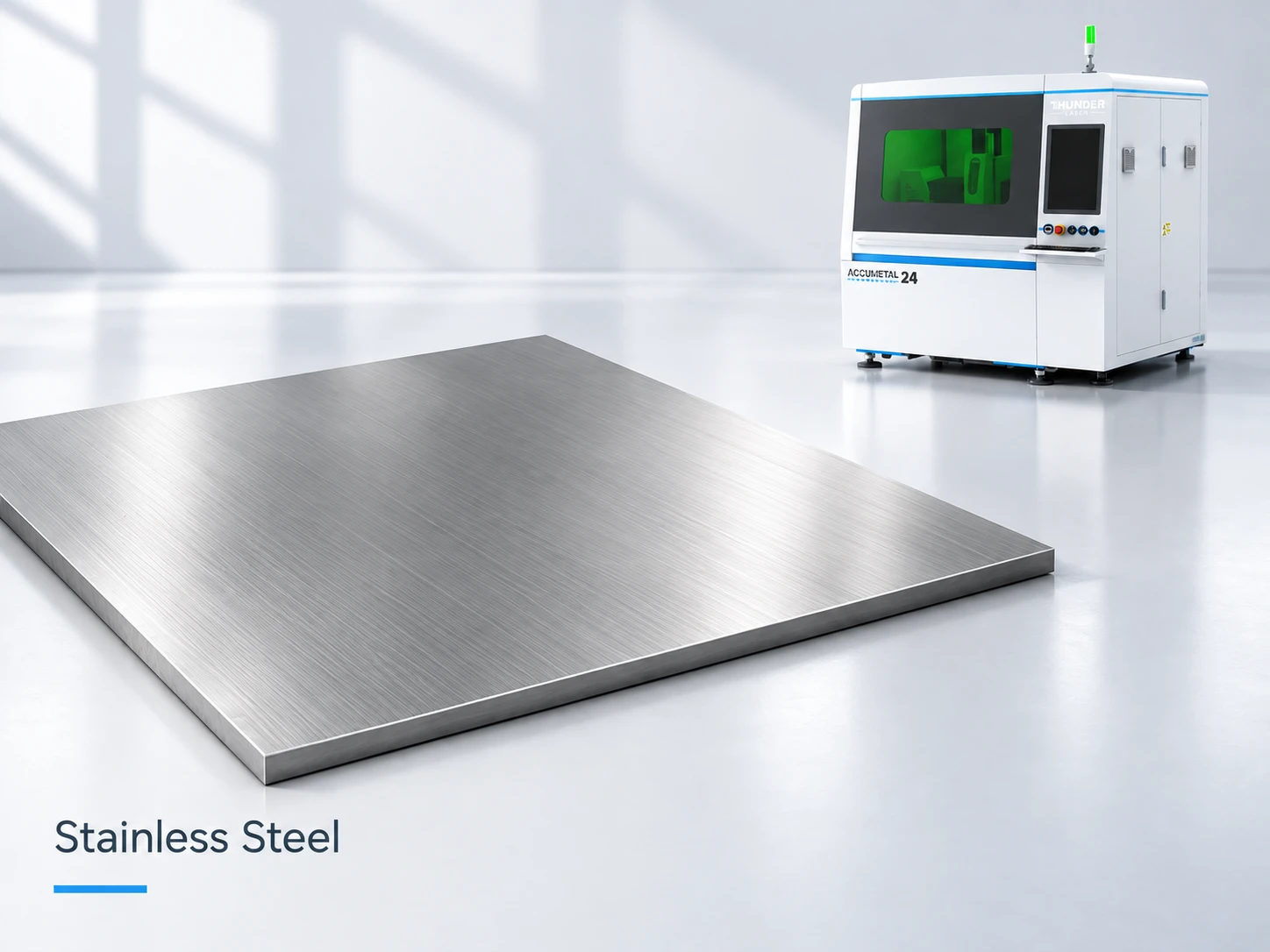
Stainless steel samples processed with a fiber laser cutting machine.
Common grades: 5052, 6061, and other sheet aluminum alloys.
Typical composition:
Key properties:
Fiber laser cutting advantages:
Typical applications:
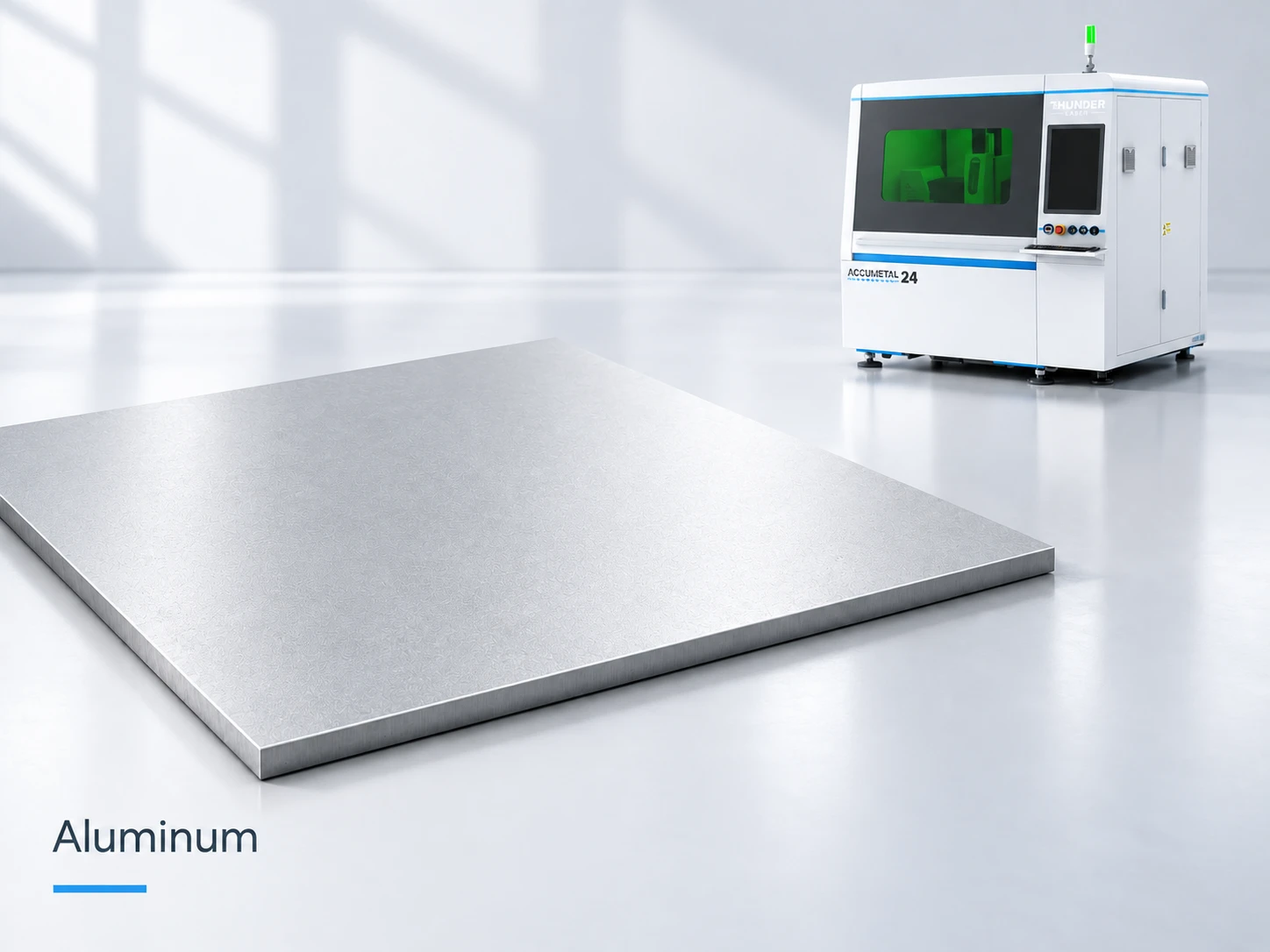
Aluminum samples processed with a fiber laser cutting machine.
Common grades: C26000 cartridge brass and other copper-zinc alloys.
Typical composition: C26000 contains approximately 68.5–71.5% copper, with zinc forming most of the balance.
Key properties:
Fiber laser cutting advantages:
Typical applications:
Important: Brass is a reflective metal, so the fiber laser cutting machine should be designed to process reflective materials reliably.
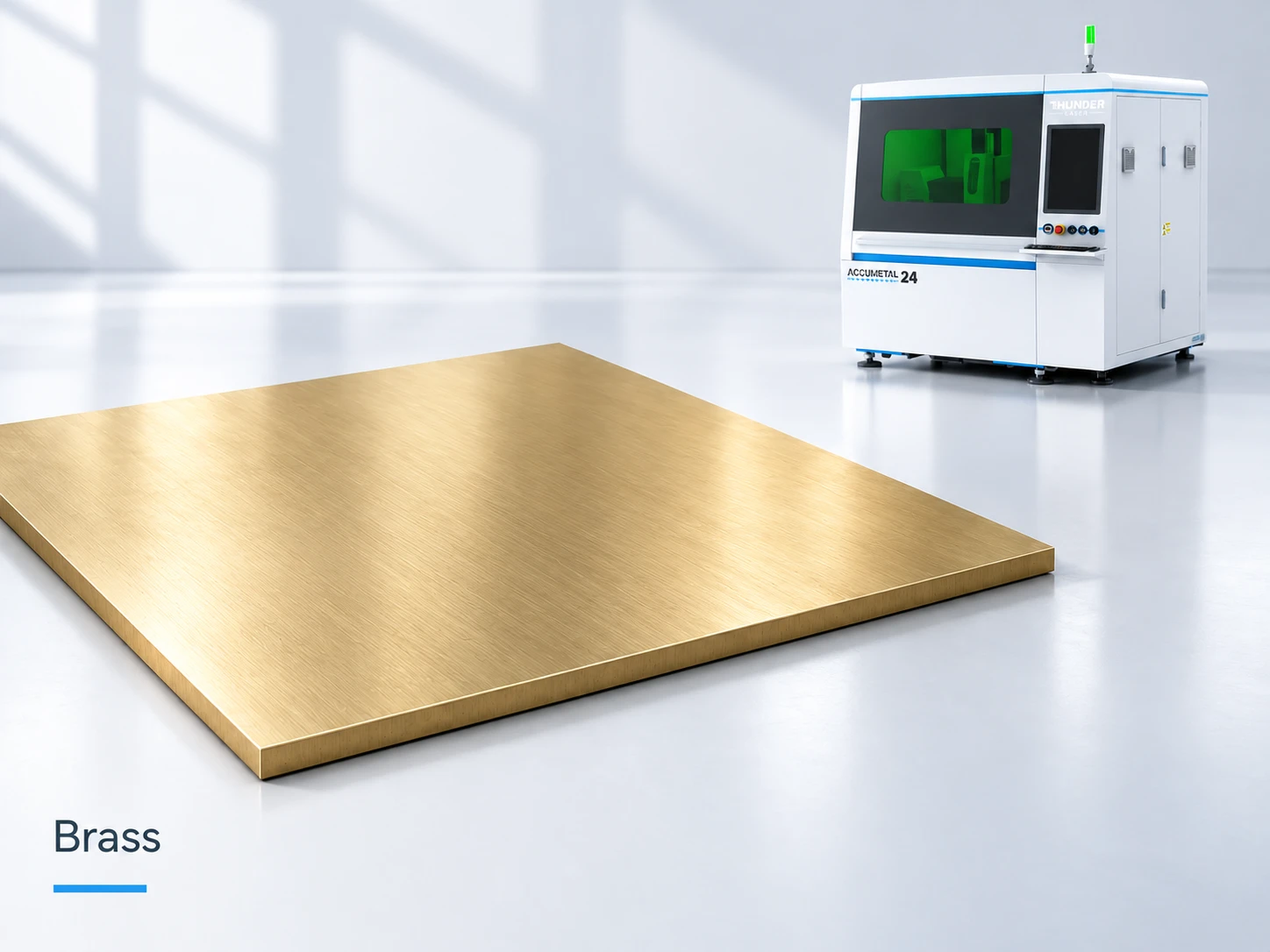
Brass samples processed with a fiber laser cutting machine.
Common grade: C11000 electrolytic tough pitch (ETP) copper.
Typical composition: C11000 contains at least 99.90% copper.
Key properties:
Fiber laser cutting advantages:
Typical applications:
Important: Copper is generally more demanding than steel because of its high reflectivity and thermal conductivity. Confirm that the specific machine is rated for copper cutting.
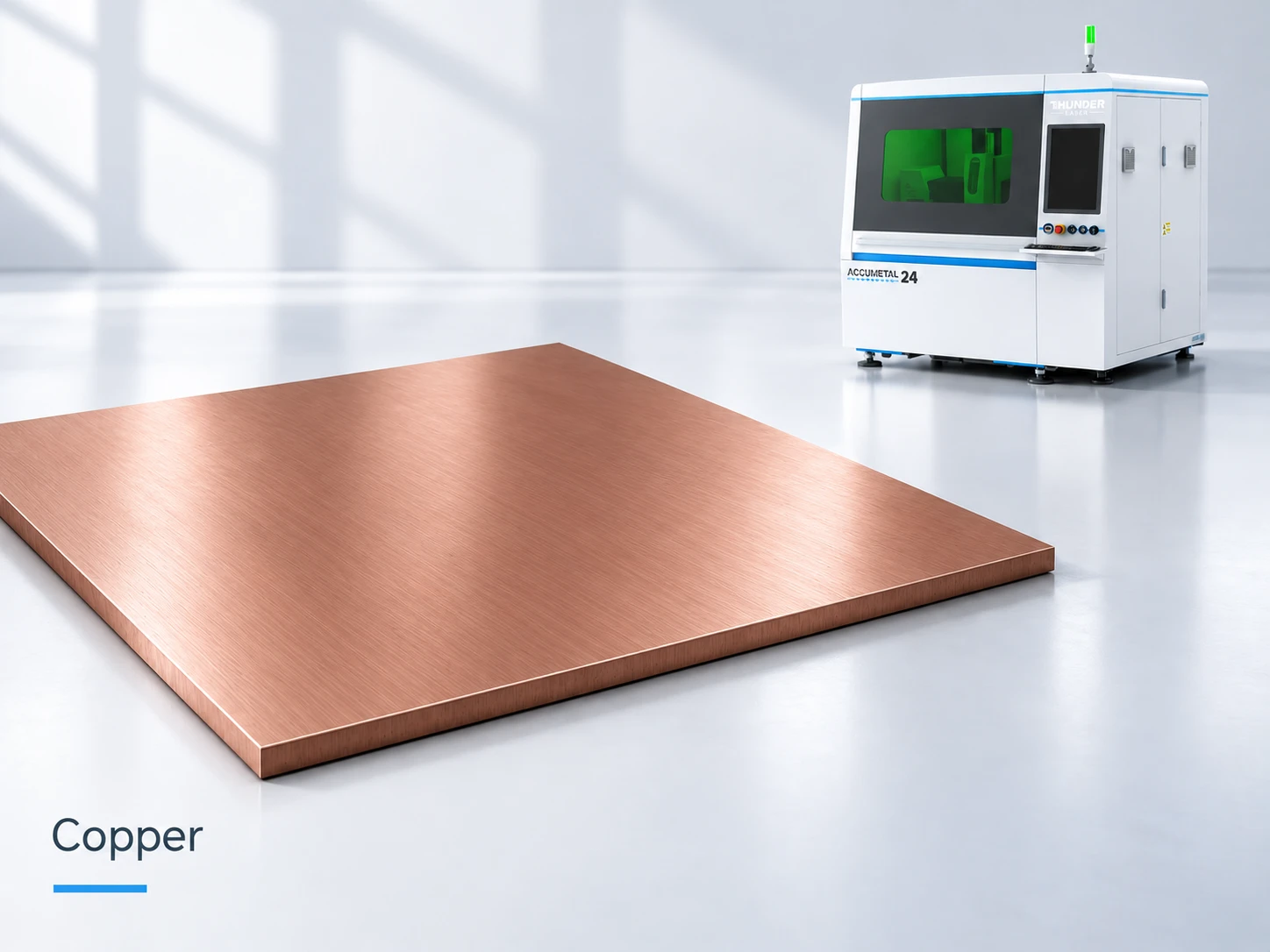
Copper samples processed with a fiber laser cutting machine.
Common material: Zinc-coated carbon or mild steel sheet.
Typical composition: The base material is usually low-carbon steel with a protective zinc coating applied to the surface.
Key properties:
Fiber laser cutting advantages:
Typical applications:
Important: The zinc coating affects cutting behavior and fume generation, so coated materials should be processed with appropriate extraction and safety controls.
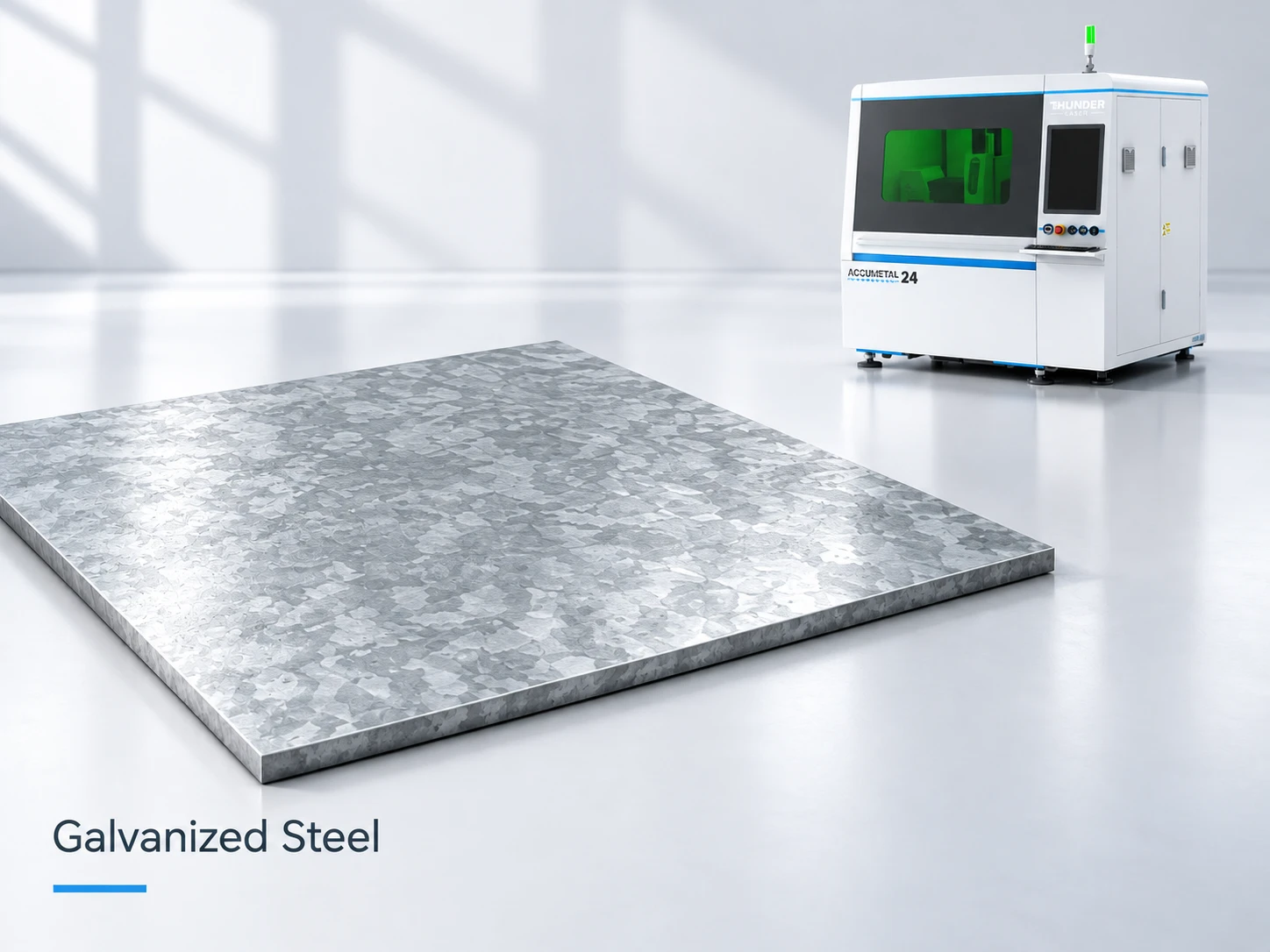
Galvanized steel samples processed with a fiber laser cutting machine.
Common grades: Grade 2 commercially pure titanium and Grade 5 Ti-6Al-4V.
Typical composition:
Key properties:
Fiber laser cutting advantages:
Typical applications:
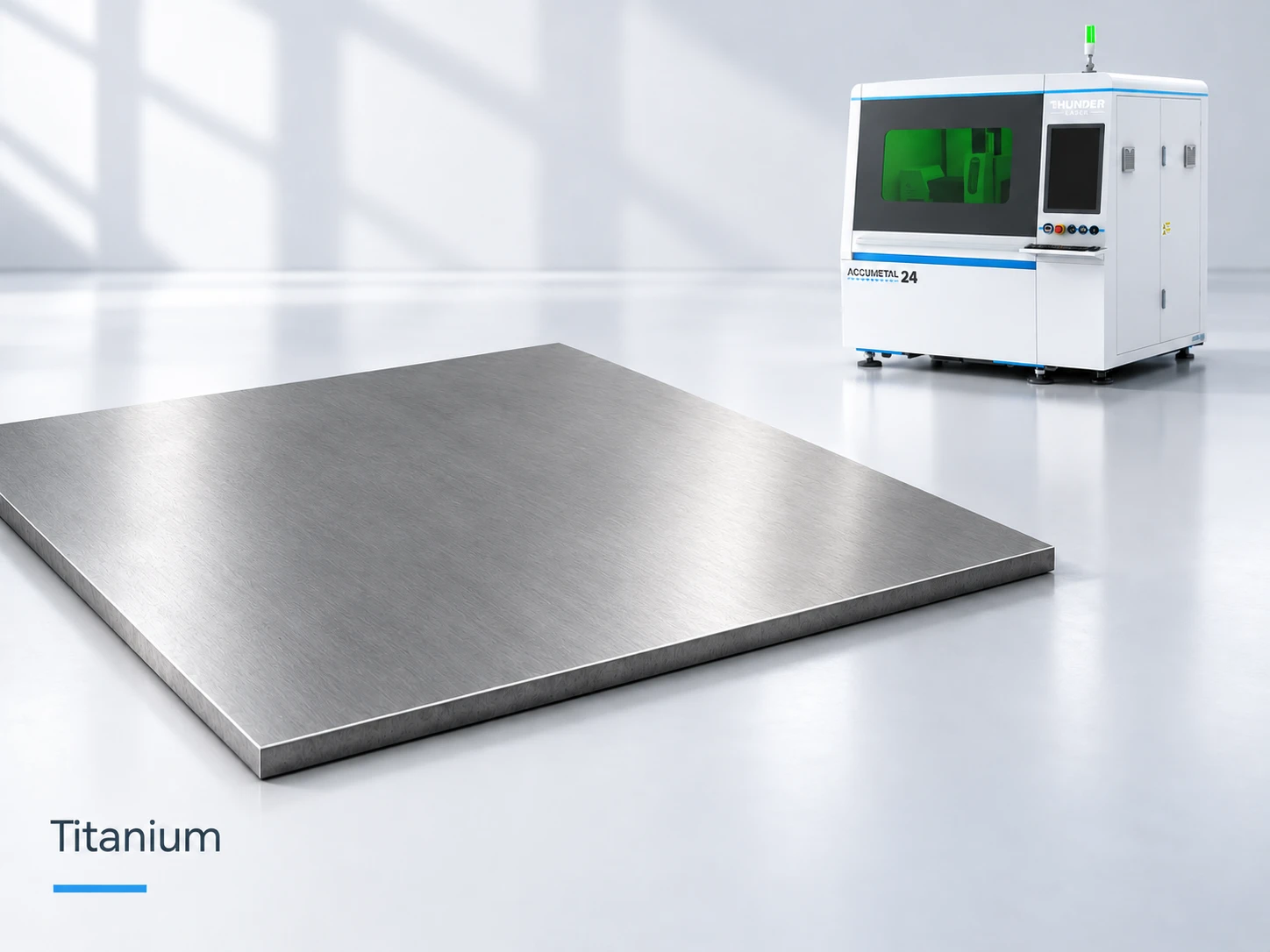
Titanium samples processed with a fiber laser cutting machine.
Common grades: Inconel 625 and other nickel-based superalloys.
Typical composition: Inconel 625 contains at least 58% nickel, approximately 20–23% chromium, 8–10% molybdenum, and 3.15–4.15% niobium plus tantalum.
Key properties:
Fiber laser cutting advantages:
Typical applications:
Important: Nickel alloys vary significantly in composition and behavior. Compatibility should be evaluated by the exact alloy grade rather than treating all “nickel alloys” as the same material.
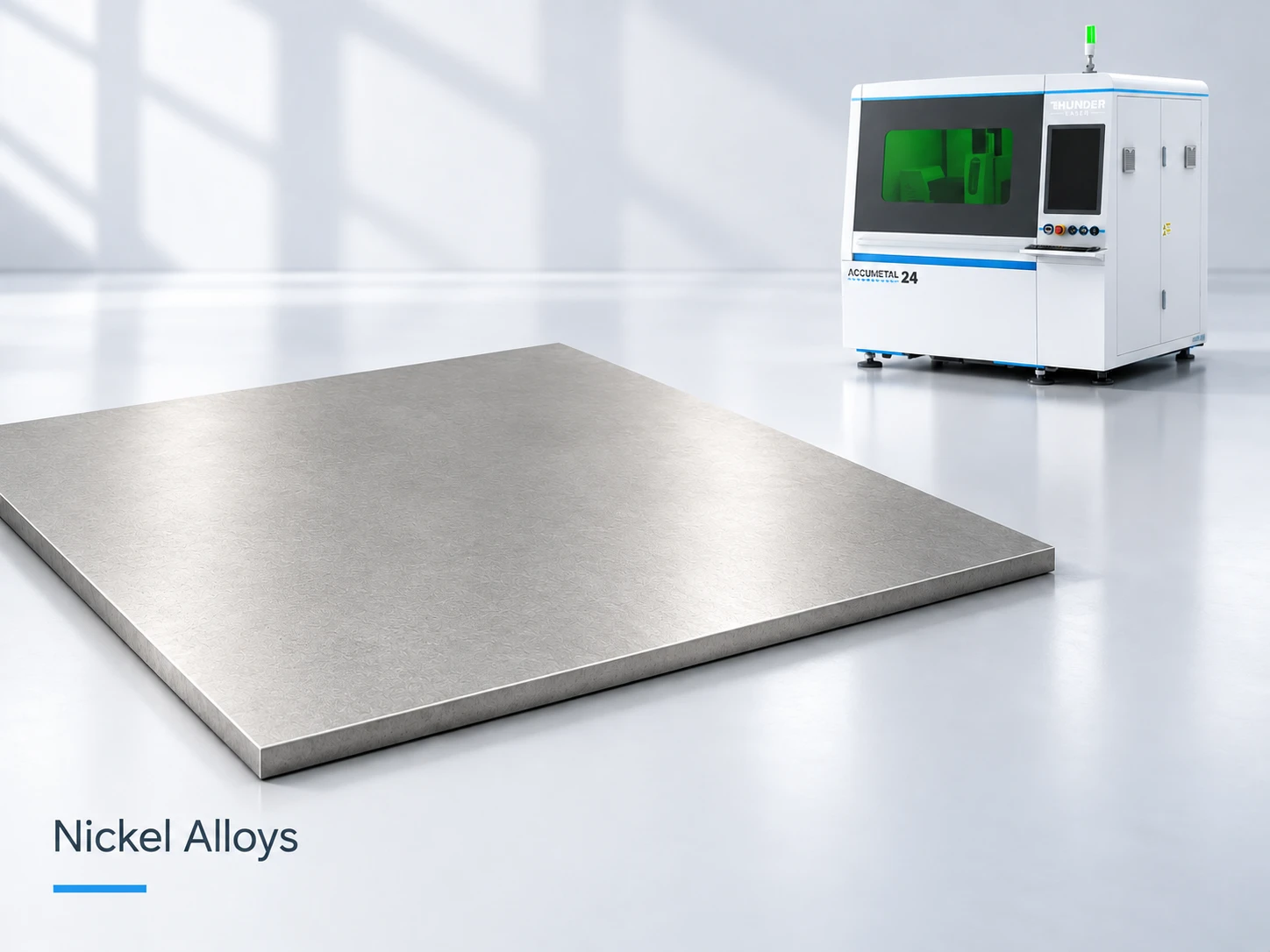
Nickel alloy samples processed with a fiber laser cutting machine.
Yes, fiber laser cutting machines can process many coated or finished metals, but compatibility depends on both the base metal and the surface coating. The metal underneath may be suitable for fiber laser cutting, while the coating can affect cutting behavior, fumes, edge quality, or process consistency.
Can it be cut? Yes.
Can it be cut? Often, yes.
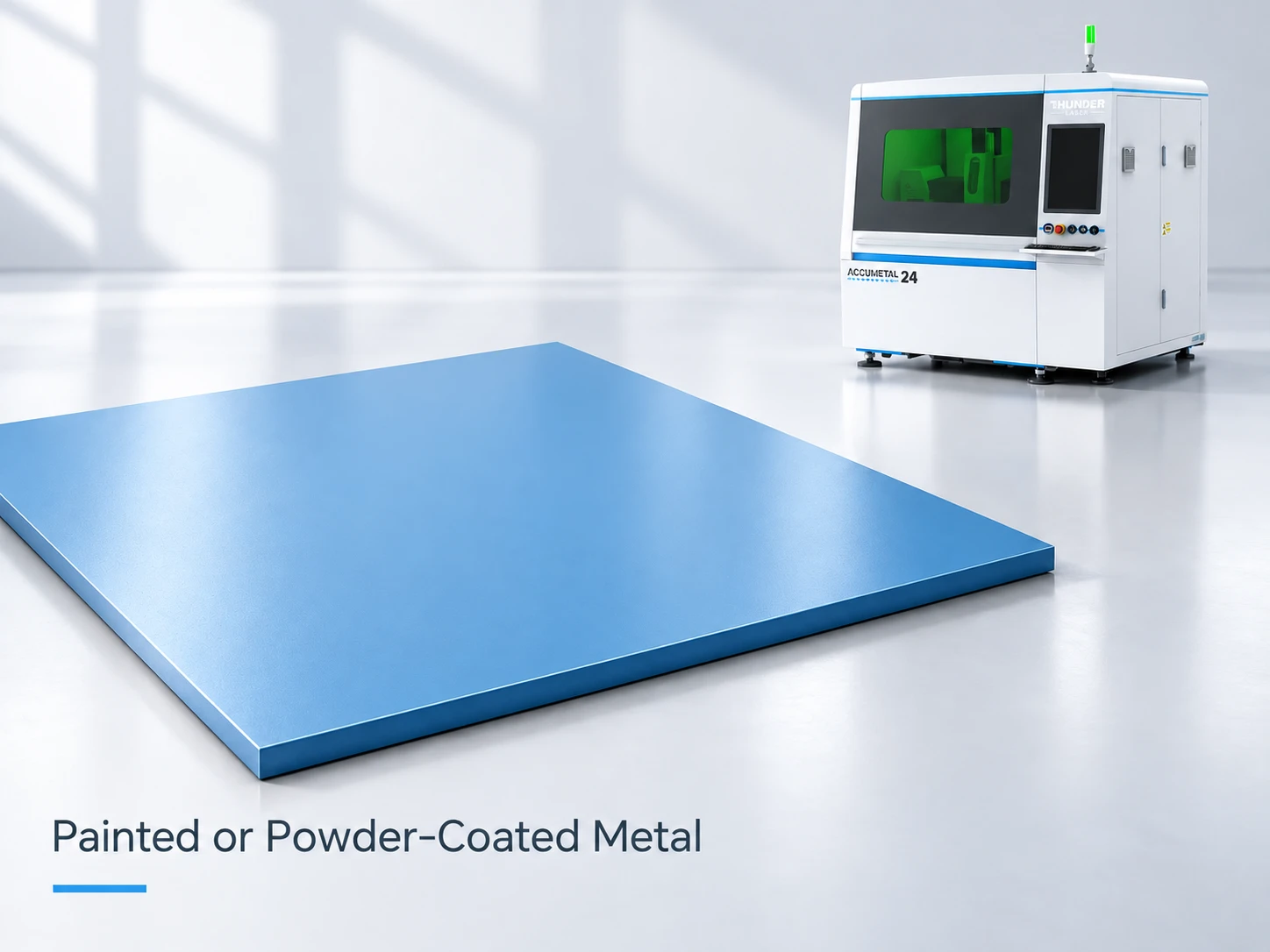
Painted and powder-coated metal samples for fiber laser cutting.
Can it be cut? Often, depending on the substrate and plating.
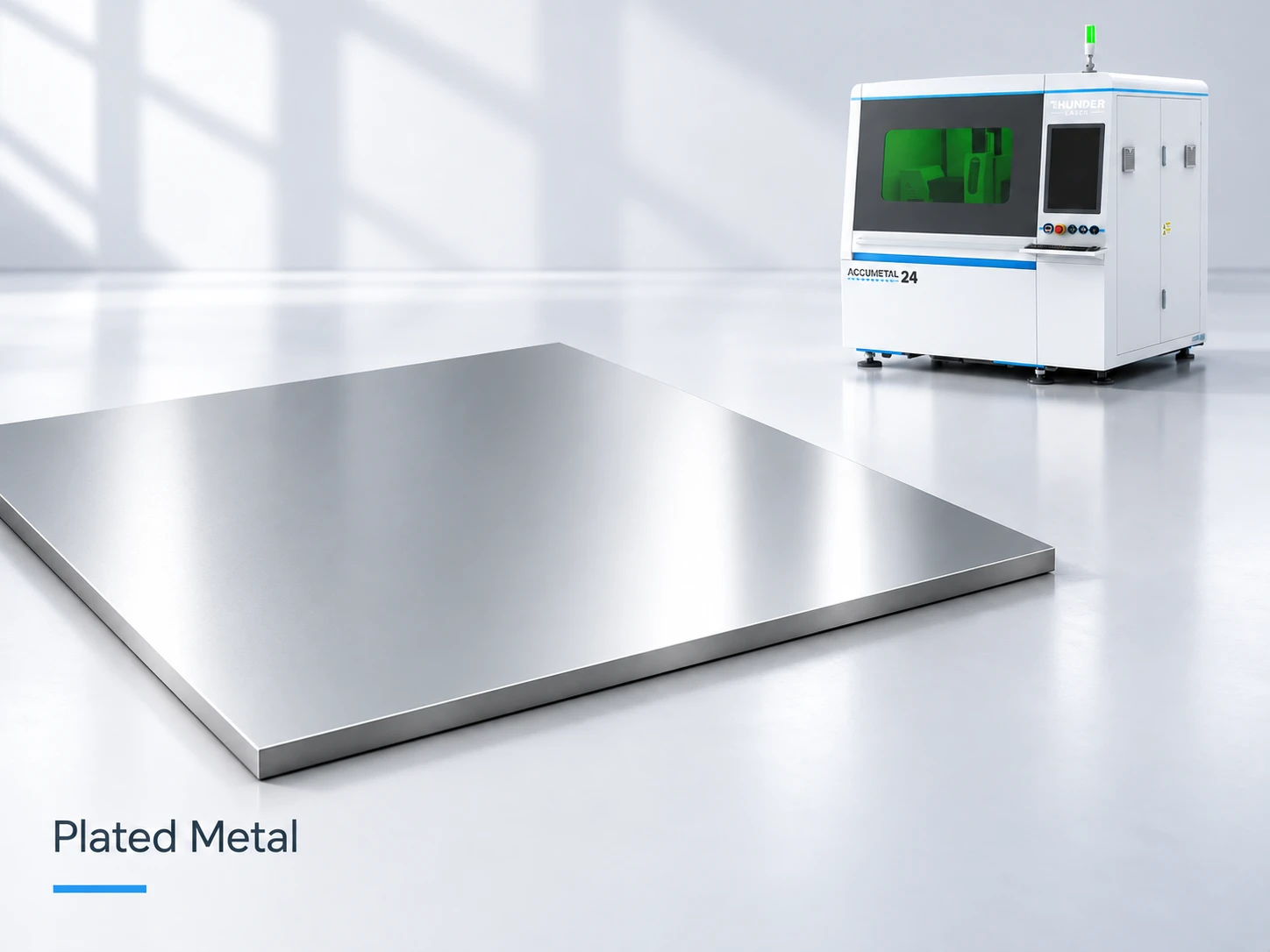
Plated metal samples for fiber laser cutting applications.
Can it be cut? Yes.
A coated metal should not be judged only by the base material. Before cutting, consider:
For unfamiliar coated materials, a sample cut is the safest way to confirm compatibility before full production.
Industrial fiber laser cutting machines are designed primarily for metal cutting. While the laser may interact with some non-metal materials, that does not necessarily make them practical or recommended for fiber laser cutting.
Materials that are not typically processed with a fiber laser cutting machine include:
The important distinction is that a fiber laser cutting machine for metal is optimized around metallic materials. If your production involves both metals and non-metals, the appropriate laser technology should be selected according to the material rather than assuming one laser source is suitable for everything.
A metal not appearing in a general compatibility chart does not automatically mean it cannot be fiber laser cut. Specialty alloys, uncommon grades, and coated metals can behave differently even when they belong to the same general material family.
Before processing an unfamiliar metal, check:
For uncommon alloys or production-critical parts, a sample cutting test is the most reliable way to confirm material compatibility before moving into full production.
Fiber laser cutting machines are built to handle a wide range of metals, from mild steel and stainless steel to aluminum, brass, copper, galvanized steel, titanium, and specialty alloys. But the right machine starts with the materials you actually need to cut—not just a general compatibility list.
Before choosing a system, confirm your metal type, grade, coating, and production requirements. For reflective metals, specialty alloys, or unfamiliar materials, a real sample cut can give you far more confidence than specifications alone.
Not sure whether a fiber laser cutting machine is right for your material? Send Thunder Laser your metal type, grade, thickness, and application requirements. Our team can help evaluate your cutting needs, recommend a suitable configuration, and arrange a sample cutting test where appropriate.
Explore the Thunder AccuMetal Series or talk to our laser experts to find the right metal cutting solution for your application.
Talk To Our Experts Now!
Please leave your contact information so that we can serve you better.
FAQS
A fiber laser cutting machine can process a wide range of metals, including mild steel, carbon steel, stainless steel, aluminum, brass, copper, galvanized steel, titanium, nickel alloys, and many other metal alloys. Exact compatibility can vary by grade, coating, surface condition, and machine configuration.
Yes. Stainless steel is one of the most common materials used in fiber laser cutting. Grades such as 304, 304L, 316, and 316L are widely used in applications including enclosures, kitchen equipment, medical components, and architectural metalwork.
Yes. Modern fiber laser cutting machines are widely used for aluminum. Common alloys such as 5052 and 6061 are frequently processed, although aluminum's relatively high reflectivity and thermal conductivity make its cutting behavior different from steel.
Yes. Brass can be cut with a suitable fiber laser cutting system. Because brass is a reflective copper-zinc alloy, it is important to confirm that the machine is designed to process reflective metals reliably.
Yes, but copper is generally more demanding than steel because of its high reflectivity and thermal conductivity. A fiber laser cutting machine intended for copper processing should be properly configured to handle reflective materials.
Yes. Galvanized steel is commonly processed with fiber laser cutting machines. The underlying steel is highly suitable for laser cutting, while the zinc coating can affect cutting behavior and fume generation.
Yes. Fiber laser cutting can be used for titanium, including common grades such as Grade 2 and Grade 5. Titanium is frequently used in aerospace, medical, marine, and precision manufacturing applications.
Often, yes, provided the underlying metal is compatible with fiber laser cutting. However, paint, powder coating, plating, anodizing, or other surface treatments can affect fumes, edge appearance, and process consistency. The coating should be identified and tested when necessary.
No. Although fiber laser cutting machines can process many ferrous and non-ferrous metals, suitability varies between alloys, coatings, grades, and surface conditions. Uncommon or specialty metals should be evaluated individually rather than assuming that all metals behave the same way.
Check the exact metal type, alloy or grade, coating, and surface condition first. Then confirm that the specific fiber laser cutting machine supports that material. For uncommon alloys or production-critical parts, a sample cutting test is the most reliable way to verify compatibility.
NEED HELP FINDING THE RIGHT SOLUTION?
Talk to our team for machine recommendations, application advice, and support based on your needs.


 Stable & Consistent MachinesUnlimited ApplicationsRobust After-sales SupportFactory Direct Supply


