What Materials Cannot Be Used for Laser Processing?
 2024-05-10
WHAT ARE YOU LOOKING FOR?
Search Across Products, Blog Posts, Support Content, And Resources.

What Materials Cannot Be Used for Laser Processing?
2024-05-10

Not every material is suitable for laser cutting, engraving, or marking. Some materials may release toxic fumes, produce heavy smoke, catch fire, melt badly, reflect the laser beam, or damage the laser machine during processing.
Before starting any laser project, it is important to confirm the material composition and understand whether the material is safe and processable. This guide explains the main types of materials that should not be used for laser processing and how to identify potential risks.
Safety reminder: Do not laser process unknown materials. If the material composition is unclear, confirm it with the supplier or manufacturer before cutting or engraving.
Some materials are unsuitable for laser processing because they can create safety risks or poor processing results. Common reasons include toxicity, odor, smoke, fire risk, melting, reflectivity, and conductivity.
Materials that are unsafe or unsuitable for laser processing can usually be grouped by the type of risk they create. The following categories are especially important for laser users to understand.
The primary principle for selecting laser processing materials is non-toxicity. This means the material should not be toxic under normal storage and use conditions, and it should not produce toxic gases, toxic smoke, or other harmful substances during laser processing.
If a material is toxic, hazardous, or produces toxic substances during laser processing, it should not be processed with a laser. This helps protect the operator, the surrounding environment, and the laser machine itself.
Some materials may not be highly toxic, but they are still unsuitable because they reflect laser energy, melt badly, burn easily, or create conductive particles that may damage electronic components.
High-reflectivity materials, such as many metals, are not suitable for non-metal laser engraving and cutting machines. These materials can reflect most of the laser beam, making it difficult for the laser to act on the surface effectively.
Reflected laser energy may also harm the machine or people nearby. For high-reflectivity materials such as metals, a suitable laser marking machine is usually recommended instead.
Thermoplastic materials are mainly plastics that melt when heated during laser processing. Because they may melt, deform, or leave messy edges, they often fail to produce the desired cutting or engraving effect.
Flammable materials are highly prone to catching fire during laser processing. These materials may create fire hazards, damage the workpiece, and potentially cause accidents if they are processed without proper control.
Conductive materials can also create risks during laser processing. Carbon fiber is one example that requires careful handling. If micro-particles or dust are produced during processing, these conductive particles may damage electronic components and cause short circuits.
Important note: Do not choose materials that may damage the machine or wiring during processing. Machine malfunctions caused by unsuitable materials may not be covered under warranty.
If conditions allow and the test can be performed safely, a simple flame test can help determine whether a material contains chlorine. This test usually requires clean copper, platinum, or iron wire, an alcohol lamp or gas flame torch, and a small sample of the material to be tested.
The general method is to burn the metal wire in the flame until it reaches a stable color. Then use the burned wire to scrape a small amount of the material and place it back into the flame. If the flame turns green, it indicates that the tested material contains chlorine.
Perform any flame test only in a safe, controlled, and well-ventilated environment. If you are not trained to perform the test safely, ask the material supplier for composition information instead.
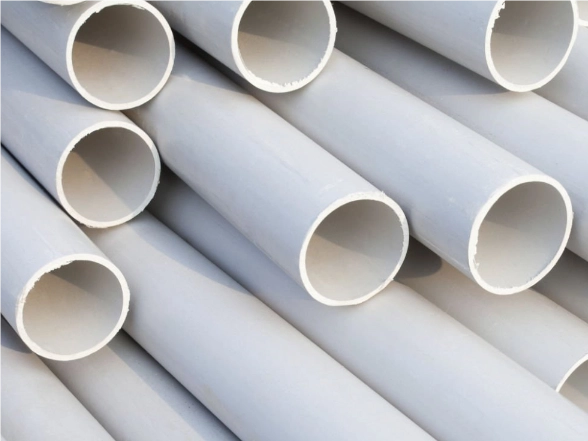
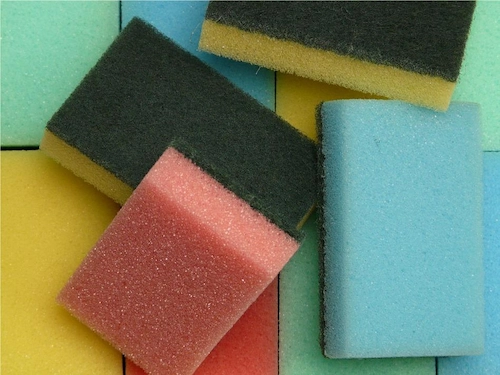
Materials that are toxic, smoky, flammable, easy to melt, highly reflective, or conductive may be unsafe or unsuitable for laser processing. Examples include PVC, HDPE, foam sponge, Lexan, resins, high-reflectivity metals for non-metal laser machines, and carbon fiber.
The safest approach is to confirm the material composition before processing, avoid unknown materials, and choose materials that match your laser type and intended process. Careful material selection helps protect both the user and the laser machine.
When in doubt, do not process the material. Safety, material compatibility, and machine protection should always come before project speed.
Talk To Our Experts Now!
Please leave your contact information so that we can serve you better.
UNSAFE LASER PROCESSING MATERIALS FAQS
FIND THE RIGHT LASER FOR YOUR NEXT PROJECT
Explore Thunder Laser solutions designed for different materials, workflows, and production needs.


 Stable & Consistent MachinesUnlimited ApplicationsRobust After-sales SupportFactory Direct Supply