Laser Safety Protection Guide: Hazards, Controls, and Best Practices for CO2 Laser Cutting
 2022-09-04
WHAT ARE YOU LOOKING FOR?
Search Across Products, Blog Posts, Support Content, And Resources.

Laser Safety Protection Guide: Hazards, Controls, and Best Practices for CO2 Laser Cutting
2022-09-04

Laser cutting machines are powerful manufacturing tools, but they also require careful safety planning. A well-designed CO2 laser cutting machine combines controlled laser energy, mechanical motion, electrical systems, ventilation, cooling, and operator procedures. When any of these areas is ignored, the risk of injury, fire, equipment damage, or material-related hazards can increase.
This guide explains the common inherent hazards of laser processing equipment and shows how practical safety features, user training, personal protective equipment, and safe material choices can help create a safer laser cutting workflow.
A laser cutter should never be treated as a fully unattended machine. Even when protection features are installed, operators should monitor the process, understand the materials being processed, and keep suitable fire protection equipment nearby.
Laser processing equipment can involve several types of risk at the same time. These risks are not limited to the laser beam itself. Mechanical movement, electrical power, noise, heat, smoke, fumes, and the processed material can all affect operator safety and machine reliability.
Mechanical hazards come from the movement of machine components, auxiliary devices, manipulators, or robots. Sharp edges, moving parts, and unexpected collisions can create risks during operation, loading, maintenance, or troubleshooting.
Laser cutting equipment can involve high-voltage and high-current components. Electrical hazards may cause electric shock, equipment damage, fire, or serious injury if the power system, grounding, wiring, or protective devices are not properly designed and maintained.
In certain high-voltage conditions, unshielded components may also create secondary risks such as ozone or X-ray generation. For this reason, operators should not remove covers, bypass interlocks, or modify electrical circuits without qualified technical support.
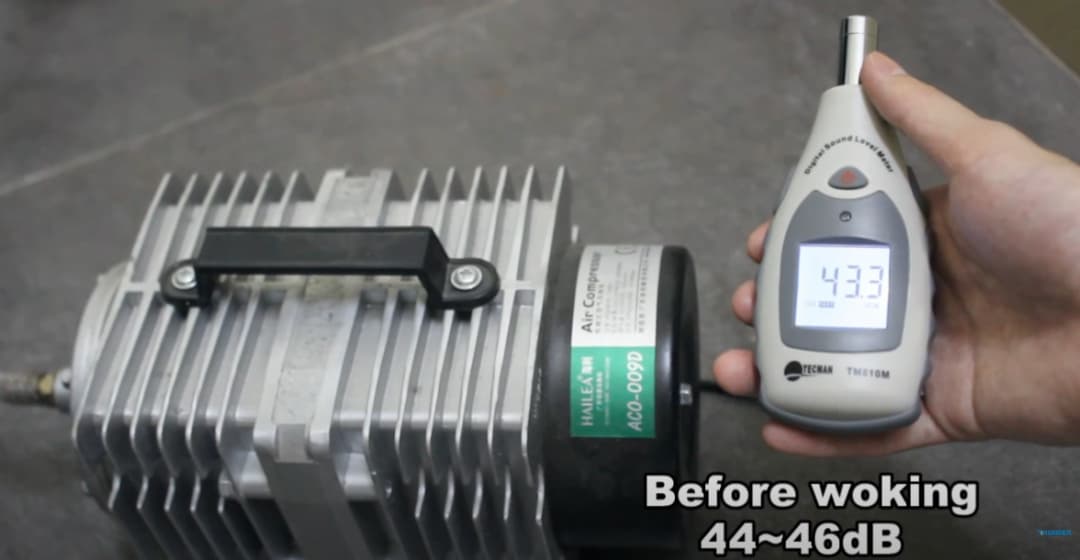
Laser cutting systems may produce noise from several sources, including exhaust or dust removal equipment, vacuum pumps, cooling water pumps, and heat dissipation fans. If the total noise intensity becomes too high and operators lack proper protection, discomfort or hearing-related health issues may occur.
Excessive noise exposure may contribute to headache, tinnitus, arrhythmia, elevated blood pressure, and noise-induced hearing loss. As a general safety goal, the sound pressure level of laser processing equipment should be controlled so that it does not exceed 75 dB(A).
Laser cutting uses concentrated heat to process materials, so fire and thermal hazards must be taken seriously. These hazards can affect both the operator and the worksite. Burns, smoke, ignition, component damage, or fire may occur if materials, ventilation, or monitoring procedures are unsuitable.
Radiation hazards may come from direct laser beams, reflected laser beams, and other radiation-related risks. Eye protection, protective viewing windows, interlocks, and proper enclosure design are important parts of a safe laser cutting environment.
Some materials can produce hazardous fumes or corrosive byproducts when exposed to high laser temperatures. Material selection is therefore a critical part of laser safety protection.
PVC is a common example. Although PVC may be physically cut by a laser, heat treatment can generate hydrochloric acid and toxic fumes. For safety and equipment protection, PVC should not be laser cut, because the fumes can endanger the operator and corrode the laser system.
The Nova Series is designed with multiple protection details that support safer daily operation. These features do not replace operator training or supervision, but they help reduce common mechanical, electrical, noise, and fire-related risks when the machine is used correctly.
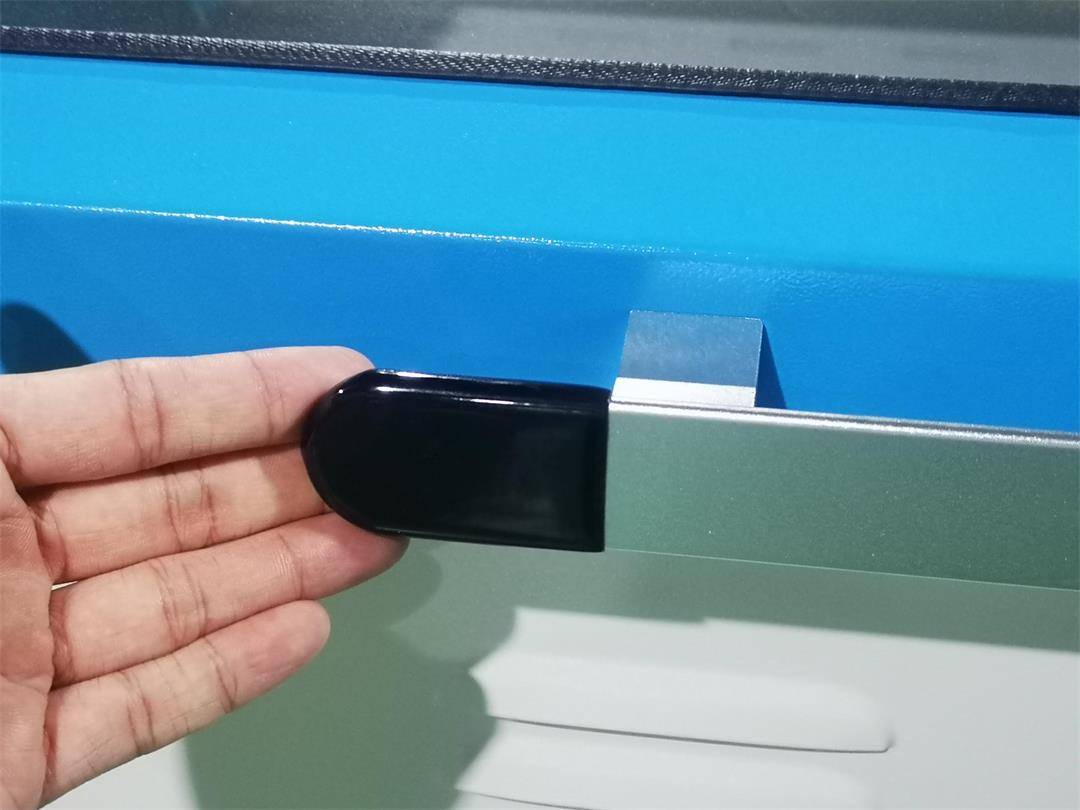
To help reduce the risk of injury from sharp edges or corners, the Nova Series uses protective covers around sharp corner areas. This detail is especially useful in shared working environments where users, visitors, or children may be near the machine.
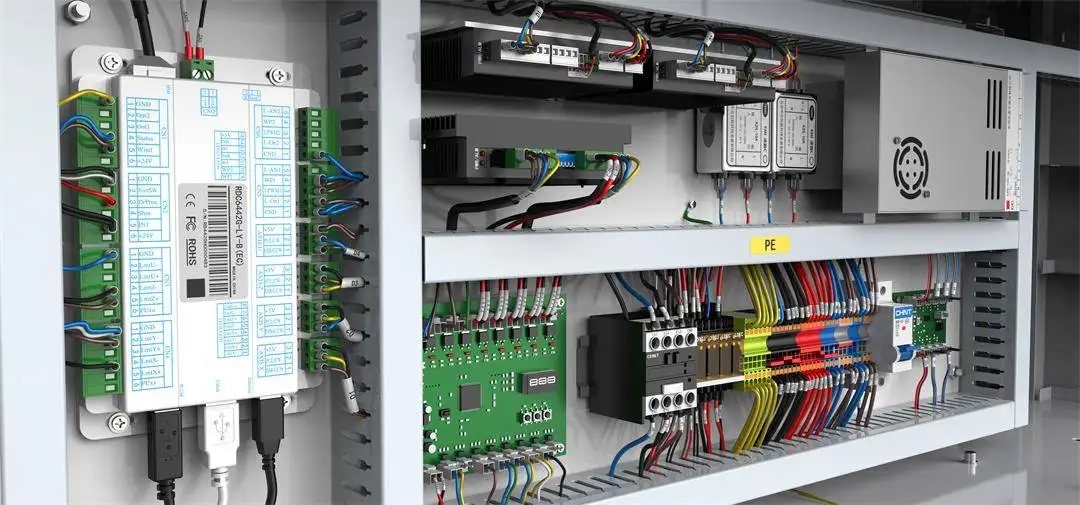
Mechanical and electrical systems can create serious hazards if protection circuits are incomplete or bypassed. The Nova Series uses a double-protection design in the electrical control system to support safer operation and emergency response.
The emergency stop is designed to shut down the machine immediately when an accident or abnormal condition occurs. Operators should know where the emergency stop is located before starting any job.
Open-flap protection helps stop laser operation when the front cover is opened. This type of interlock protection helps reduce exposure risk during normal operation.
A breaker is included as a protective device to help prevent shock and fire risks related to electrical faults. It is an important part of the overall electrical protection system.
Proper earthing helps protect users from electric shock. The grounding condition should be checked according to the machine manual and local electrical requirements before operation.
The laser machine enclosure helps control operating noise, while many common noise sources come from external or auxiliary equipment. Low-noise air assist and exhaust fan solutions can help improve comfort in the working environment.
Thunder CO2 machines include a flame detector as a standard protection feature. However, this does not mean the laser can be left unattended. Users should continue to monitor the machine throughout the cutting or engraving process.
Fire protection features are designed to support operator awareness, not replace supervision. Always stay near the laser cutter while it is running, especially when processing combustible materials.
Safe laser operation depends on both machine protection and operator behavior. Users should receive training on potential hazards, control measures, manufacturer operating procedures, emergency response, personal protective equipment, and safe daily operation.
Safety glasses or other suitable eye protection may be required to protect against radiation, particles, debris, or accidental exposure. The correct protection depends on the laser wavelength, power, enclosure, viewing window, and work process.
The glass laser safety viewing windows installed in Thunder Lasers, together with safety interlocks, are designed to provide protection and conform to published safety standards. When selecting additional protective eyewear for relevant laser systems, users should look for a CE certified solution that specifies the 1060 nm to 1085 nm wavelength range and an optical density of at least OD 4+.
Fire suppression is one of the most important parts of laser cutter safety. Operators should always keep a properly maintained and inspected fire extinguisher nearby and make sure it is suitable for the workshop environment.
Thunder recommends a carbon dioxide fire extinguisher or a Halotron extinguisher for laser machine environments. A carbon dioxide extinguisher leaves no residue, while a Halotron extinguisher emits a clean, easily removable substance that is not harmful to the mechanics or wiring of the laser system.
A standard multi-purpose dry-chemical extinguisher may be used in some situations, but it can leave abrasive and corrosive residue that is difficult to clean and may damage electronics, mechanical parts, bearings, fans, and other components.
Material safety should be checked before every new cutting or engraving job. A material that looks easy to cut may still produce toxic fumes, corrosive gases, heavy smoke, or fire risk when exposed to a laser beam.
PVC is one of the most important materials to avoid because laser processing may produce hydrochloric acid and toxic fumes. These byproducts are harmful to people and may corrode the machine. Unknown plastics, coated materials, and chemically treated products should also be checked carefully before laser processing.
Effective laser safety is not only about one feature or one piece of protective gear. It is a complete workflow that combines safe machine design, operator training, correct material selection, fire prevention, ventilation, personal protection, and regular inspection.
By understanding the hazards and following responsible operating procedures, users can reduce risks while getting more consistent results from their laser cutting machine.
Choose a Laser Cutter with Safety in Mind
Explore Thunder Laser machines and supporting equipment designed for reliable, practical, and safer laser processing workflows.
Contact UsTalk To Our Experts Now!
Please leave your contact information so that we can serve you better.
LASER SAFETY PROTECTION FAQS
FIND THE RIGHT LASER FOR YOUR NEXT PROJECT
Explore Thunder Laser solutions designed for different materials, workflows, and production needs.


 Stable & Consistent MachinesUnlimited ApplicationsRobust After-sales SupportFactory Direct Supply