



Laser Engraving Features and Types
 2024-05-07
WHAT ARE YOU LOOKING FOR?
Search Across Products, Blog Posts, Support Content, And Resources.

Laser Engraving Features and Types
2024-05-07
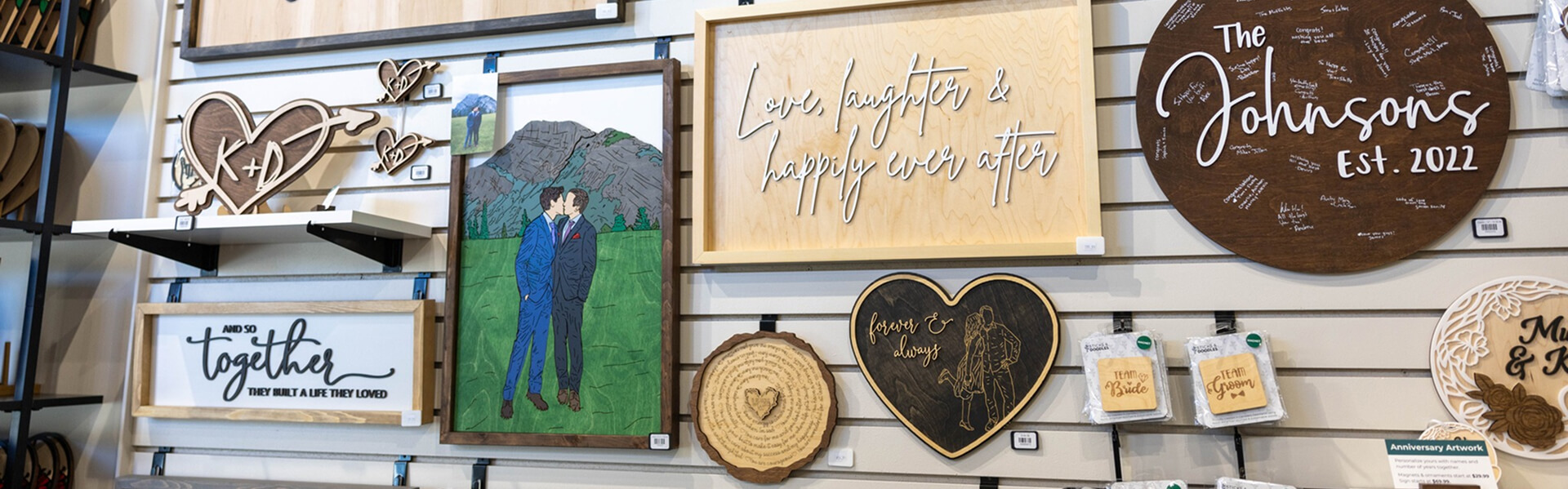
Laser engraving is a common process category in practical laser applications. Understanding its features and types can help users choose suitable settings, prepare better design files, and create more consistent laser projects.
This guide explains the key characteristics of laser engraving and introduces several common engraving types, including shallow engraving, deep engraving, relief engraving, recessed engraving, raised engraving, vector engraving, and photo engraving.
Compared with other laser processes such as cutting and vector marking, laser engraving has its own process characteristics. The following points are important to understand before setting up an engraving job.
Laser engraving can be classified in several ways. Based on engraving depth and effect, it can be divided into shallow engraving, deep engraving, and relief engraving. Based on the laser emission area, it can be divided into recessed engraving and raised engraving. Based on the pattern file type, it can be divided into vector engraving and photo engraving.
These classifications may overlap. For example, one project may be raised engraving, deep engraving, and vector engraving at the same time.
Shallow engraving refers to laser engraving with a depth of less than 0.5 mm. In general, shallow engraving uses lower power than deep engraving. Because the laser effect on the material is weaker, shallow engraving usually produces a lighter color.
All materials that can be laser engraved can use shallow engraving. Due to thickness limitations, some thin materials are only suitable for shallow engraving.
Deep engraving refers to laser engraving with a depth greater than 0.5 mm. In general, deep engraving uses higher power than shallow engraving. Higher power increases the engraving depth and also strengthens the laser’s effect on the material.
As a result, deep engraving usually creates both a deeper cut and a darker color, giving the finished work stronger contrast. Deep engraving can also meet specific needs, such as filling the engraved area with pigment, inlaying decorations, or placing components.
Only materials with a thickness above 2 mm are suitable for deep engraving. Deep engraving is not recommended for thin materials less than 1 mm thick.
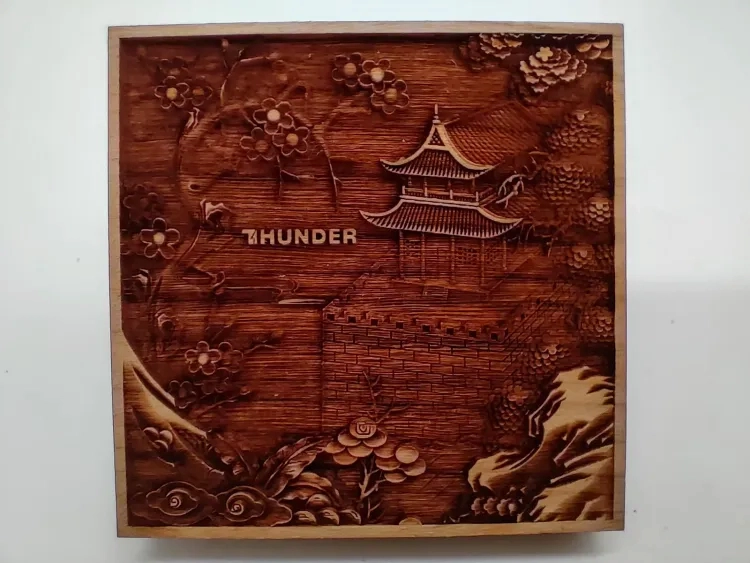
Whether deep or shallow, standard engraving usually aims to create a relatively flat bottom with a relatively uniform depth, similar to a planographic print effect. Relief engraving is different because it creates a more obvious three-dimensional effect, with significant depth differences across the entire work.
Relief engraving uses a special design file, usually a processed grayscale image. Because this type of engraving requires a wider range of depth variation, thicker material is needed to achieve better results.
In laser engraving, recessed engraving refers to a process where the pattern area is engraved by the laser while the background area is not engraved. This can create the effect of the pattern area being recessed or discolored, making it a very common laser process.
Raised engraving refers to a process where the pattern area is not engraved while the background area is engraved. This can create the effect of the background being recessed or discolored, leaving the pattern visually raised. Raised engraving is generally less common than recessed engraving.
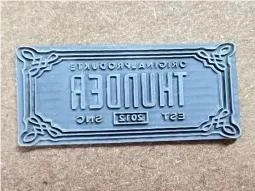
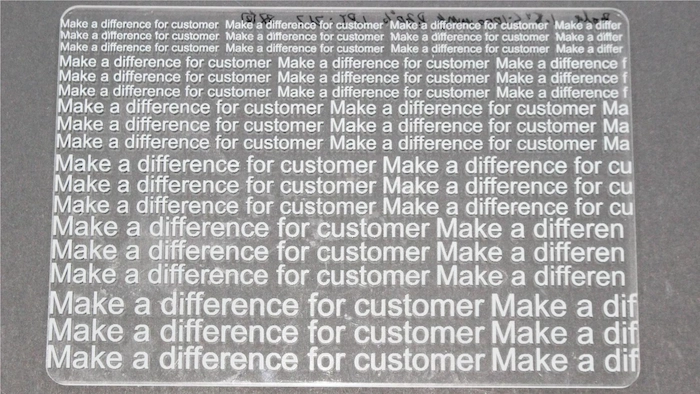
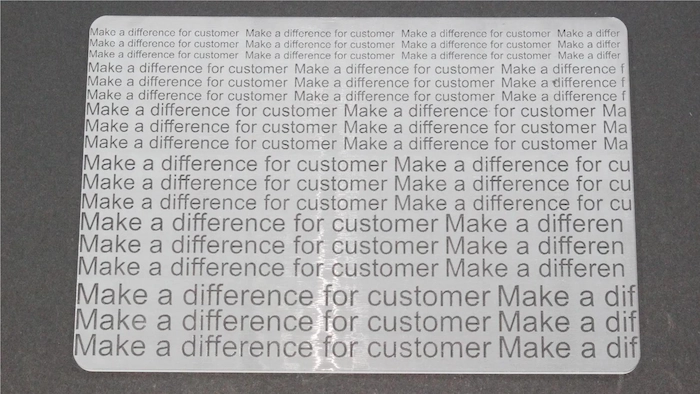
Vector engraving refers to engraving where the design file is a vector graphic. The text engraving examples above are vector engravings. A vector graphic is composed of points and lines. It can be drawn with design tools, created in LaserMaker, imported from an image library, or prepared with external design resources.
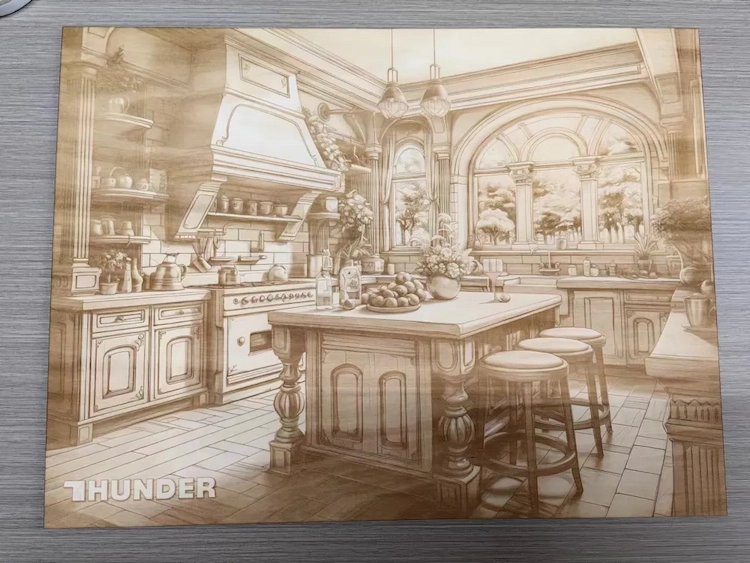
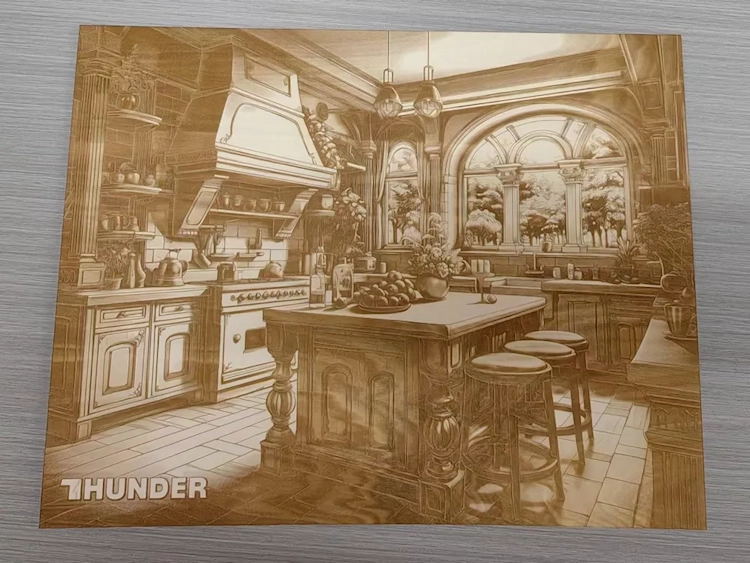
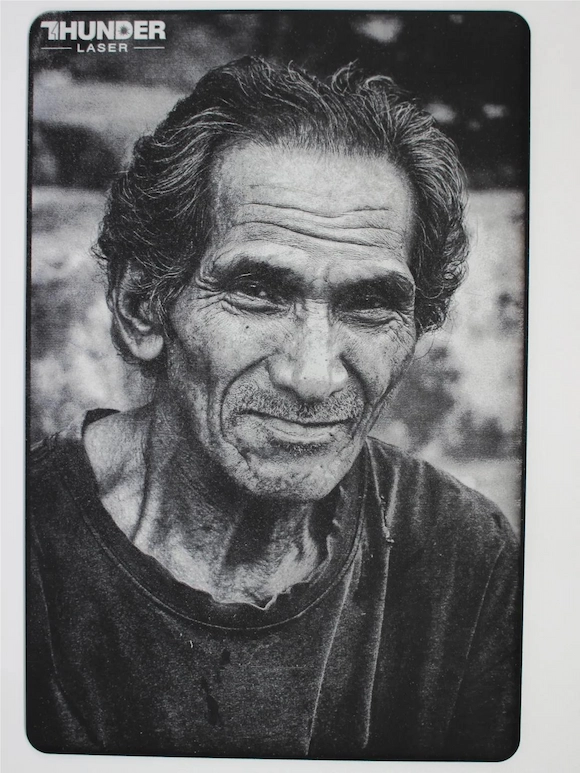
Photo engraving refers to engraving where the design file is a photograph. Not all photos are suitable for laser engraving. If a photo is selected randomly without screening or processing, the engraving quality may be poor.
To achieve a better photo engraving effect, first select a high-resolution photo with a clear subject and bright image quality. After selecting the photo, image processing is usually needed, including composition adjustment, exposure adjustment, color adjustment, and final sharpening.
Due to space limitations, this article does not cover the detailed photo processing workflow.
Laser engraving has unique process characteristics in speed, power, airflow, DPI, filling method, and laser head movement. Understanding these features helps users prepare better files and choose suitable settings for different engraving effects.
Different engraving types can create different visual and physical results. Shallow engraving is suitable for lighter surface effects, deep engraving creates stronger depth and contrast, relief engraving creates a three-dimensional effect, recessed and raised engraving control which area is processed, and vector or photo engraving depends on the design file type.
Before starting a project, consider the material thickness, desired depth, design file type, and visual effect. These factors will help you choose the right laser engraving method for your work.
Talk To Our Experts Now!
Please leave your contact information so that we can serve you better.
LASER ENGRAVING FEATURES AND TYPES FAQS
FIND THE RIGHT LASER FOR YOUR NEXT PROJECT
Explore Thunder Laser solutions designed for different materials, workflows, and production needs.


 Stable & Consistent MachinesUnlimited ApplicationsRobust After-sales SupportFactory Direct Supply