Antifreeze Advice for CO2 Laser Cutter
 2024-01-13
WHAT ARE YOU LOOKING FOR?
Search Across Products, Blog Posts, Support Content, And Resources.

Antifreeze Advice for CO2 Laser Cutter
2024-01-13

When winter temperatures drop, the cooling system of a CO2 laser cutter may become vulnerable to freezing. If the water circulation system freezes, it can affect machine performance and may cause serious equipment damage.
To keep your laser system safe and productive during cold weather, it is important to choose suitable antifreeze, use it correctly, and check the cooling system before restarting the machine. This guide explains how to select antifreeze, how to apply it, and what precautions to follow in winter.
In cold winter conditions, maintaining the smooth operation and service life of a CO2 laser cutter becomes especially important. Choosing the right antifreeze and using it correctly can help protect the water circulation system and reduce the risk of freezing damage.
When the ambient temperature drops below 5°C or 41°F, using only pure water in the cooling system may cause the circulating water to freeze. Once freezing occurs, the cooling system may become blocked or damaged. Adding an appropriate amount of antifreeze is therefore an important winter maintenance step.
Since there is no dedicated laser antifreeze commonly available on the market, it is recommended to choose antifreeze from reputable brands and avoid using ethanol as a substitute, as it may damage the equipment. When selecting antifreeze, consider the following points.
Based on the characteristics of laser cooling systems, Thunder Laser recommends two types of antifreeze for winter use.
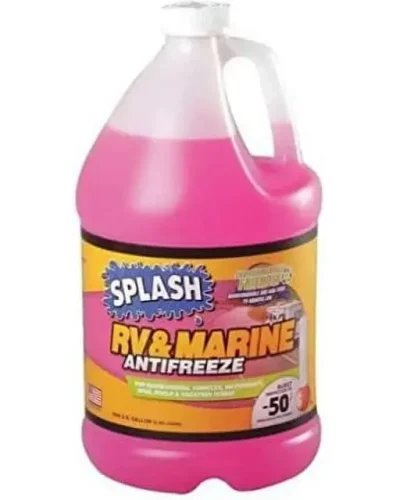
Ready-to-use antifreeze at 100% concentration, such as pink RV antifreeze, can be used directly without dilution.
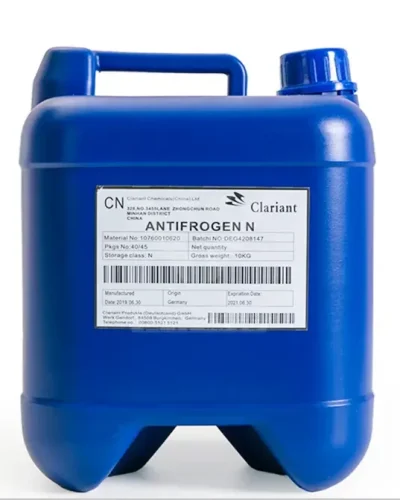
Concentrated antifreeze should be diluted with softened water before use. The recommended ratio is 3:7, meaning 3 parts antifreeze to 7 parts softened water.
Note: The CW-5000 chiller has a maximum water capacity of 5L.
The CW-3000 chiller has a maximum water capacity of 8L.
Proper antifreeze use is just as important as selecting the right product. The following tips can help protect the cooling system while keeping the laser cutter ready for winter operation.
Higher antifreeze concentration may provide stronger freezing protection, but it can also increase corrosiveness. As long as the antifreeze performance is maintained, a lower effective concentration is generally preferable.
Antifreeze may deteriorate over time, which can increase corrosiveness and change viscosity. It is recommended to replace the antifreeze annually. During summer, pure water can be used as a substitute when antifreeze protection is not needed.
Try to use antifreeze from the same brand. Even if different products have similar main components, their formulas may not be identical, and mixing them may lead to unwanted reactions or sedimentation.
Before restarting the CO2 laser cutter in winter, check whether the water circulation system is frozen. One way to check is by draining the circulating water. If the water flow is significantly reduced or normal drainage does not occur, the system may be frozen.
If freezing is suspected, power off the related equipment to prevent further damage. Then use a warm air blower or similar tool to raise the temperature of the chiller and help melt the ice. After the ice has completely melted, carefully inspect the chiller and related equipment to make sure the water circulation is unobstructed before restarting the machine.
Choosing and using the right antifreeze is essential for the normal winter operation of a CO2 laser cutter. With proper preparation and regular checks, you can reduce freezing risk and keep your laser workflow stable during the cold season.
Winter conditions should not compromise your laser cutting workflow. By selecting a suitable antifreeze and applying it correctly, you can help prevent freezing, reduce corrosion risk, and support the long-term reliability of your equipment.
Follow the recommended practices, inspect the cooling system regularly, and use high-quality products. With the right antifreeze strategy, your CO2 laser cutter can work more safely and reliably throughout the cold season.
Winter maintenance starts with the cooling system. Check temperatures early, prepare antifreeze before freezing conditions arrive, and never restart the machine if you suspect the water circulation system is frozen.
Talk To Our Experts Now!
Please leave your contact information so that we can serve you better.
CO2 LASER CUTTER ANTIFREEZE FAQS
Power off the related equipment first. Then gently warm the chiller to melt the ice, inspect the system carefully, and restart the machine only after water circulation is unobstructed.
FIND THE RIGHT LASER FOR YOUR NEXT PROJECT
Explore Thunder Laser solutions designed for different materials, workflows, and production needs.


 Stable & Consistent MachinesUnlimited ApplicationsRobust After-sales SupportFactory Direct Supply