





15 Profitable Laser Engraving Ideas for Small Businesses and Makers What to Make & Sell in 2026?
 26-07-28
WHAT ARE YOU LOOKING FOR?
Search Across Products, Blog Posts, Support Content, And Resources.

15 Profitable Laser Engraving Ideas for Small Businesses and Makers What to Make & Sell in 2026?
26-07-28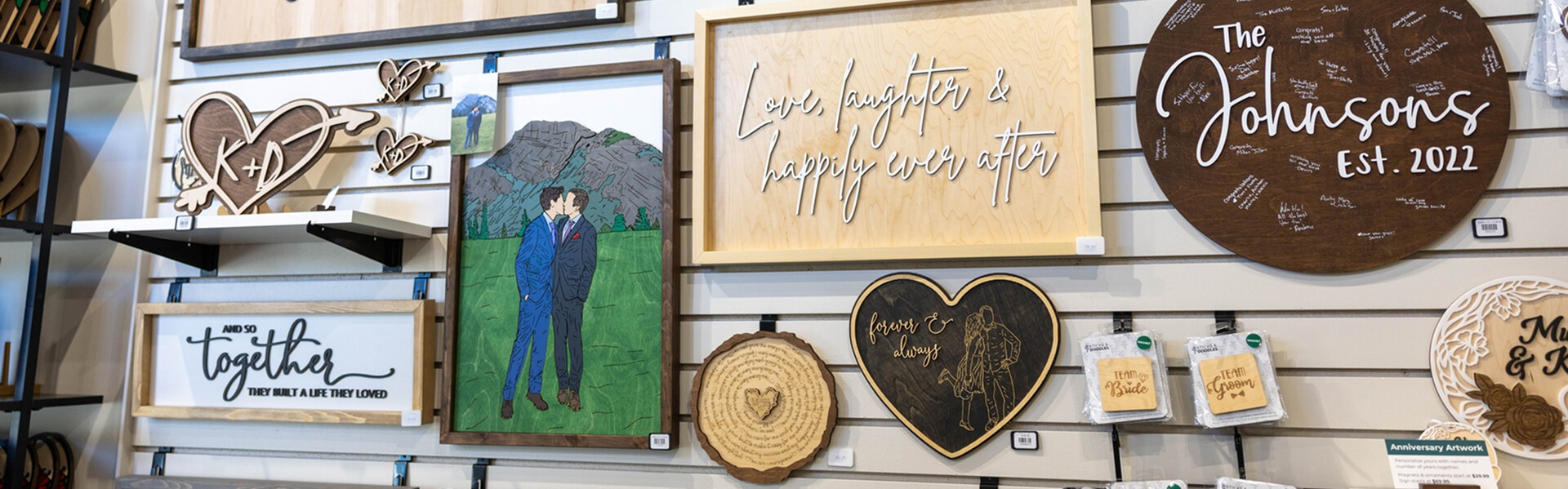
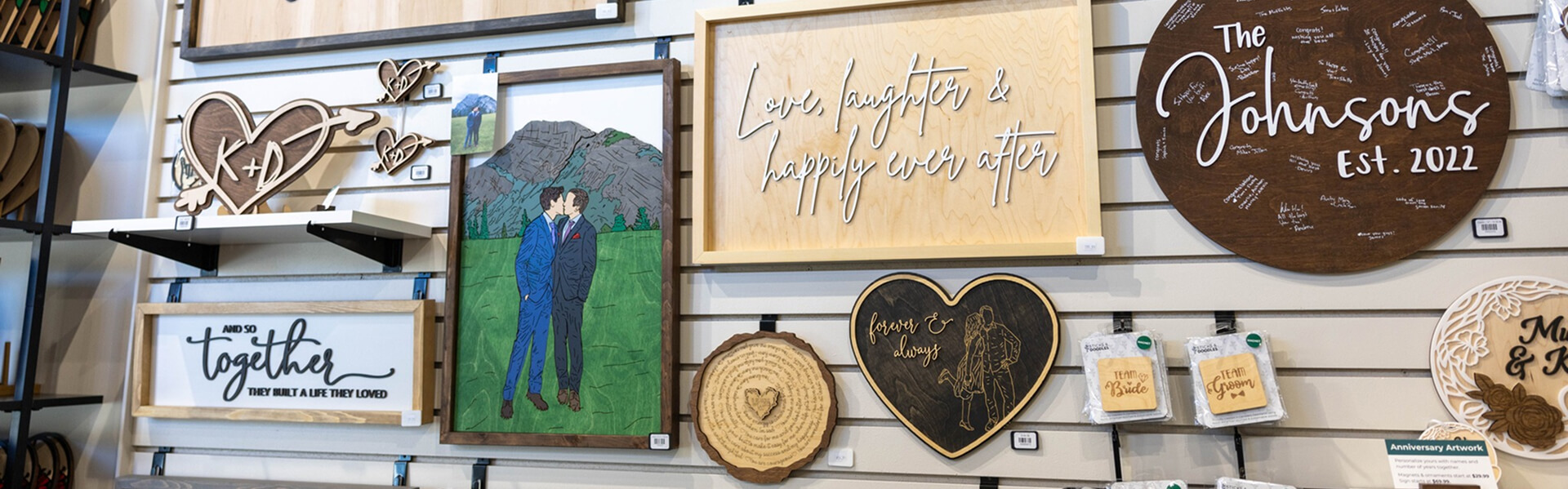
What can you make with a laser engraver and sell? Depending on the laser type and material, you can create personalized gifts, rubber stamps, drinkware, puzzles, signs, wall art, leather goods, invitations, tools, fashion products, and decorative items.
This guide introduces 15 profitable laser engraving ideas for small businesses, side-hustle owners, creative workshops, and makers in 2026. Each project includes common materials, typical customers, customization opportunities, and production considerations to help you identify products that fit your machine and market.
Profitability is not guaranteed by the product category alone. Material cost, machine time, design work, packaging, shipping, competition, customer demand, and production errors should all be considered before adding a new product to your business.
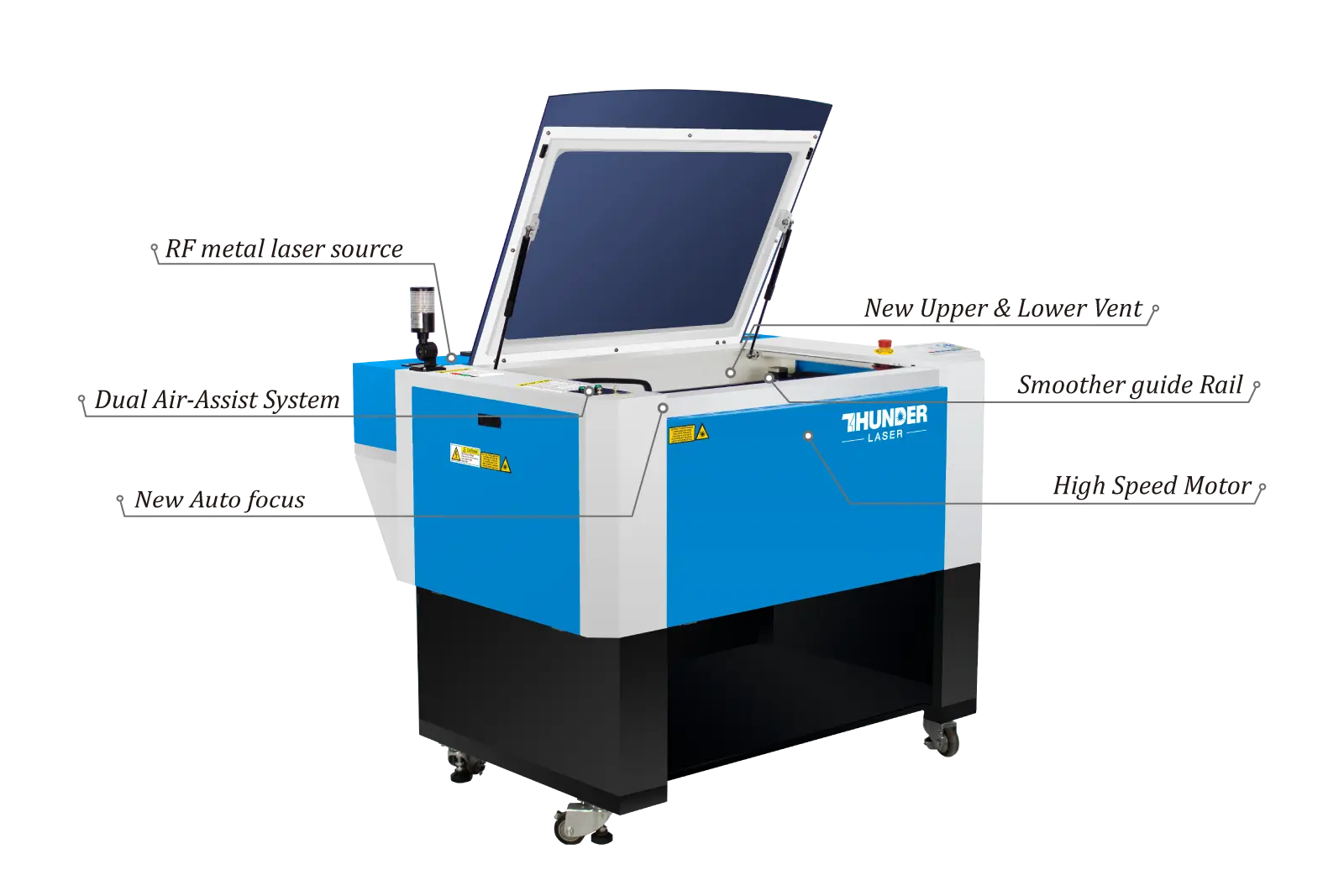
A laser engraving machine can turn compatible materials into personalized gifts, decorative products, signs, tools, and small-batch merchandise.
A laser engraver can be used to make personalized gifts, wooden puzzles, rubber stamps, engraved tumblers, acrylic ornaments, invitation cards, signs, wall art, fundraising bricks, coasters, phone cases, customized denim, musical instruments, bookmarks, and practical tools.
For small businesses and makers, the best products usually combine manageable material costs, repeatable production, useful customization, and a product size that fits the available laser machine.
Use the following comparison to identify laser engraver projects that match your materials, target customers, experience, and production workflow.
| Project | Common Materials | Laser Process | Target Customers | Key Machine Requirement | Difficulty |
|---|---|---|---|---|---|
| Wooden puzzles | Wood, plywood, laser-compatible MDF | Cutting + engraving | Parents, schools, gift buyers | Accurate cutting and fine engraving | Medium |
| Custom rubber stamps | Laser-safe stamp rubber | Engraving + cutting | Offices, crafters, packaging brands | Fine detail and repeatable depth | Beginner |
| Measurement tools | Wood, acrylic, coated metal | Engraving or marking | Schools, makers, workshops | Accurate lines and readable scales | Medium |
| Cooking utensils | Wood, slate, glass, coated products | Engraving | Gift buyers, restaurants, weddings | Material compatibility and positioning | Beginner |
| Laser engraved tumblers | Coated metal, glass, compatible drinkware | Engraving or marking | Events, companies, teams | Rotary attachment | Medium |
| Acrylic ornaments | Acrylic | Cutting + engraving | Holiday buyers, events, gift shops | Clean acrylic cutting | Beginner |
| Invitation cards | Paper, cardstock, thin wood | Cutting + engraving | Weddings and event planners | Fine cutting control | Medium |
| Custom signage | Wood, acrylic, paperboard | Cutting + engraving | Businesses, events, homeowners | Suitable working area | Medium |
| Decorative wall art | Wood, cork, acrylic, paper | Cutting + engraving | Home décor buyers | Larger working area | Medium |
| Fundraising bricks | Brick and compatible pavers | Engraving | Schools, churches, nonprofits | Z clearance and stable positioning | Advanced |
| Custom coasters | Wood, cork, slate, acrylic | Engraving or cutting | Homes, cafés, gifts, weddings | Repeatable batch positioning | Beginner |
| Phone cases | Wood, leather, verified compatible plastics | Engraving or marking | Consumers, gift shops, brands | Fine detail and fixture support | Medium |
| Denim and clothing | Denim, fabric, leather patches | Engraving | Fashion brands and event sellers | Controlled heat input | Medium |
| Musical instruments | Wood and verified finished surfaces | Engraving | Musicians and instrument makers | Precise positioning | Advanced |
| Custom bookmarks | Wood, leather, acrylic, paper | Cutting + engraving | Readers, schools, stationery stores | Fine cutting and batch production | Beginner |
A comparison table of 15 laser engraver projects for small businesses, makers, and creative workshops.
A good laser engraving product should offer more than an attractive design. It should also be practical to produce, easy to customize, suitable for your target market, and repeatable without excessive setup time.
Before deciding what to make with a laser engraver, evaluate the following factors.
Names, logos, dates, monograms, photos, quotes, coordinates, and custom artwork can increase the perceived value of an ordinary product.
Products with clear personalization options are often easier to differentiate from mass-produced alternatives.
Choose materials that are consistently available and clearly identified.
Confirm that every material is suitable for your laser source. Do not process materials with unknown coatings, additives, adhesives, or chemical compositions. For broader planning, review the Thunder Laser material compatibility guide before testing new products.
Products that use reusable templates, fixtures, and standard dimensions are generally easier to produce in batches.
Repeatability also helps reduce alignment errors, design preparation time, and rejected products.
A product may have strong demand but still be difficult to scale if each unit requires a long engraving time.
Compare:
Make sure the product fits the working area and available Z clearance of the laser machine.
For cylindrical products such as tumblers, confirm that the machine supports a suitable rotary attachment and has enough internal clearance.
Small, lightweight, durable products are generally easier and less expensive to ship.
Large signs, glass items, bricks, instruments, and fragile products require more protective packaging and may have a higher risk of damage.
Match each product with a specific buyer group.
Potential customers include:
Do not assume that a popular online product will automatically sell in your market.
Review local demand, online marketplace competition, seasonal trends, customer reviews, and existing prices before committing to large material orders.
Practical tip: Start with three to five products, calculate the real production cost, test customer demand, and refine your workflow before expanding into more product categories.
Wooden puzzles combine entertainment, personalization, and precision manufacturing. A laser engraving machine can cut individual pieces while adding names, illustrations, maps, patterns, numbers, or educational content to the surface.
Popular wooden puzzle products include:
Wooden puzzles can serve parents, schools, teachers, educational stores, gift buyers, and home décor customers.
Personalization gives this category additional value. A standard puzzle can be adapted with a child’s name, a family photo, a city map, a wedding date, or branded artwork.

Laser Engraved Wooden Puzzle

Custom Wooden Puzzle
Custom rubber stamps are practical products for offices, schools, craft makers, packaging companies, small brands, and personal stationery customers.
Laser engraving can create detailed stamp surfaces for:
Because rubber stamps are generally small and repeatable, multiple designs can often be arranged in one production batch.
Only use laser-safe stamp rubber. Do not engrave unidentified rubber materials.
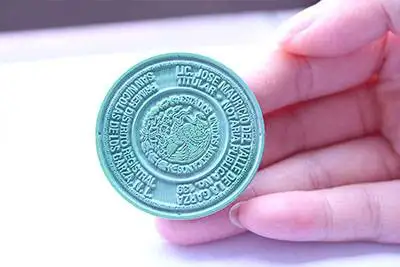
Custom Rubber Stamp
Laser engraving can improve the readability, branding, and appearance of measurement tools.
Possible products include:
Measurement tools can serve schools, workshops, engineering users, hobby makers, sewing businesses, woodworking shops, and brands that need customized tools.
A CO₂ laser can engrave wood, acrylic, and selected coated surfaces. Bare-metal marking typically requires a suitable metal laser source such as a fiber or MOPA laser marker.
Cooking utensils are popular laser engraving products because they are useful, giftable, and available in many shapes and materials.
Possible products include:
Popular customization includes names, family recipes, wedding dates, restaurant logos, housewarming messages, decorative patterns, ingredient guides, coordinates, and monograms.
For products that contact food, confirm that the base material, coating, cleaning method, and finishing process are appropriate for the intended use.
Tumblers are popular personalized drinkware products for events, companies, wedding parties, sports teams, schools, travel brands, and gift businesses.
A rotary attachment allows a compatible laser machine to rotate cylindrical products while maintaining the correct engraving position.
Common designs include customer names, company logos, team graphics, event dates, wedding party roles, quotes, monograms, full-wrap artwork, travel themes, and school branding.
A CO₂ laser can remove or alter selected coatings and engrave compatible glass. Direct marking of bare metal generally requires a suitable fiber or MOPA laser.
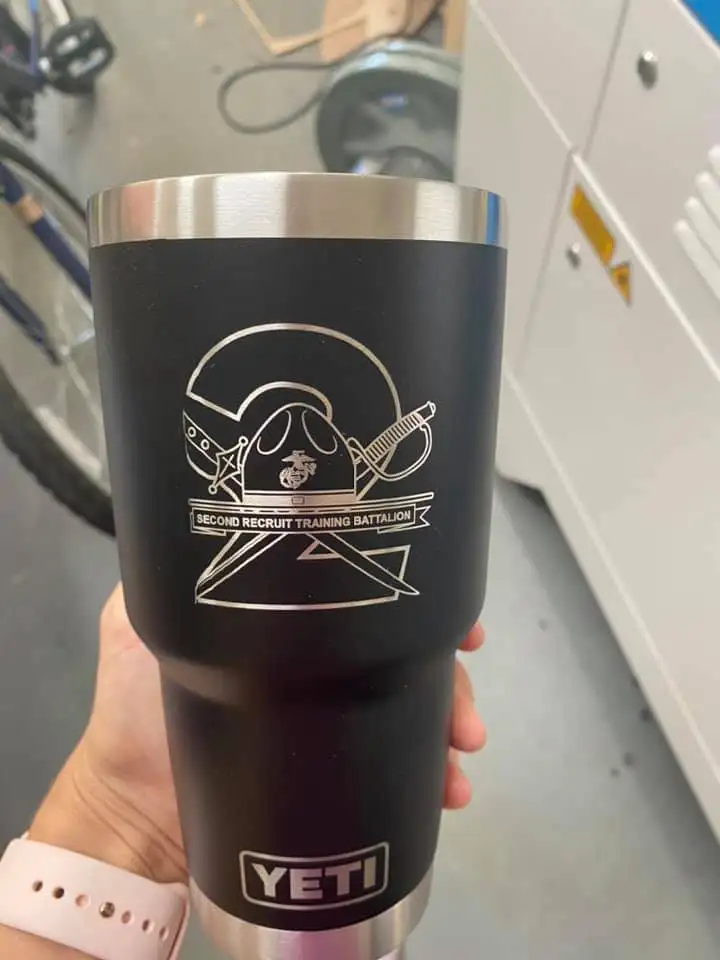
Laser Engraved Tumbler
Acrylic ornaments are lightweight decorative products that can be cut and engraved into letters, names, shapes, logos, layered decorations, and illuminated designs.
Popular acrylic ornament ideas include Christmas ornaments, personalized name ornaments, wedding decorations, pet ornaments, memorial ornaments, animal designs, nature designs, LED edge-lit decorations, event tags, and brand displays.
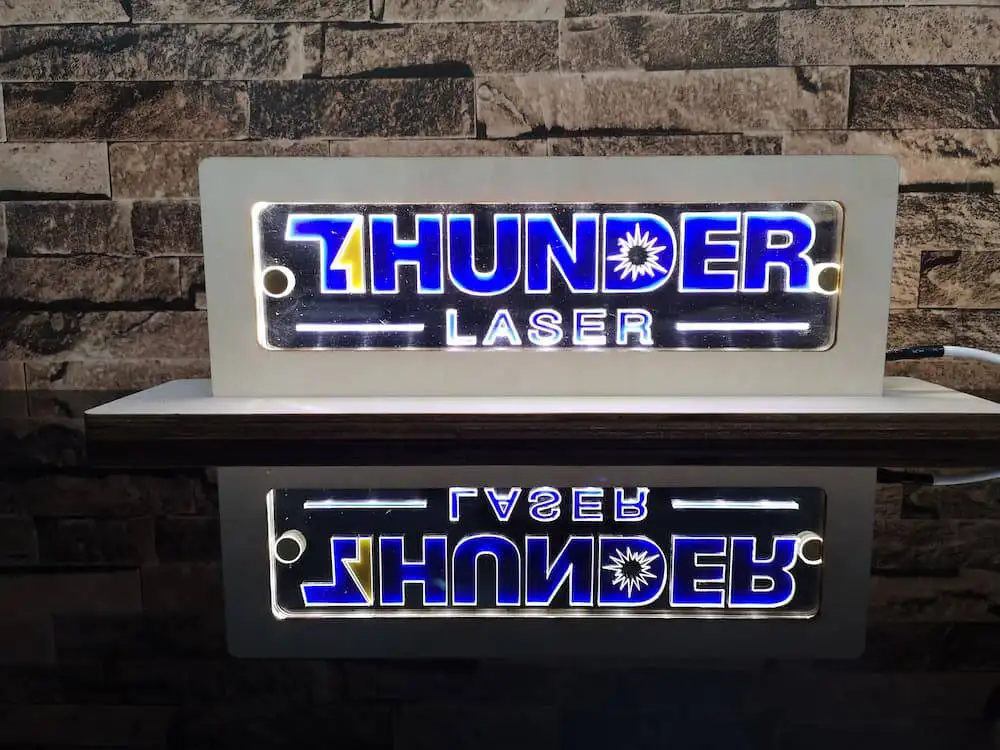
Acrylic Ornament and Logo
Laser-cut invitation cards are commonly used for weddings, birthdays, anniversaries, corporate events, celebrations, and luxury stationery.
A laser can create lace-like patterns, fine borders, layered paper designs, monograms, floral cutouts, geometric patterns, names, event dates, custom envelopes, and decorative sleeves.
The paper or cardstock should be verified before laser processing because coatings, pigments, laminates, and additives can vary.

Laser Cut Paper Invitation Card
Custom signage is used for branding, advertising, navigation, events, offices, retail spaces, weddings, exhibitions, and home decoration.
Possible products include storefront signs, lobby signs, wedding signs, directional signs, table signs, door signs, wall names, event displays, trade show signage, company logos, layered acrylic signs, and decorative screens.
Outdoor signs require materials, adhesives, paints, and finishing methods suitable for the intended environment. For more application context, review the signage and display application page.
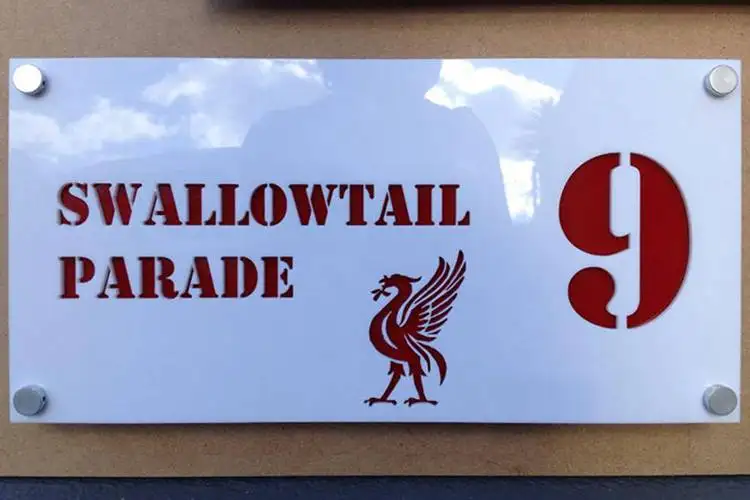
Laser Cut Signage and Display
Laser-cut wall art combines digital design, material layering, engraving, and precision cutting.
Popular products include wooden wall panels, cork wall art, world maps, family name signs, nature scenes, inspirational quotes, mandalas, geometric artwork, clocks, layered landscapes, abstract patterns, and decorative room panels.
Bare metal cannot be cut by the RF CO₂ machines recommended later in this article. Metal wall art requires equipment designed for the specific metal and thickness.
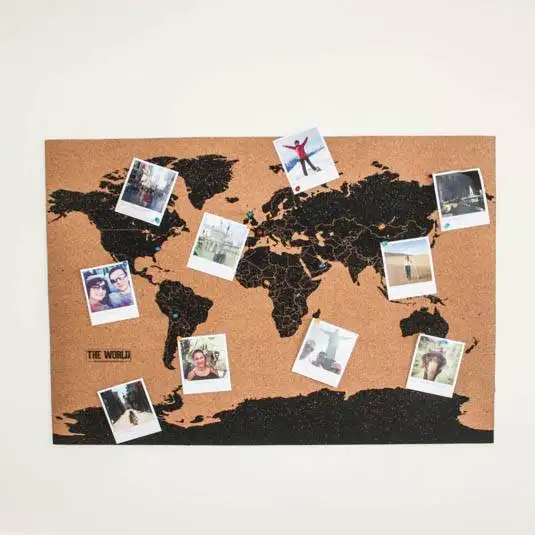
Laser Cut Wall Art
Fundraising bricks are commonly used by schools, churches, parks, nonprofit organizations, universities, memorial projects, community campaigns, and public spaces.
They may include donor names, dedication messages, memorial text, dates, school names, logos, family names, short quotations, and recognition text.
Material composition and firing conditions can cause different brick batches to engrave differently. For related material guidance, review the Laser Engraved Bricks: Benefits, Applications, and Machine Guide.
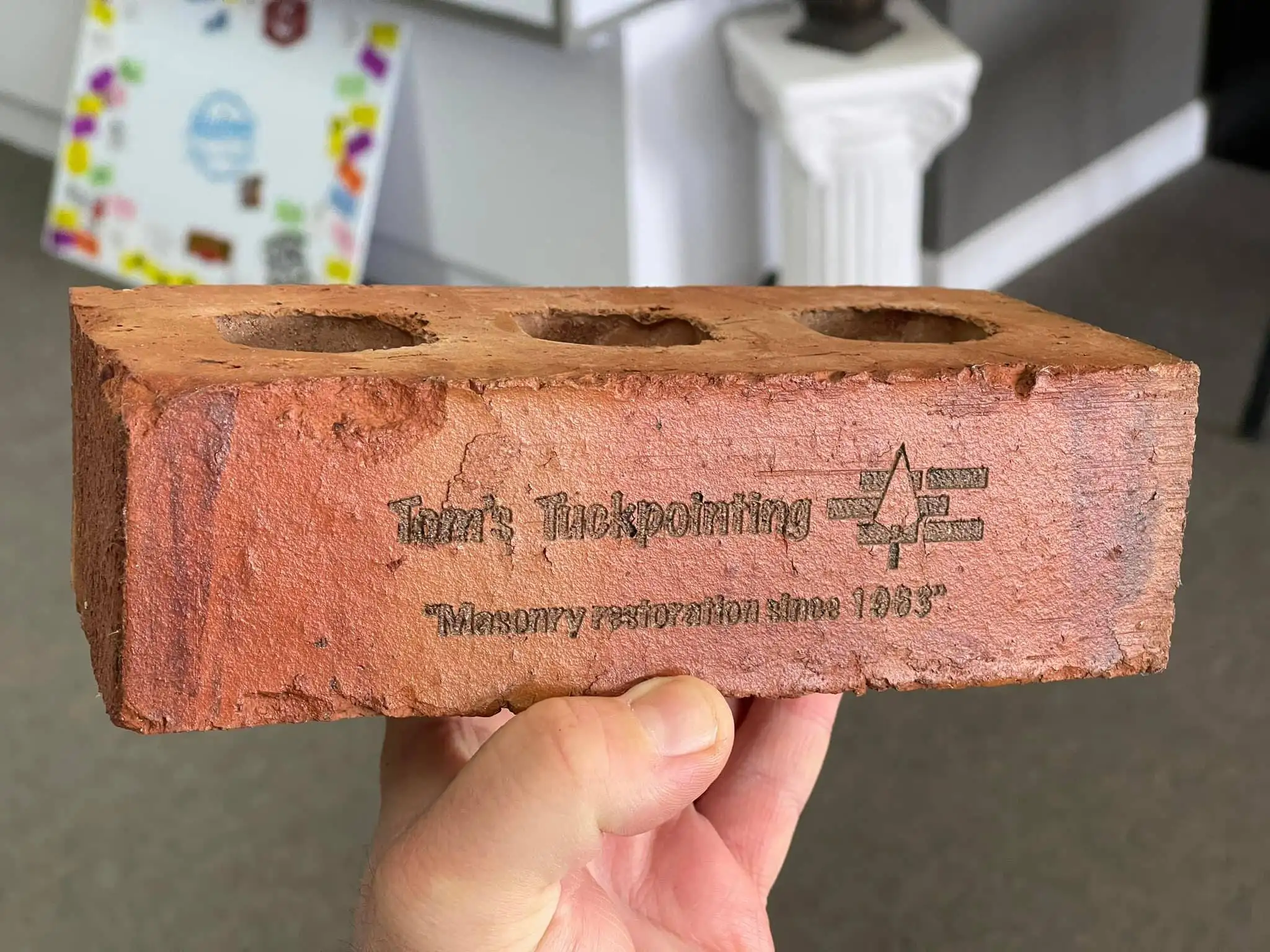
Laser Engraved Fundraising Brick
Coasters are practical products that protect surfaces while offering many customization opportunities.
Possible designs include monograms, family names, maps, quotes, company logos, wedding dates, seasonal artwork, restaurant branding, geometric patterns, photo engravings, coordinates, and custom sets.
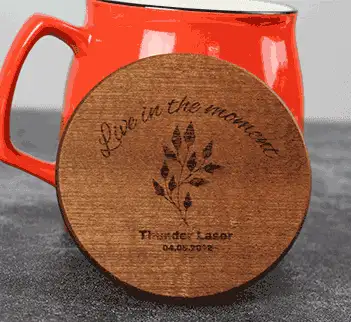
Laser Engraved Solid Wood Coaster
Laser-engraved phone cases combine protection, personalization, and decorative design.
Possible customizations include names, initials, logos, patterns, illustrations, photos, quotes, textures, coordinates, and brand artwork.
Related products include tablet covers, laptop sleeves, watch bands, charging docks, wooden technology accessories, and leather device covers.
Do not engrave phone cases made from unknown plastics. Products containing PVC, vinyl, or unidentified polymers should not be laser processed.
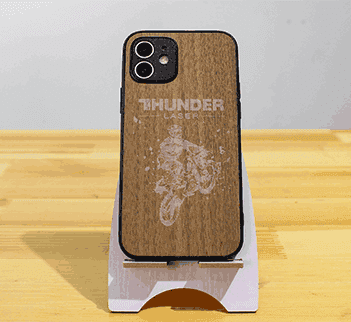
Laser Engraved Phone Case
Laser etching can create patterns, logos, distressed effects, gradients, artwork, and decorative textures on denim.
Possible products include customized jeans, denim jackets, denim bags, branded uniforms, fashion patches, personalized event apparel, artist collaborations, limited-edition clothing, and custom fabric panels.
Different dyes, washes, finishes, stretch fibers, and fabric blends can produce different results. Review the fabric laser material page when planning textile products.
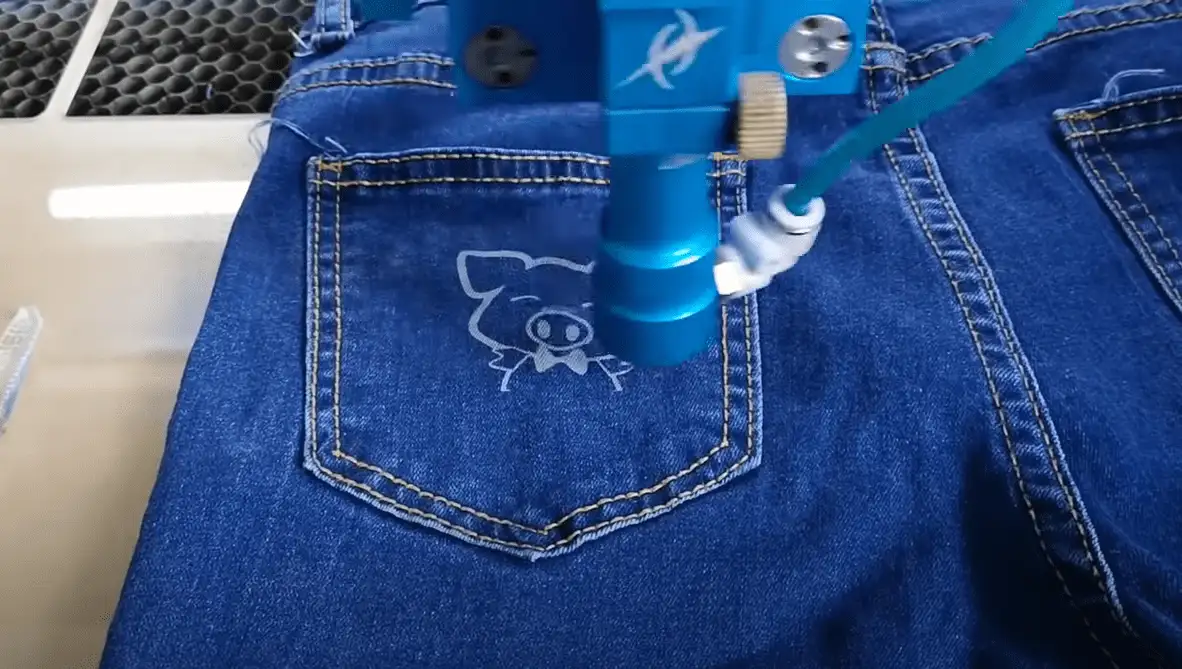
Laser Etched Jeans
Musical instruments are personal products, and custom artwork can help musicians express their identity.
Possible guitar customizations include names, band logos, decorative patterns, illustrations, serial information, memorial artwork, signature designs, custom pickguards, backplate graphics, and branded instrument components.
Similar ideas can be used for drum shells, instrument cases, wooden accessories, music stands, microphone accessories, practice tools, and personalized musician gifts.
Do not assume an existing instrument coating is laser-safe. Test the exact finish or work with an unfinished or replaceable component where possible.
Laser-engraved bookmarks are thin, lightweight products that can be personalized for readers, students, schools, libraries, book clubs, events, and stationery businesses.
Possible designs include quotes, names, book club logos, school names, character designs, floral patterns, reading trackers, event branding, inspirational messages, and custom artwork.
These 15 products are only a starting point.
Explore the Thunder Laser Inspiration Library for more laser engraving, cutting, and marking projects across wood, acrylic, leather, metal, stone, glass, paper, fabric, rubber, and other materials.
Many projects include step-by-step instructions, tested starting settings, finished samples, and downloadable design files to help you move from an idea to a completed product.
The best laser engraving machine depends on the materials you plan to process, the size of your products, the required detail, your production volume, and whether your projects require engraving, cutting, rotary processing, or a combination of these functions.
For many of the wood, acrylic, leather, rubber, paper, fabric, glass, slate, and coated-material projects in this guide, the Bolt Plus 24 and Bolt Pro 36 provide two practical RF CO₂ options for makers and small businesses.
These two machines are primarily recommended for compatible non-metal materials and selected coated surfaces. Direct engraving or marking on bare metal normally requires a suitable metal laser source and is outside the main scope of these two recommendations.
The Bolt Plus 24 is a practical choice for makers, startup businesses, and growing workshops that need professional RF CO₂ engraving performance in a relatively compact format.
It features:
The 610 × 407 mm working area can accommodate multiple small products or medium-sized items such as rubber stamps, coasters, wooden puzzles, leather goods, acrylic ornaments, invitation cards, tumblers, bookmarks, kitchen products, and medium signs.
The RF CO₂ laser source is well suited to fine engraving, while the dual-air-assist system allows engraving and cutting airflow to be managed for different processes.
Choose the Bolt Plus 24 when:
The Bolt Pro 36 is better suited to established businesses, professional makers, and workshops that need a larger work area, additional RF power, and more batch-production capacity.
It features:
The larger working area makes it easier to process larger custom signs, wall art, multiple coasters, batch rubber stamps, large wooden puzzles, instrument components, leather panels, invitation-card batches, oversized decorative products, and multiple products in one layout.
Choose the Bolt Pro 36 when:
| Feature | Bolt Plus 24 | Bolt Pro 36 |
|---|---|---|
| Best For | Small businesses and growing studios | Professional workshops and batch production |
| Laser Source | RF CO₂ | RF CO₂ |
| Power | 60W | Up to 80W |
| Working Area | 610 × 407 mm | 915 × 610 mm |
| Maximum Engraving Speed | Up to 2,000 mm/s | Up to 2,000 mm/s |
| Typical Projects | Gifts, stamps, coasters, leather goods, ornaments, tumblers, medium signs | Large signs, wall art, panels, batch products, oversized projects |
| Main Advantage | Compact professional production | Larger work area and higher production capacity |
A machine comparison table for Bolt Plus 24 and Bolt Pro 36 laser engraving projects.
Important machine selection note: Neither machine is automatically suitable for every material mentioned in this article.
Before purchasing a machine or launching a new product, confirm material composition, required process, product dimensions, working area, Z clearance, rotary requirements, cutting thickness, engraving detail, production quantity, exhaust requirements, fixture requirements, and safety requirements. Material testing is the most reliable way to confirm whether a product and machine combination can produce the required result.
These 15 profitable laser engraving ideas provide a practical starting point for makers, side-hustle owners, creative studios, and small businesses exploring what to make and sell in 2026.
The best products usually combine practical use, attractive design, clear personalization, repeatable production, manageable material cost, suitable packaging, and a defined target customer.
Begin with a small group of products rather than trying to offer everything at once. Test the actual materials, calculate machine and labor time, develop reusable templates, and collect customer feedback before expanding.
The Bolt Plus 24 is a practical option for small and medium products in growing workshops. The Bolt Pro 36 provides more work area and production capacity for larger projects and batch layouts.
For additional tutorials, settings, design files, and finished project examples, explore the Thunder Laser Inspiration Library.
Ready to Turn Laser Engraving Ideas into Products?
Tell Thunder Laser what you want to make, which materials you plan to use, the dimensions of your products, and your expected production volume. Our team can help you compare the Bolt Plus 24 and Bolt Pro 36, test compatible materials, and select a machine configuration for your small business or creative workshop.
Contact Thunder LaserTalk To Our Experts Now!
Please leave your contact information so that we can serve you better.
LASER ENGRAVING IDEAS FAQS
TAKE THE NEXT STEP WITH THUNDER LASER


 Stable & Consistent MachinesUnlimited ApplicationsRobust After-sales SupportFactory Direct Supply


