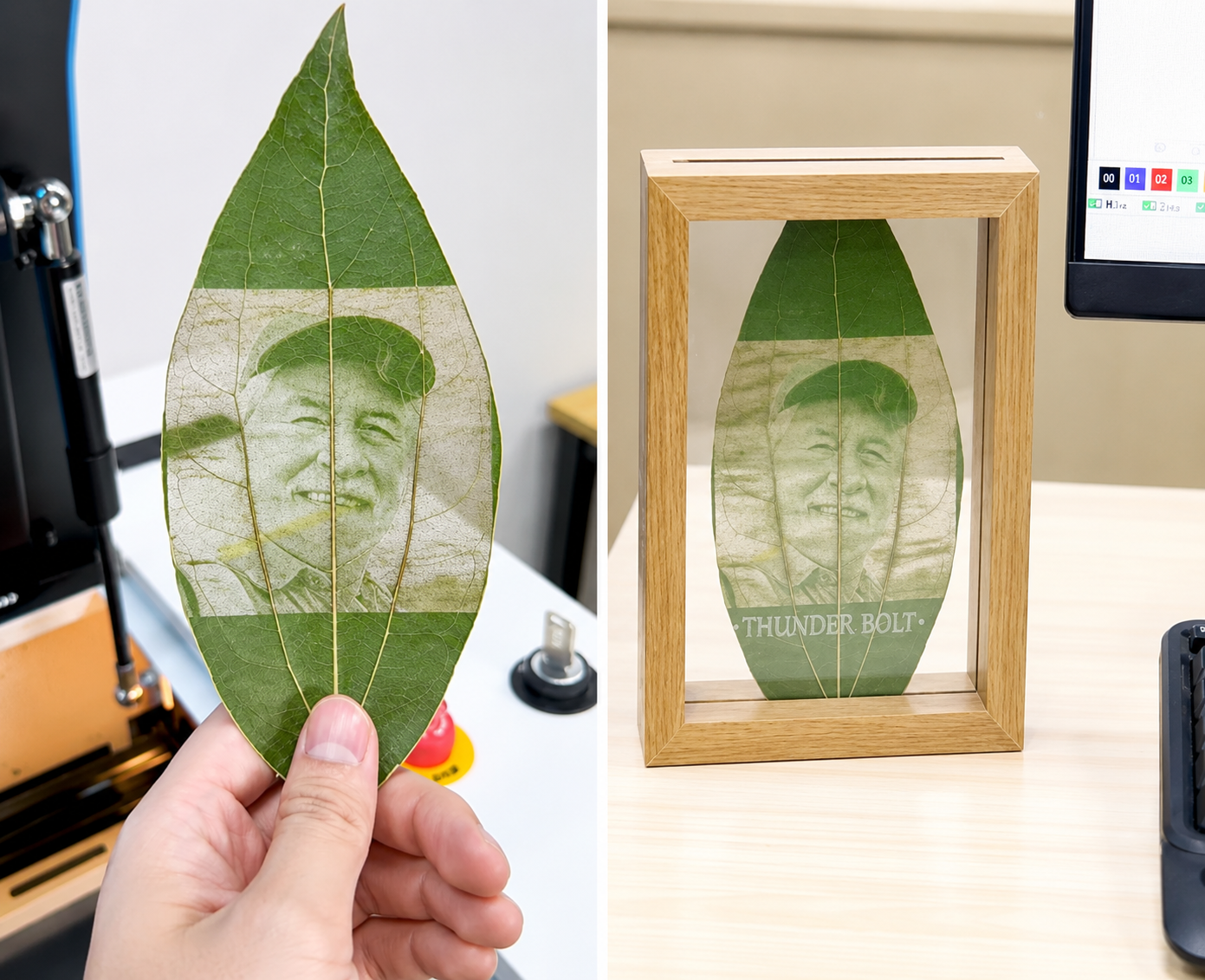
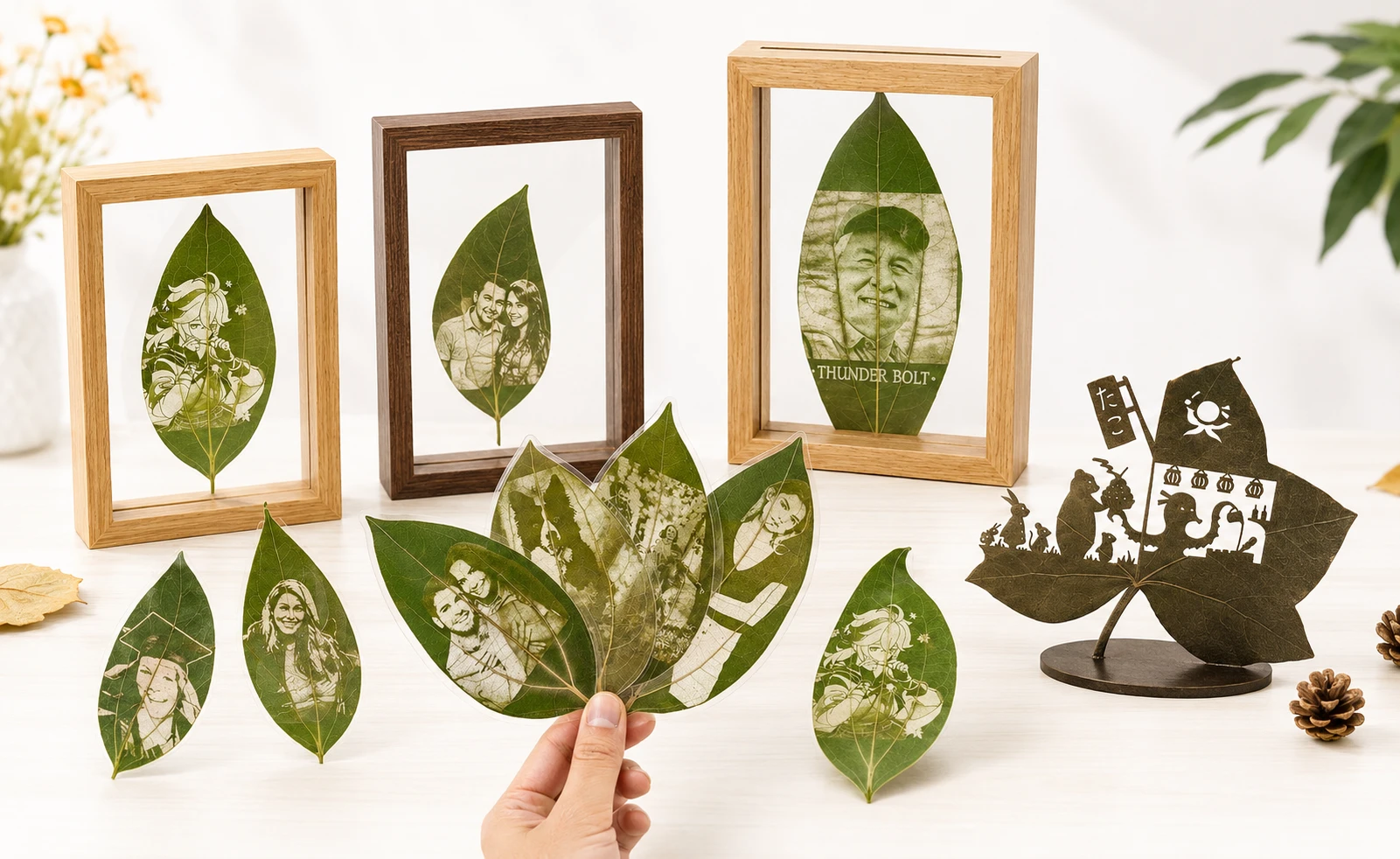
Q1: Can I laser engrave, cut, and mark leaves, fruit, and seeds?
Yes. Compatible leaves, fruit peels, seeds, nuts, pits, shells, and other natural materials can be laser engraved, lightly cut, or surface marked depending on their thickness, moisture, hardness, texture, and biological condition.
CO₂ lasers are the primary choice for most leaf engraving, botanical cutting, hard-shell engraving, and selected direct fruit marking applications. Always test the actual material because natural products can vary significantly even within the same species.
Q2: What leaves, fruit, seeds, nuts, and shells are best for laser processing?
Thicker and structurally stable leaves such as magnolia, oak, maple, eucalyptus, and rubber plant leaves are good starting choices for engraving. Dried citrus, apple slices, gourds, lotus pods, and other dry botanicals can also support decorative laser work.
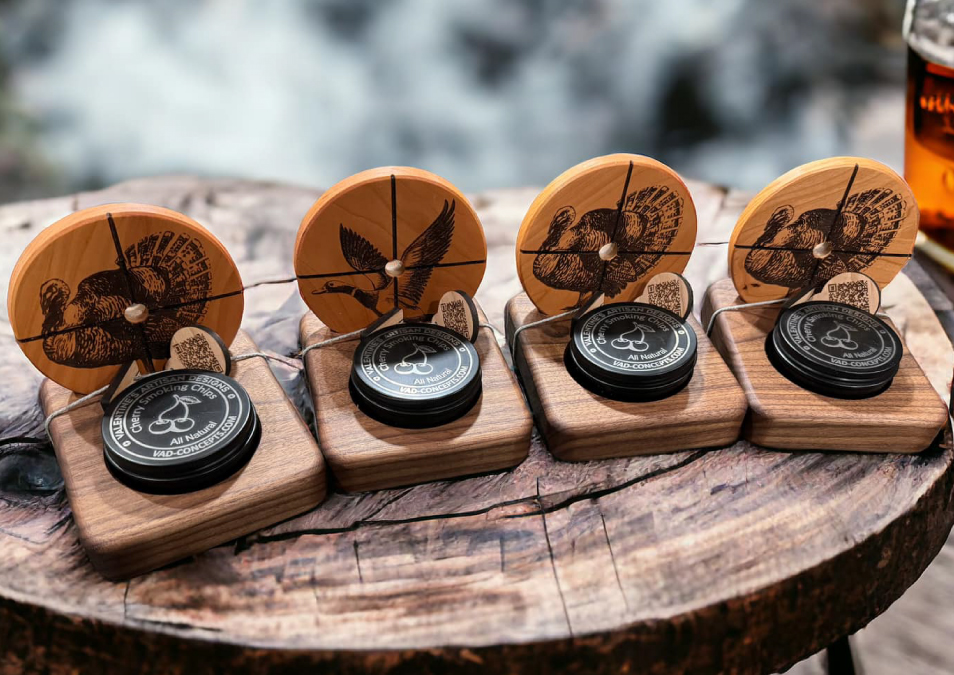
Hard natural surfaces such as coffee beans, acorns, olive pits, tagua nuts, and coconut shells can be engraved or personalized. Selected fresh produce such as apples, citrus, avocados, and sweet potatoes may be suitable for carefully controlled natural branding. Moisture, surface hardness, thickness, and intended use should always be considered.
Q3: What is the best laser settings for leaves, fruit, and seeds?
The best settings depend on moisture, thickness, surface texture, hardness, color, laser power, focus, and the desired result. The following Thunder Laser leaf engraving settings can be used as starting references.
| Machine |
Material |
Process |
Speed |
Power |
DPI |
| Bolt 30W RF CO₂ |
Leaf |
Engraving |
1000 mm/s |
30% |
200 |
| Bolt 30W RF CO₂ |
Maple Leaf |
Photo Engraving |
1000 mm/s |
50% |
300 |
These values are starting references for leaf engraving only. Natural materials vary significantly in moisture, thickness, color, texture, hardness, and heat response. Fruit, seeds, nuts, pits, and shells should be tested separately rather than using leaf settings directly.
For more tested starting parameters, visit the Thunder Laser Material Settings Library. To learn how to test and fine-tune power, speed, focus, DPI, airflow, and other parameters, see our guide to finding the best laser material settings.
Q4: Which Thunder Laser machine is best for laser engraving, cutting, and marking leaves, fruit, and seeds?
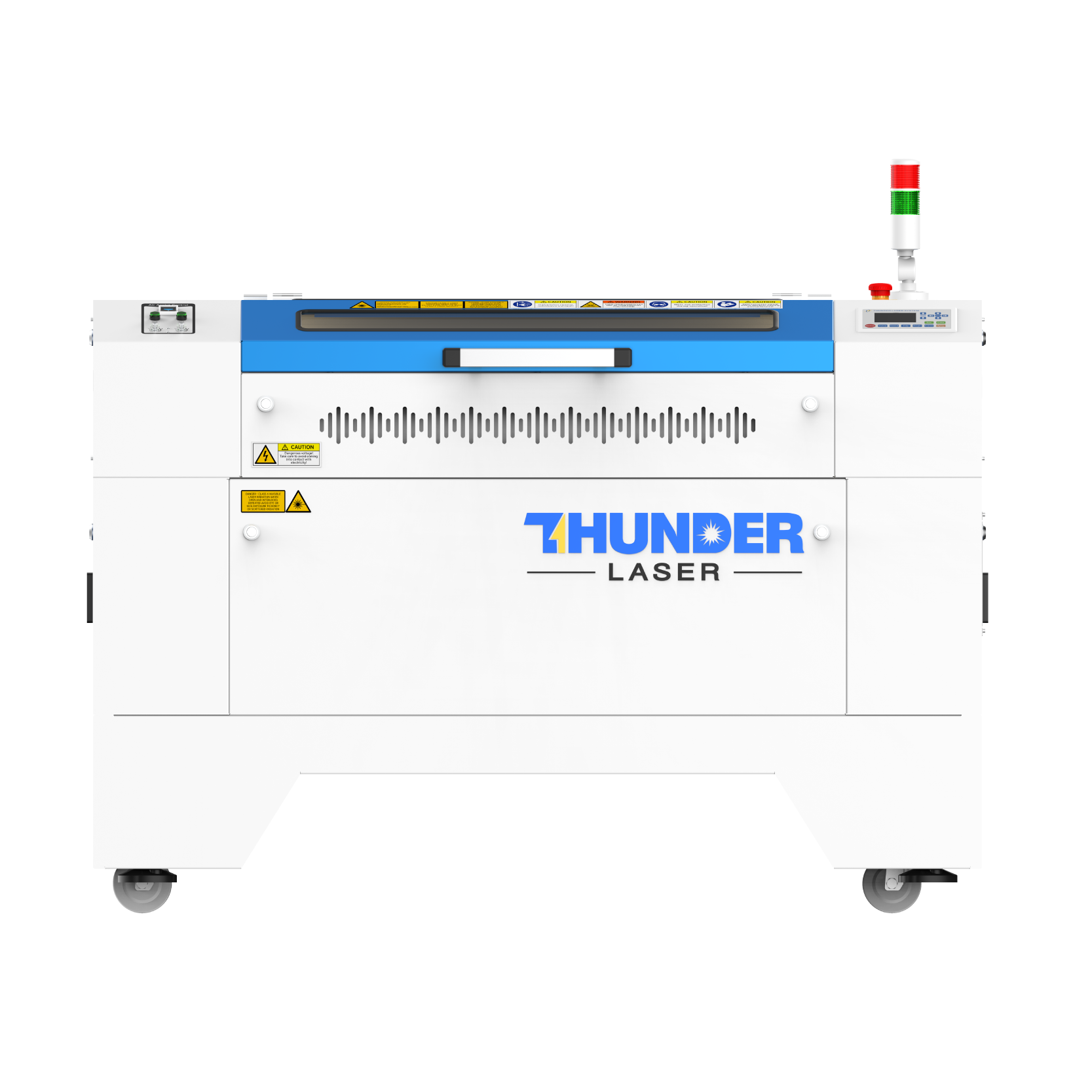
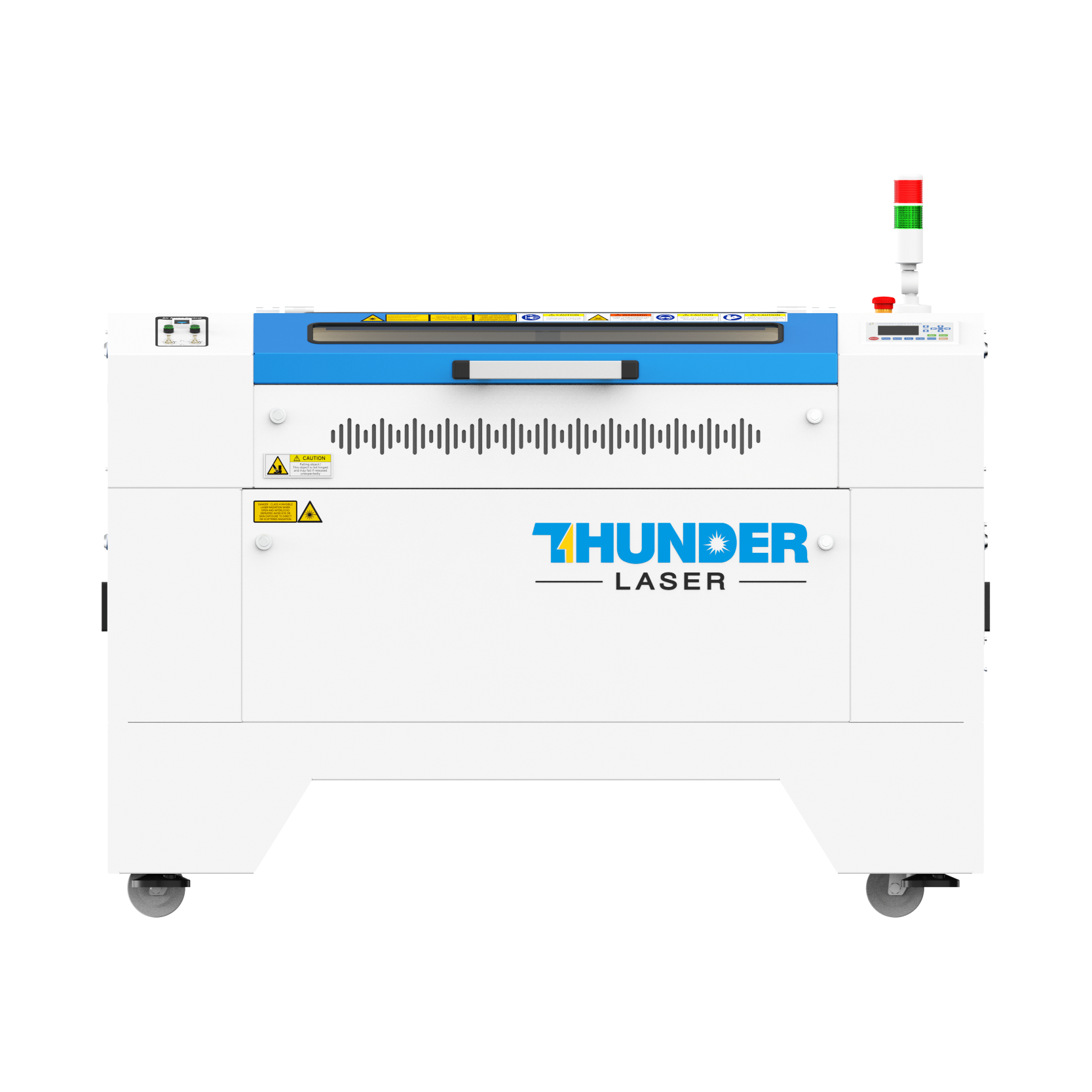
The Bolt Series is the primary choice for detailed leaf engraving, photo engraving, botanical crafts, small natural products, and careful testing of delicate organic materials. Its RF CO₂ laser is well suited to detailed work where controlled energy and fine features are important.
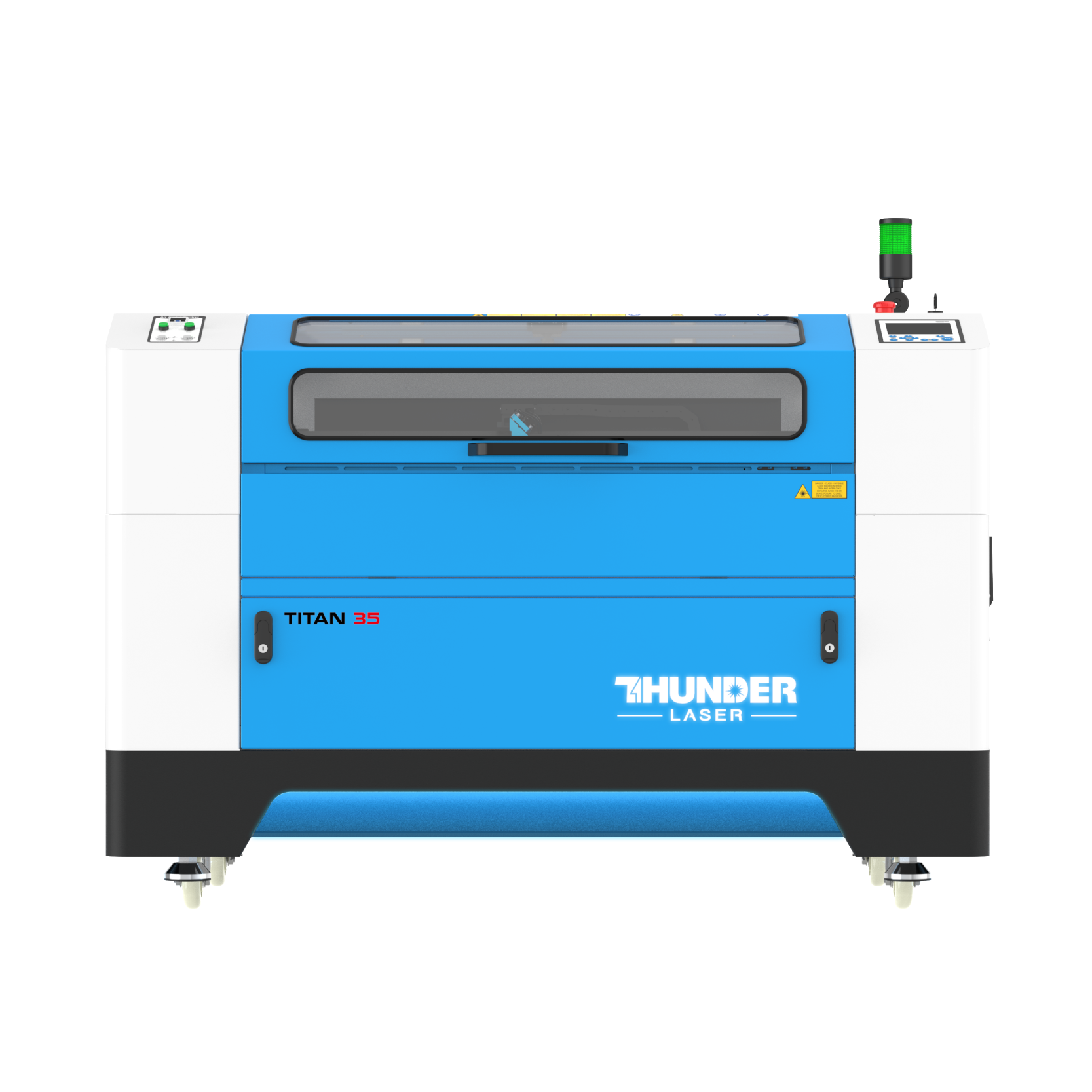
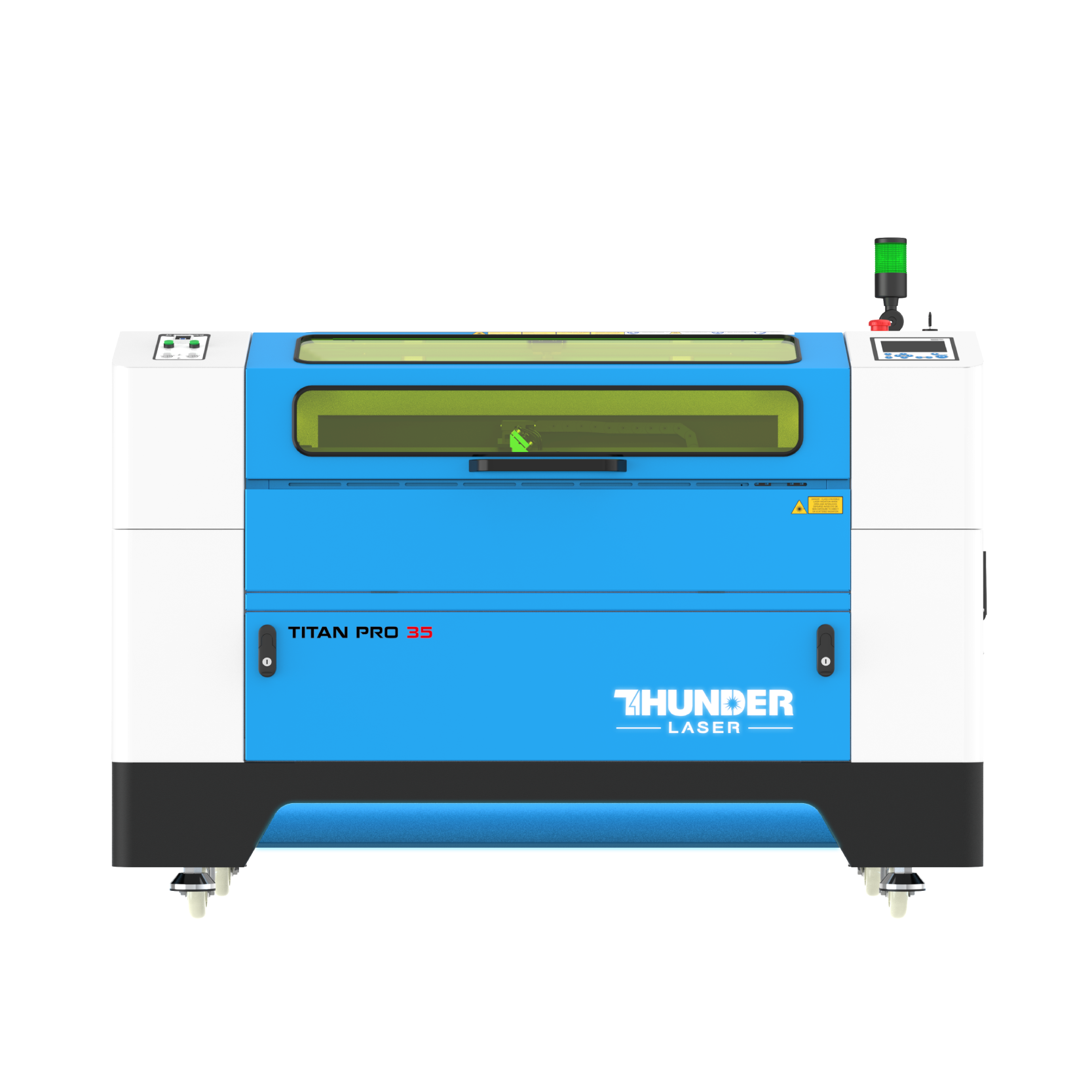
Nova and Nova Plus provide larger working areas for batch leaf projects, botanical materials, decorative products, and higher-volume CO₂ engraving. Titan is suitable for larger-format natural-material processing when more working area is required.
For leaves, fruit, seeds, nuts, and shells, CO₂ lasers are generally the main choice. Machine selection should be based on material condition, project size, required detail, production volume, and whether the application involves engraving, light cutting, or surface marking.
Q5: Fresh leaves and dried leaves, which is better for laser engraving?
Neither is universally better. Dried leaves are often easier to store, flatten, and use for decorative projects, but very dry leaves can become brittle and burn more easily. Fresh leaves usually contain more moisture, which changes how they absorb heat and can affect engraving contrast.
For detailed engraving, choose leaves that are relatively flat, structurally stable, and free from major damage. Test the actual moisture level and leaf type before processing the final artwork.
Q6: How to prepare leaves for laser engraving?
Choose a clean, intact leaf with a reasonably flat surface. Remove dirt or moisture from the surface, then flatten the leaf when necessary and secure it so it cannot curl or move during engraving.
Set the correct focus and run a small test before processing detailed artwork or photographs. Leaf thickness, moisture, veins, and surface texture can all change the final contrast and engraving quality.
Q7: How to prevent leaves from curling, burning, or breaking during laser engraving?
Use controlled power and relatively fast engraving rather than applying excessive heat. Too much energy, slow speed, repeated passes, or poor focus can cause burning, curling, brittle edges, or damage to fine leaf veins.
Keep the leaf flat and stable, use suitable airflow and effective extraction, and test settings on a similar leaf first. Thin or brittle leaves generally require lighter processing than thick, leathery leaves.
Q8: Can I laser engrave photos on leaves?
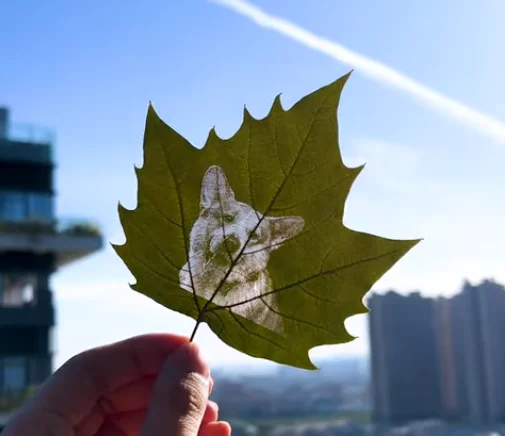
Yes. Suitable leaves can reproduce portraits, pet photos, grayscale artwork, illustrations, and detailed graphics through laser engraving.
Image preparation, dithering, DPI, leaf color, moisture, surface texture, veins, flatness, focus, speed, and power all influence the final detail. Thicker and more stable leaves generally provide more room for tonal variation than very thin or fragile leaves.
Q9: How to preserve a laser-engraved leaf?
Allow the engraved leaf to cool completely, remove loose residue carefully, and keep it dry and protected from unnecessary bending or abrasion. Pressing the leaf flat before and after engraving can help maintain its shape.
For long-term display, store or frame the leaf away from excessive humidity, direct sunlight, and physical contact. Any coating, sealant, or preservation treatment should first be tested because it may change the leaf color or engraved contrast.
Q10: Can I laser mark fruit for natural branding?
Selected fruits and produce with suitable outer surfaces can be directly laser marked with logos, text, origin information, and other branding elements. This process is often referred to as natural branding or direct produce marking.
The laser should modify only the intended outer surface with carefully controlled energy. Peel thickness, hardness, moisture, color, surface texture, and the required mark contrast all influence the result.
Q11: What fruits are best for direct laser marking?
Produce with a relatively firm, stable outer peel is generally easier to test for direct laser marking than very soft, thin-skinned, or highly irregular fruit. Apples, citrus fruits, avocados, sweet potatoes, and similar produce are examples of materials that may support natural-branding applications.
Suitability still depends on variety, ripeness, peel moisture, surface hardness, storage conditions, laser parameters, and the intended commercial application. Test the exact produce rather than applying one setting across different varieties.
Q12: Does laser marking fruit affect taste, peel quality, or shelf life?
It can, depending on the fruit, peel structure, marking depth, laser energy, pattern coverage, and storage conditions. Laser marking changes the outer surface, and excessive energy can increase peel damage, moisture loss, discoloration, or other quality changes.
For commercial food applications, evaluate the specific fruit variety and marking process for appearance, storage stability, shelf life, and other required quality criteria before production.
Q13: Is direct laser marking on fruit safe for food applications?
Direct fruit marking should not be treated as automatically suitable for every food product or market. The process, equipment, fruit variety, marking depth, hygiene controls, and finished product may need to meet applicable food-safety, labeling, and regulatory requirements.
For commercial use, validate the process for the specific produce and intended market rather than relying on decorative engraving settings or assuming that all laser-marked fruit has the same safety and shelf-life performance.
Q14: Can I laser mark logos, PLU codes, QR codes, and traceability information on fruit?
Selected produce surfaces can be laser marked with logos, text, PLU-style identification, origin information, and other traceability content when sufficient contrast and feature definition can be achieved.
Small QR codes or other machine-readable codes require additional testing because curved surfaces, peel texture, color variation, moisture, code size, and marking contrast can affect scanner readability. Validate the finished code with the intended scanning system before production.
Q15: Laser marking and adhesive labels, which is better for produce branding?
Laser marking applies information directly to the produce surface, so it can reduce the need for a separate adhesive label and support simple logos, identification, or natural-branding applications.
Adhesive labels can carry more colors, larger graphics, variable information, and content that may not be practical to mark directly on the peel. The better choice depends on branding requirements, produce type, regulatory needs, code readability, processing speed, and desired packaging strategy.
Q16: Can I laser engrave coffee beans, olive pits, tagua nuts, and coconut shells?
Yes. Hard natural surfaces such as coffee beans, olive pits, tagua nuts, coconut shells, acorns, and similar botanical materials can be engraved with text, logos, patterns, names, and decorative designs.
Hardness, curvature, surface texture, color, moisture, and thickness affect engraving depth and contrast. Irregular or curved objects also require careful focusing and positioning, so test the actual material before processing a production batch.
Q17: How to reduce burning, smoke, and residue when laser engraving natural materials?
Use only the laser energy needed to achieve the desired result. Excessive power, slow speed, repeated passes, poor focus, and unnecessary heat accumulation can increase burning, charring, smoke, discoloration, and residue.
Use suitable airflow, effective extraction, correct focus, and a small parameter test. Natural materials vary greatly in moisture and density, so settings that work well on one leaf, fruit, nut, or shell may produce very different results on another.
Q19: CO₂ laser and fiber laser, which is better for leaves, fruit, and seeds?
A CO₂ laser is generally the better choice for leaves, fruit peels, dried botanicals, nuts, pits, shells, and similar organic materials because its wavelength is well suited to many natural materials.
Fiber lasers are primarily designed for metals and selected engineered materials and are not the standard choice for general leaf engraving, botanical cutting, or natural produce marking. Choose the laser source according to the actual material and processing goal rather than assuming all laser wavelengths behave the same way.








 Fine Details on Natural Surfaces