Bring elegance and creativity into your home with a stunning wooden vase you make yourself! In this tutorial, you’ll learn how to laser cut and assemble each piece, transforming simple wood sheets into a chic, decorative centerpiece. Ideal for beginners, this hands-on project lets you see your creation come to life, piece by piece—perfect for adding a personal touch to any space.
Verify the lens is clean or there's no problem in the laser.
Make sure the exhaust fan is working well.
Ensure the air assist is on.
Step 1: Place the Material on the Laser Bed
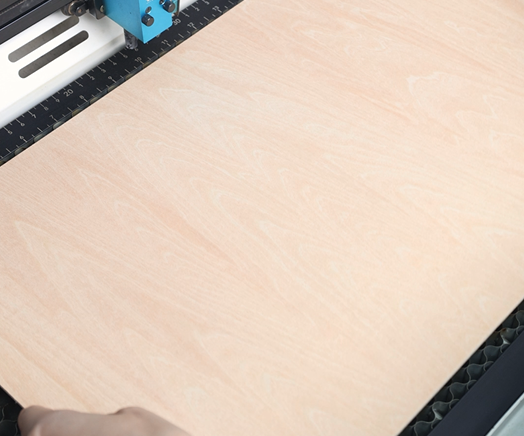
● Use a smooth wooden board suitable for laser cutting (e.g., birch or maple, 3 mm thick).
● Place the wood flat on your laser cutter bed. Ensure the surface is clean and free of dust or oils. Fingerprints can sometimes burn slightly during engraving, leaving dark marks.
Tips: Use pins to prevent any shifting during cutting.
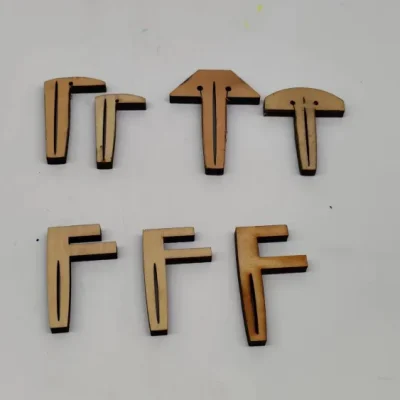
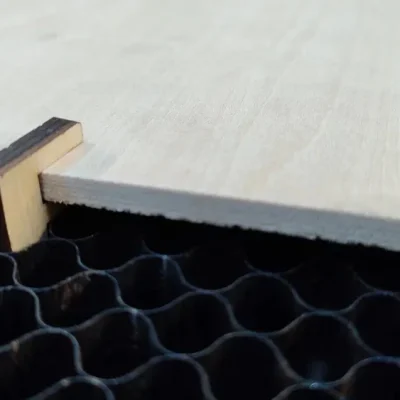
There are three common types of pins: T-shaped, L-shaped, and F-shaped. A special use for F-shaped pins is clamping up the plywood to prevent burn marks. Be mindful of the height of the magnets and pins. If they are too tall, the sensor might hit them and become damaged during processing.
3 common types of pins
F-shaped pin usage
Step 2: Open the File and Check the Settings
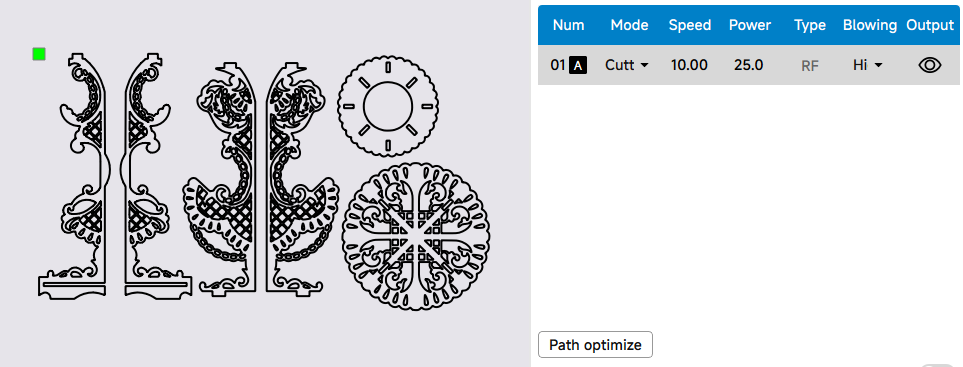
Open your laser software(I use LaserMaker) and import the design file into your laser software. Adjust the layout so it fits properly within your material size. Before moving on, double-check your and cutting parameters to match the thickness and type of wood you’re using.
Tip: Make sure the bed size of the holder matches your desired tea light candle. Most standard tea lights are 38 mm in diameter.
Step 3: Focus Your Laser Machine
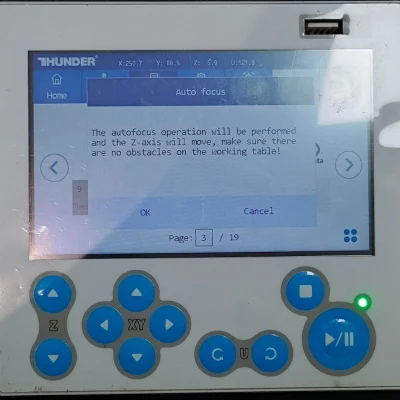
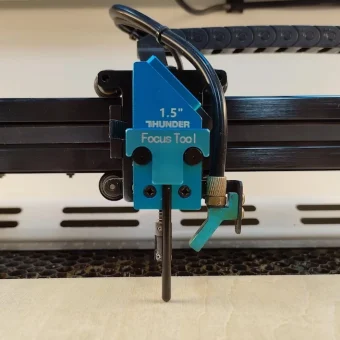
Proper focusing ensures neat, polished edges. If your machine has auto focus, use it for quick setup. For manual focusing, lower the laser head with the focus stick until it touches the wood surface at a perfect angle. Always double-check before cutting.
Auto focus
Manual focus
Step 4: Frame the Design and Start Laser Cutting
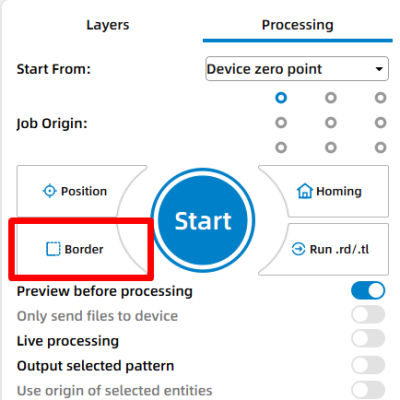
Then click “Frame” or “Border” to preview your cutting area and make sure the design fits nicely on your board. This confirms your material placement and avoids wasting wood. Adjust as necessary. Once everything is set, start the laser job.
Step 5: Monitor the Laser Cutting Process
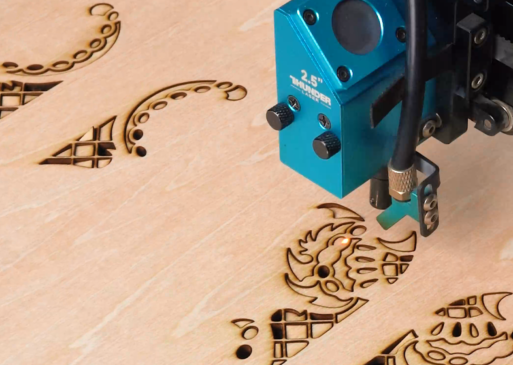
Stay close to the machine while it’s running and watch the cutting and engraving progress. Keep an eye out for excessive smoke, small flame-ups, or any movement of the material that could affect the outcome. Make sure your workspace is well-ventilated, and rely on air assist if available to achieve cleaner edges on the wood.
Step 6: Assemble the Wooden Vase
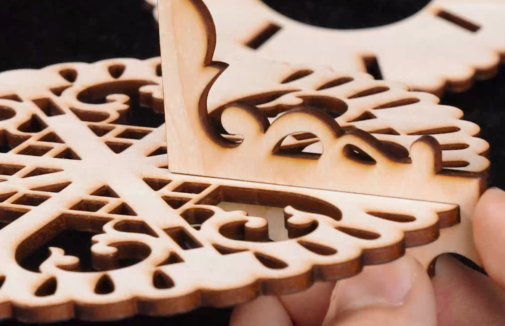
Once all pieces are cut, carefully remove them from the laser bed. Align the interlocking tabs and slots. The design fits snugly without glue, but for your safety, use glue to secure the joints firmly and avoid any accidents.
Tip: Gently sand any rough edges if necessary to make assembly smoother.
Step 7: Complete the Task
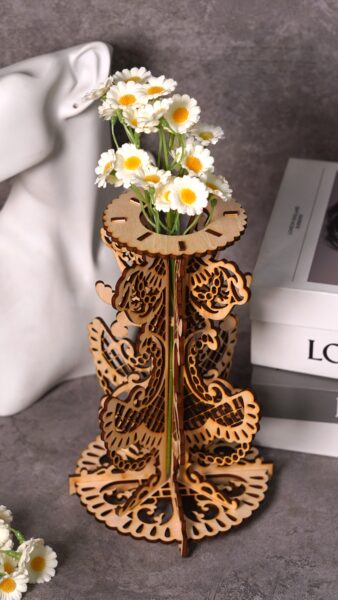
Inspect the vase for any rough edges. You can lightly sand if necessary. Optionally, apply a clear wood finish or oil to enhance color and protect the wood. Your vase is now ready to display fresh flowers, dried arrangements, or as a standalone decorative piece.
Come and Try!
Turn plain wood sheets into a stunning centerpiece with your own hands! Invite family or friends to join in—the assembly is fun, satisfying, and the finished vase adds a warm, personal touch to any room.

.png "laser cutter Globle") International
International
 United States
 Brasil
 Canada
 Costa Rica
 Mexico
 Česká
Česká
 Romania
 Polska
 Ireland
 Italia
 Lietuva
 Россия
 Deutschland
 Britain
 Україна
 France
 Sverige
 Norway
 Denmark
 Ελλάδα
 Portugal
 한국
한국
 中国
中国
 中国香港
中国香港
 Israel
 中國臺灣
中國臺灣
 ジャパン
ジャパン India
India
 پاکستان
 پශ්රී ලංකා
 ประเทศไทย
 Australia
 New Zealand
 South Africa